Last updated November 23, 2026
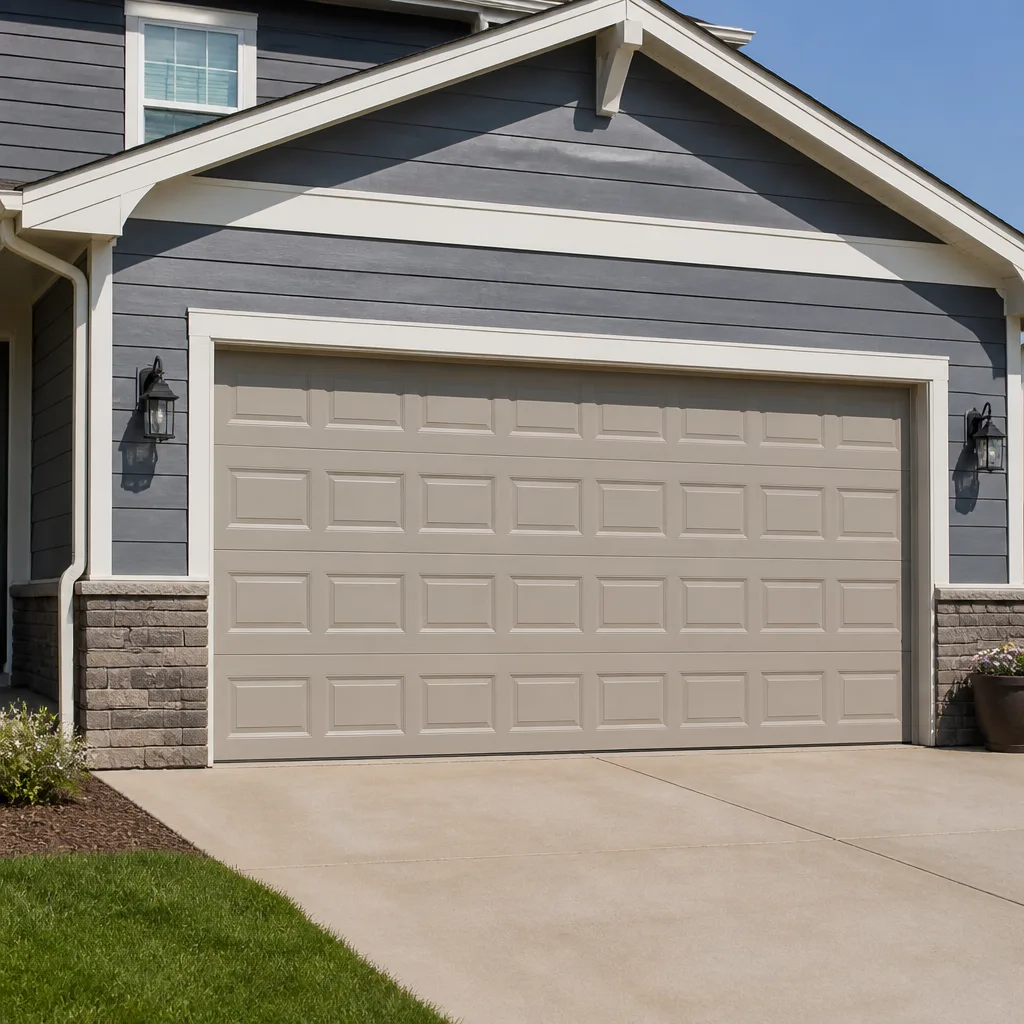 Raised-panel steel
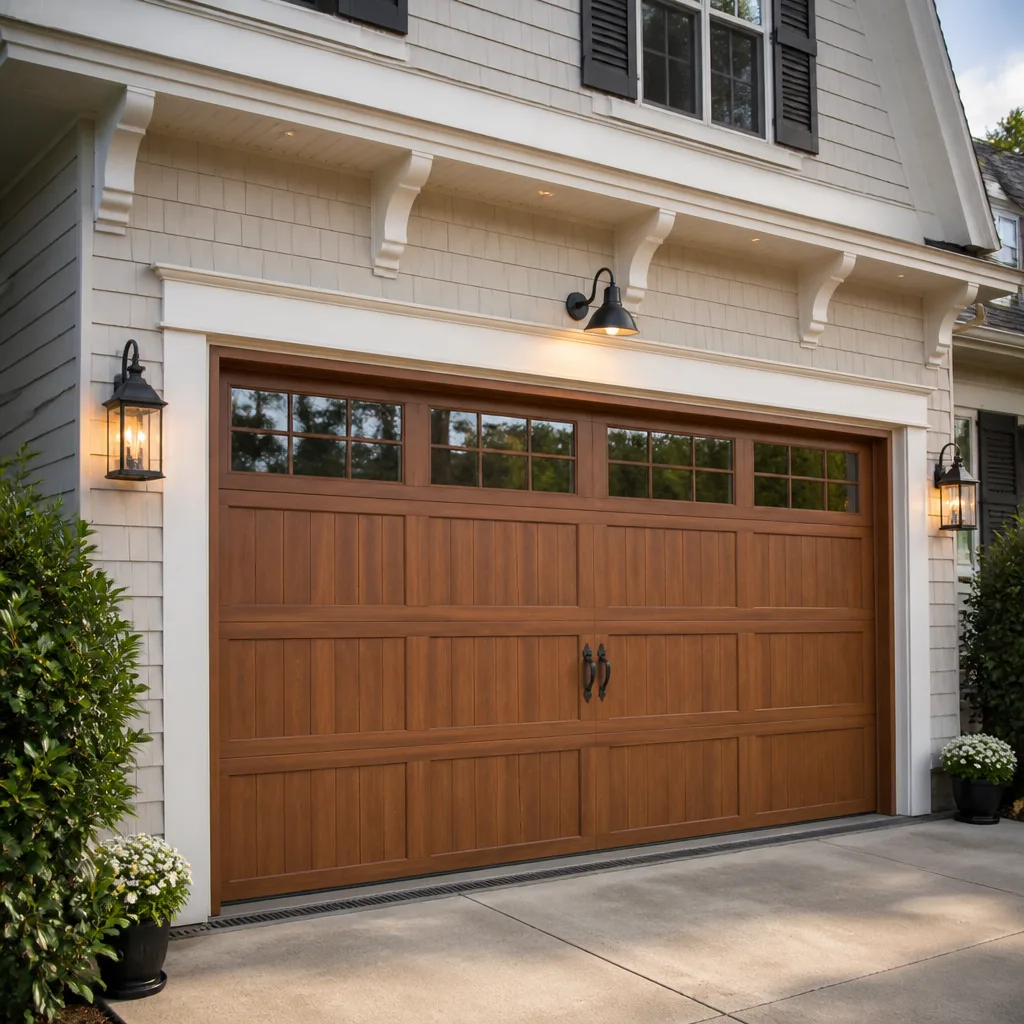
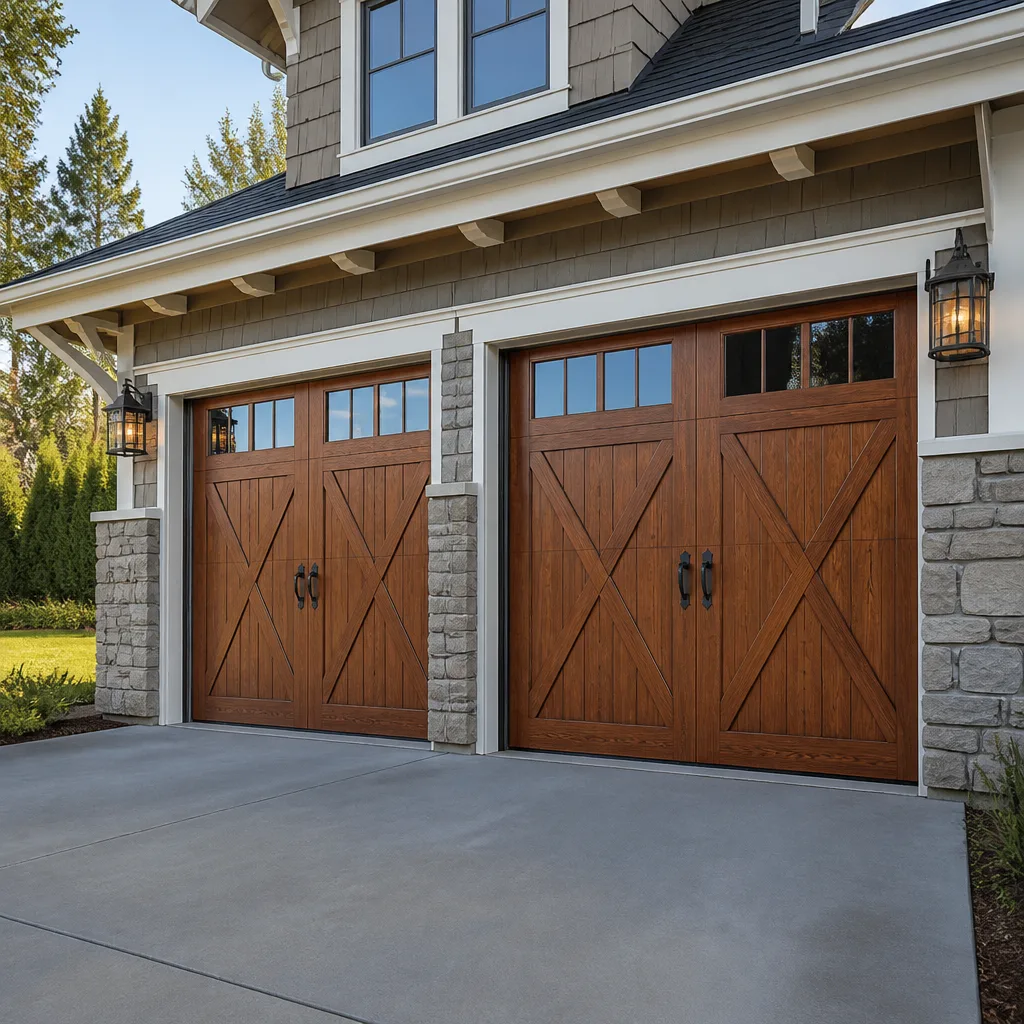 Carriage house
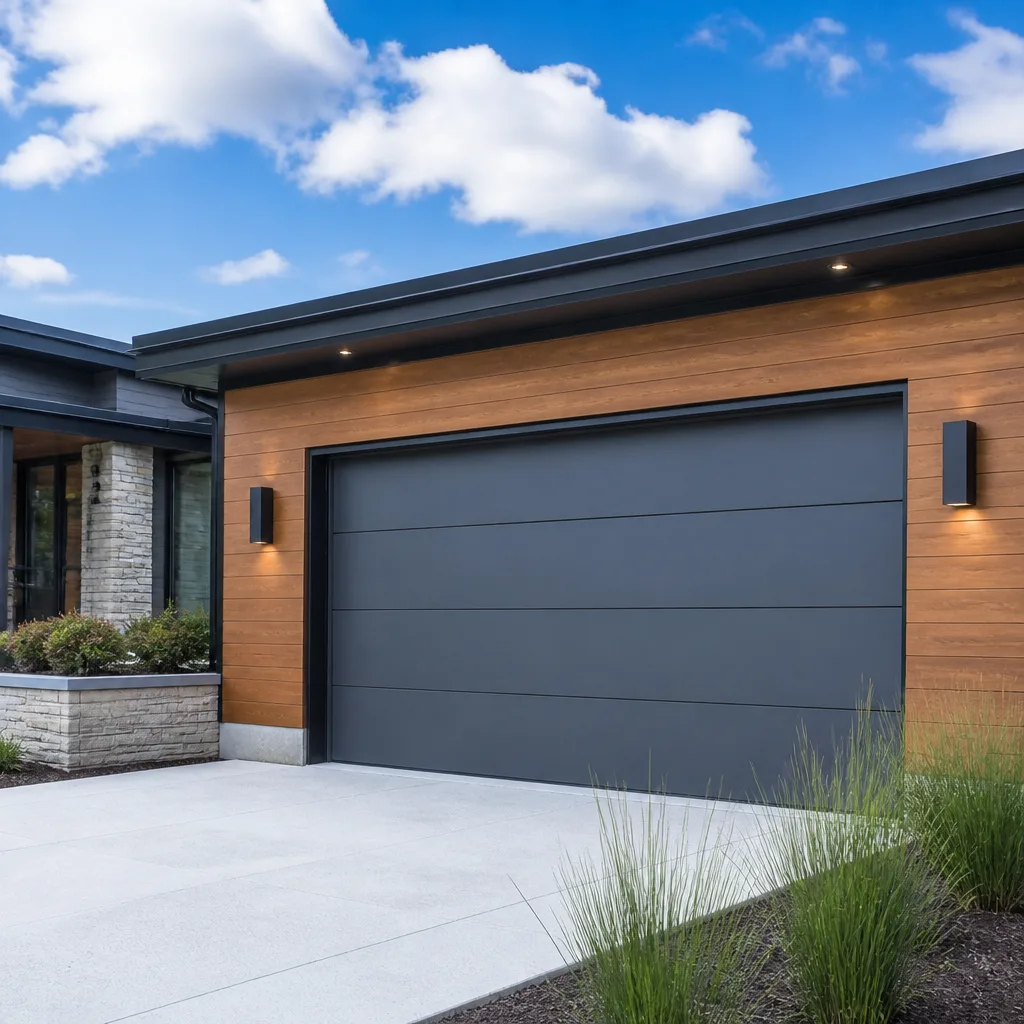 Modern flush
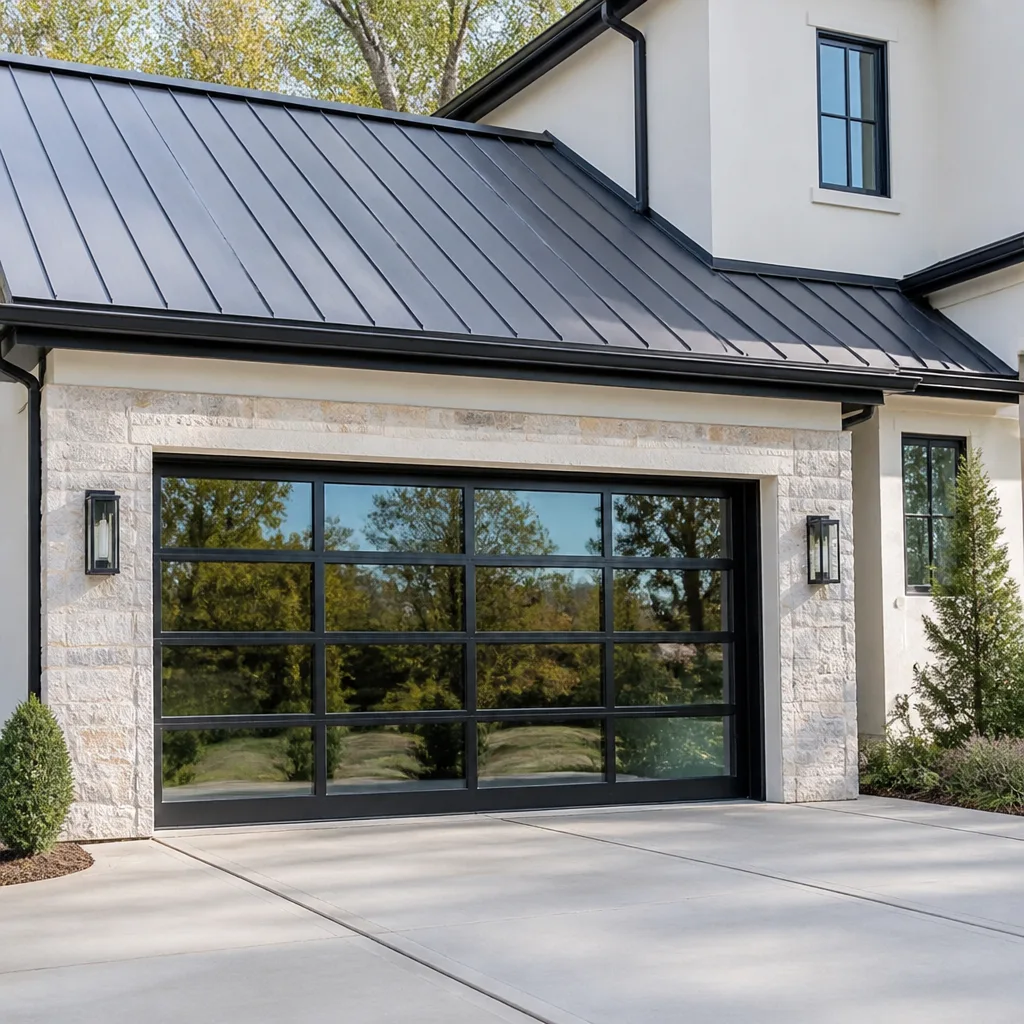 Full-view glass
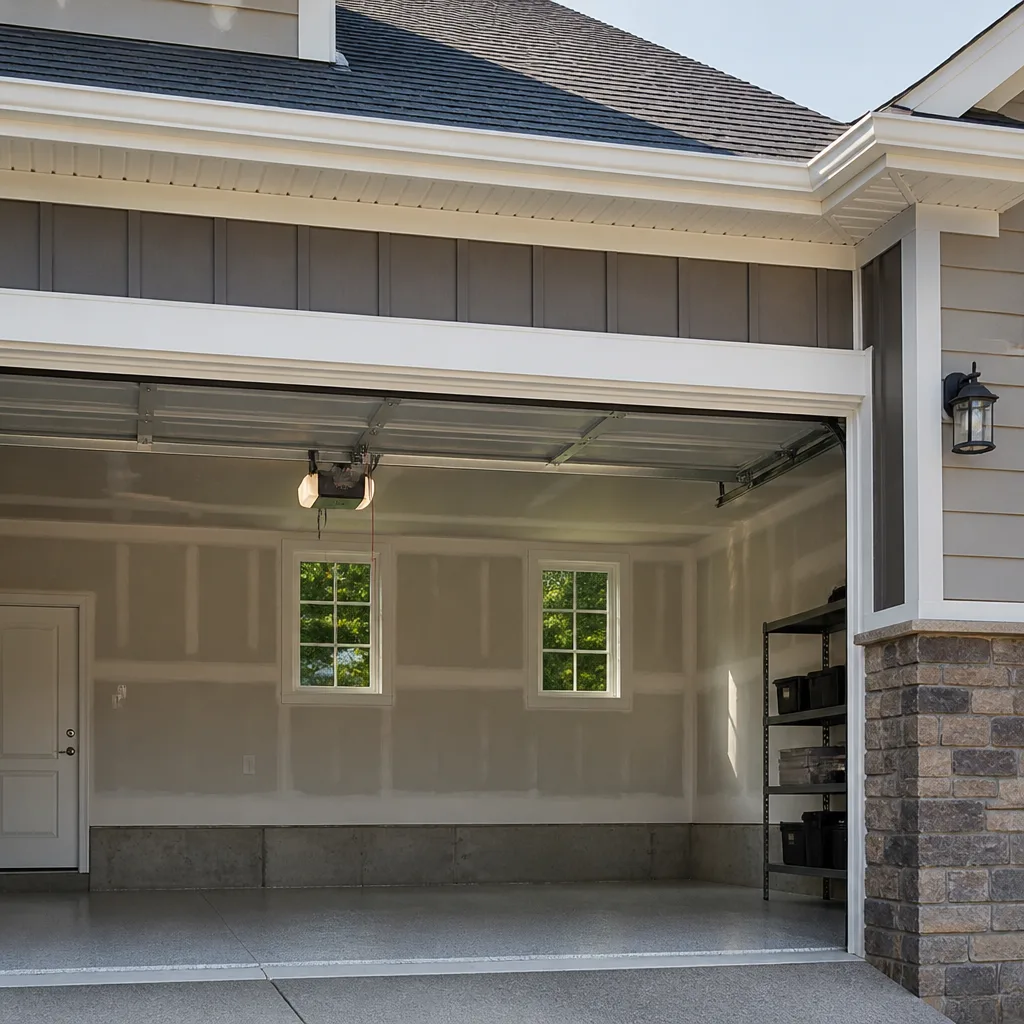 LiftMaster openers
 Chamberlain openers
Full 25-point door and opener safety check with every visit - springs, cables, rollers, tracks, and your LiftMaster or Chamberlain opener included
You get a price before we start. It does not change when the pro arrives.
Get your free estimateSeasonal Garage Door Care for Cranberry Township: Year-Round Homeowner’s Guide
October is the most important month for your garage door in Cranberry Township. Everything that wasn’t addressed then will announce itself in January, usually at 7 a.m. when you’re already late. That’s the counterintuitive part of seasonal care: the failures you notice in winter get set in motion months earlier, and the freeze-thaw swings of March do damage that starts with a seal nobody looked at in October. Cranberry Township’s four genuinely distinct seasons each create a different failure mode for your door, and the smart move is preventing each one the month before it arrives. This guide covers what to check and when, season by season.
Quick Answer
Seasonal garage door care in Cranberry Township means four seasonal checkpoints: an October pre-winter service covering spring tension and a cold-rated lubricant, a March thaw check on bottom seals and the concrete contact point, a summer UV inspection on non-steel door faces, and a fall hardware pass before the first freeze. Each takes about 20 minutes to inspect and prevents a specific failure mode the season brings.
Styles & brands we work with
- Raised-panel steel
- Carriage house
- Modern flush
- Full-view glass
- LiftMaster openers
- Chamberlain openers
Table of Contents
- Why October Decides Your Winter
- The Lubrication Mistake That Trips Your Opener in the Cold
- Spring Thaw and the Bottom Seal Problem
- Summer UV Degradation on Non-Steel Doors
- The Fall Cable Drum and Spring Tension Check
- The 20-Minute Seasonal Walk-Through
- The Cranberry Township Seasonal Calendar at a Glance
- Common Mistakes to Avoid
Why October Decides Your Winter
Here’s what we’ve learned from working on doors across Cranberry Township: the calls that flood in during the first hard freeze are almost always the result of an October that got skipped. A torsion spring that was carrying a small amount of wear in September doesn’t announce itself. It gets stressed when the metal contracts with the temperature, when the lubricant thickens and drags on the rollers, and when the opener starts working harder to move a door that suddenly feels heavier than it should.
October is the month to address all of it. The first freeze in this part of western Pennsylvania typically lands somewhere in late October or early November, and by then you want the door in a known state. That means a cable and spring inspection, fresh lubricant rated for cold, a check on weatherstripping at the bottom, and a look at the opener’s force settings so it isn’t fighting a door that’s about to stiffen up.
The reason winter is unforgiving is that a garage door is a machine with a narrow tolerance band. Openers are set to move a specific load, and lift cables, springs, and rollers all change how much effort that takes. When the temperature drops, everything in the system tightens at slightly different rates. A door that ran smoothly in September can begin stopping halfway in January, and the opener’s logic board will interpret that as a safety event and reverse direction. That reverse is a safety feature working, not a door malfunction – but something has to give, and it’s usually the door that gives first.
The Lubrication Mistake That Trips Your Opener in the Cold
Most lubricants in a homeowner’s garage are wrong for a garage door in Cranberry Township winters. White lithium grease, WD-40 in its standard form, and general-purpose spray lubricants all thicken as the temperature drops, and some of them get genuinely stiff below 0°F. When a lubricant stiffens, the rollers stop spinning freely, the hinges bind, and the opener has to pull a door that now moves like it’s in wet sand. That kind of resistance trips the same safety reversal that a true obstruction would, and the owner assumes the opener is failing when the real problem is what they sprayed on it in September.
The right product is a garage-door-specific lubricant that stays viscous across the cold end of the temperature range. Look for products formulated for low-temperature service rather than general shop grease. A silicone-based spray on tracks and hinges, and a purpose-made torsion-spring lubricant applied sparingly, keep the system moving freely when the mercury drops. The wrong move is over-lubricating. Too much product attracts grit, and grit on the tracks is its own warranty problem.
What to lubricate and what to leave alone
- Spray a small amount on each hinge pivot – one short burst per hinge, not a bath.
- Apply a light coat to the torsion springs, which on most doors are the big coil above the door or the pair across the header.
- Lubricate the tracks along the roller surface, not in the channel where the roller rides.
- Leave the opener rail and the opener itself alone – openers are lubricated at the factory.
- Never lubricate lift cables. Cables carry tension and want to be inspected, not oiled.
If you’ve read this and are now wondering whether the roller noise you’re hearing is a lube problem or something more serious, that’s a reasonable question to hand to a technician. We handle garage door opener repair across Cranberry Township and can tell you in a few minutes whether the opener is the issue or the door.
Spring Thaw and the Bottom Seal Problem
The freeze-thaw cycle is harder on bottom seals and concrete contact points than the deep freeze itself. During a Cranberry Township winter, the gap between the bottom of your door and the concrete slab fills with snow, ice, and moisture. When the thaw comes in March, that moisture doesn’t just sit there; it walks in and out of the porous edge of the concrete every day. The rubber bottom seal, which has been compressed against that concrete all winter, gets worked back and forth as the ice forms and melts. It’s this repeated cycle, not one long freeze, that cracks the rubber and tears the seal away from the door.
The bottom seal also takes the most abuse of any part of the door because it’s the piece in direct contact with the concrete, the snow, and the road salt your car drags in. In Cranberry Township, where the driveway meets a slab that shifts a little with the seasonal cycle, that contact line moves too. A seal that worked in December might have a visible gap by March that lets in water, debris, and the occasional field mouse. Never underestimate what enters through a half-inch gap at the bottom of a garage door.
March is the month to walk the bottom of the door with your hand. Look for:
- Cracks or splits in the rubber along the contact edge.
- Hardened or flattened seal that no longer presses against the concrete.
- Water stains on the interior floor line after a heavy rain.
- Concrete spalling or flaking at the slab edge where the seal meets it.
- Visible daylight under a door that appears closed.
Replacing a bottom seal is one of the more straightforward jobs in this trade and one of the highest-value seasonal fixes. If the seal has died and the door doesn’t press tightly anymore, that’s worth addressing before summer. For the full range of repair work around the seal and tracks, see our garage door repair service.
Summer UV Degradation on Non-Steel Doors
UV degradation on non-steel doors is real, and in Cranberry Township it hits hardest on a garage that faces west. If your garage door faces west, it takes the full afternoon sun from roughly April through October – that’s six months of direct UV on a surface most homeowners never look at closely. Steel doors generally shrug it off. Wood doors, composite doors, and the vinyl or polymer overlay on some Clopay and Wayne Dalton doors are more vulnerable.
How to spot UV degradation early
- Chalky, faded, or whitish appearance on the painted surface, especially at the top where the sun hits first.
- Paint that comes off with a light rub – a sign of oxidation under the finish.
- Hairline cracks in the top layer of a wood or composite face, usually starting at panel seams.
- Sections of the door that are warmer to the touch than the rest, which can indicate a failed paint film.
Fading is a slow process, and the smart move is to catch it before the finish fails completely. A fresh coat of exterior-grade paint on a wood or composite door resets the UV clock. Steel doors and the brand-name panel finishes on Clopay and Amarr products hold up better, but even those should be inspected each summer for rust starting at seams, hinges, and the bottom edge. Where metal is exposed at the panel seams, touch-up paint is a quick fix that keeps a small spot from spreading. Summer is also the right time to check the seals and plastic components, which become brittle at high temperatures – and old brittle rollers are a common source of noise complaints we hear in July and August.
The Fall Cable Drum and Spring Tension Check
The cable drum and spring tension check should happen every October before the first freeze. This is the most important mechanical inspection of the year, and it’s the one most homeowners skip because it’s also the most dangerous to perform. Springs are under extreme tension, and a torsion spring that’s about to fail can look fine right up until it snaps. Fall is when you want to know the state of the system, because a spring failure in January means a door that won’t open in a way most people can’t repair on their own.
What the fall inspection covers
- Spring tension. A trained eye checks the springs for rust, stretch, and imbalance. A torsion spring should look full and even; a sagging or visibly corroded spring is a warning sign.
- Cable condition. The lift cables run from the bottom brackets up to the drums. Fraying, kinks, or visible rust at the drum mean the cable is nearing the end of its life.
- Drum seating. The cable drum at the top of each side should sit firmly on its shaft, with the cable wound evenly across it. A cable that jumps the drum is a sudden, serious failure.
- Roller and hinge play. Worn rollers and hinges load the opener and put lateral stress on the door, which is harder to detect in warm weather.
- Opener force and safety reverse. The force setting should be checked, and the safety reverse should be tested so it stops when it meets an obstruction.
If you’re within a reasonable distance of a failed spring – say the door won’t lift, or you’ve heard a loud bang from the garage – that’s not a step to handle yourself. Springs are under extreme tension and this is specialist work. Our technicians handle garage door spring repair and the tension check as a standard service, not an upsell, which is exactly how it should be treated every fall.
The 20-Minute Seasonal Walk-Through
You can do a meaningful seasonal inspection in 20 minutes without any specialized tools. This isn’t a substitute for the professional spring and cable check; it’s the homeowner’s pass that catches the small things before they turn into a service call. Do it once a season. A flashlight, a rag, and a can of the right lubricant are the only equipment you need.
Step-by-step for each season
- Run the door once and listen. Rattle is normal; grinding, scraping, or a door that hesitates at a specific point is not.
- Test the safety reverse. With the door on the way down, put a small block in its path. The door should reverse on contact. If it doesn’t, the opener is not protecting anything.
- Check the bottom seal. Run your hand along the contact edge. Look for cracks, and look for daylight under the closed door.
- Look at the springs. From the ground, note any rust, sagging, or break in the coil. Do not touch them; just look.
- Inspect the tracks. Run a cloth along the inside of each track to see how much debris and grit is collecting. Look for dents or bends from a bump.
- Check the hinges and rollers. Each hinge pivot should move without much play. Rollers should spin freely by hand and show no flat spots.
- Lubricate sparingly with a cold-rated garage door lubricant. A little goes a long way, and less is better than more.
- Look at the door surface. In summer and fall, look for fading, rust, or cracks at panel seams. A touch-up now beats a repaint later.
- Track the results. Note what you found each season. A pattern – the same hinge loosening every spring, for example – is a signal worth showing a technician.
If the walk-through turns up something you’re not comfortable handling, or if your opener is one of the common smart or legacy platforms like a LiftMaster, Chamberlain, Genie, or Craftsman unit and something isn’t syncing, call it in. The parts for those systems are specific to each platform, and a generalist often guesses wrong. Our technicians know the specific tolerances of those brands and can tell you in a visit whether it’s a lubrication issue, a setup issue, or a part that’s done its job.
The Cranberry Township Seasonal Calendar at a Glance
This is what a full year of garage door care looks like in Cranberry Township. Use it as a planning tool for the walk-through above.
- October – pre-winter foundation. Cable and spring check, cold-rated lubrication, weatherstrip inspection, opener force and reverse test. This is the highest-value service month of the year.
- November – the freeze arrives. Watch for a door that starts moving harder as temperatures drop. If the opener reverses on its own, get it checked before it becomes a failure.
- December through February – deep winter. Watch the door, don’t over-adjust. Keep the bottom clear of ice. If you hear a bang from the garage, stop and call a technician; do not try to raise the door by hand.
- March – spring thaw. Bottom seal inspection, concrete contact point check, water intrusion signs. Replace a flat or cracked seal before summer.
- April and May – spring service. Reverse test again, roller and hinge inspection, track debris cleaning after winter.
- June through August – summer UV. Finish inspection on non-steel doors, touch-up on powder-coated steel, check seals and plastic parts for heat brittleness.
- September – back-to-fall. Second full walk-through ahead of October. Check opener remote batteries, wall control function, and safety sensor alignment as leaves and debris build up outside.
For most Cranberry Township homes, the October service is the single most important appointment in the year. A spring that’s checked and a door that’s lubricated properly goes into the winter in a known state, and known state is the whole goal.
Common Mistakes to Avoid
- Using the wrong lubricant for winter. White lithium and standard shop greases can stiffen below 0°F and make the opener work harder. Use a garage-door lubricant rated for cold, and stop using the general-purpose can in the garage.
- Oiling the tracks. Lubricant on the track channel attracts grit, and grit accelerates roller wear. Lubricate the roller surface and leave the channel clean.
- Adjusting a torsion spring yourself. Spring tension is stored energy that can release suddenly. This is the one part of seasonal care that should always go to a trained technician.
- Ignoring the bottom seal until it falls off. A failed bottom seal lets in water and pests, and it loads the door unevenly. In a Cranberry Township freeze-thaw cycle, it fails faster than most homeowners expect.
- Skipping the fall check because the door “seems fine.” Most of the doors we see that fail in January passed a visual look in October. The internal condition of springs and cables isn’t visible from across the driveway.
- Assuming a reversing door means a broken opener. The safety reverse is working exactly as designed when it reverses on load. The problem is usually the door or the lubricant, not the opener.
- Ignoring fading on a west-facing door. UV damage on a wood or composite face starts slowly and accelerates once the finish fails. A spring touch-up saves a fall repaint.
See the difference
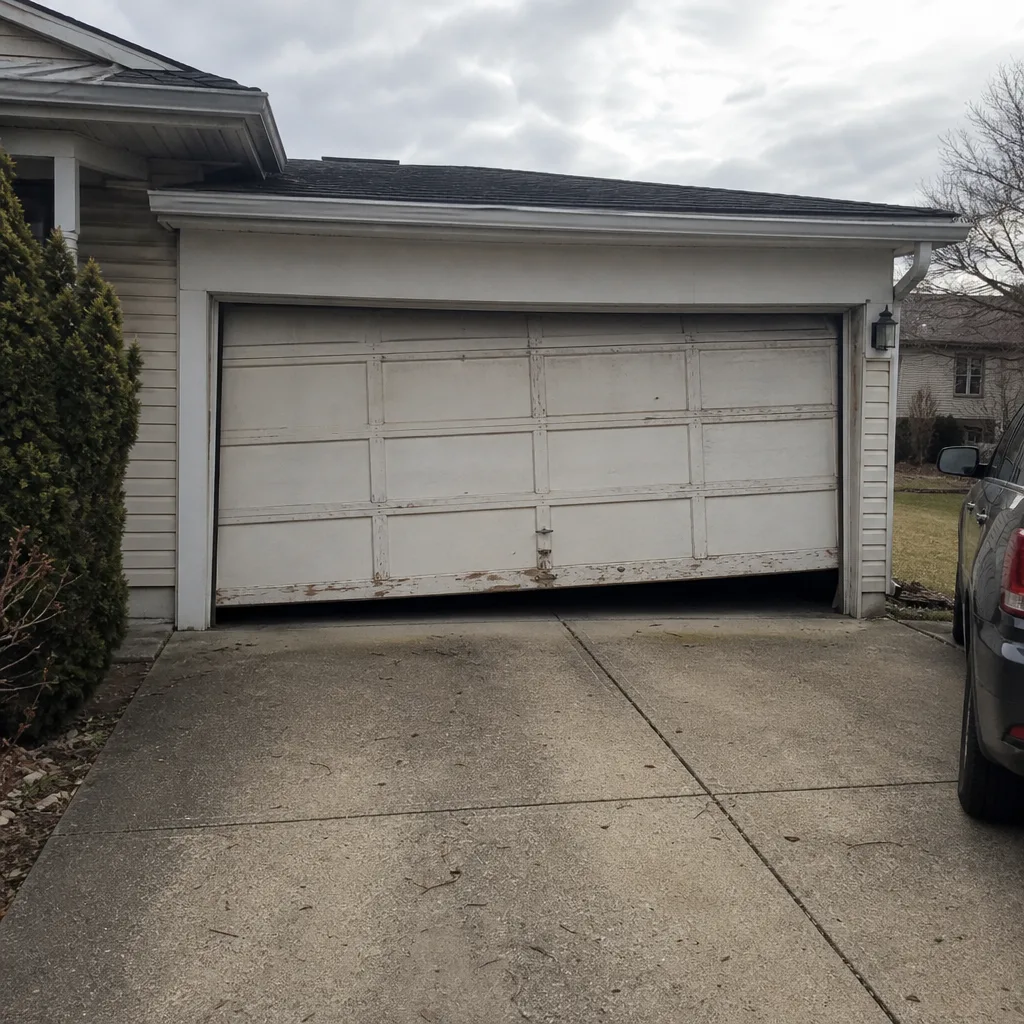 Before
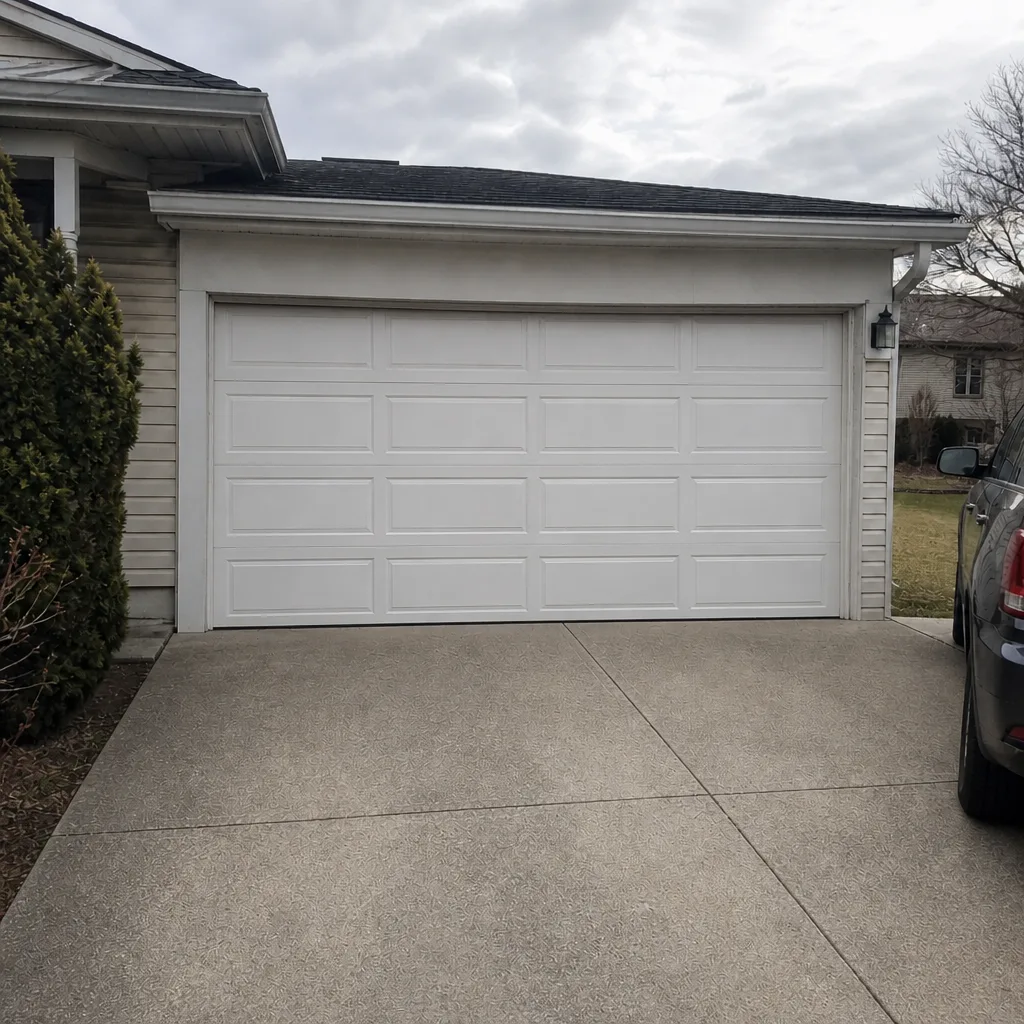 After
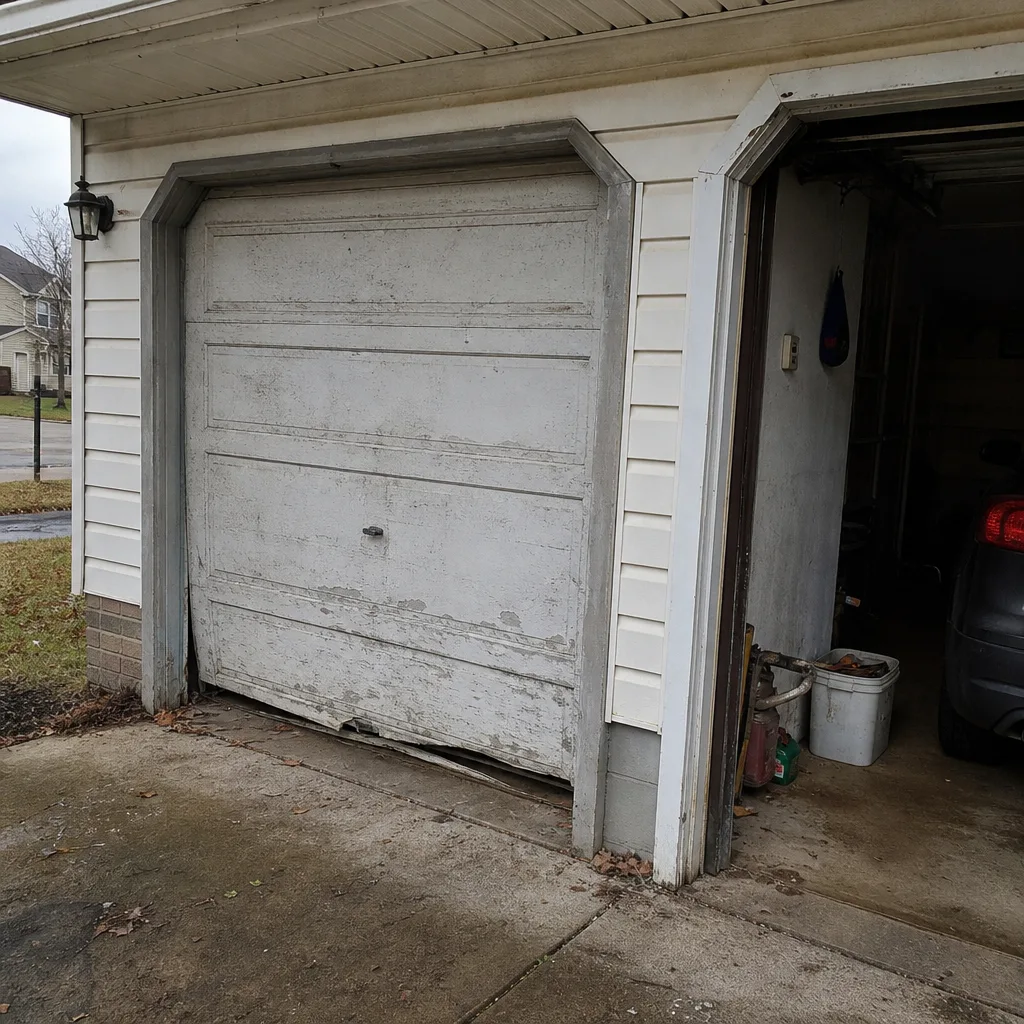 Before
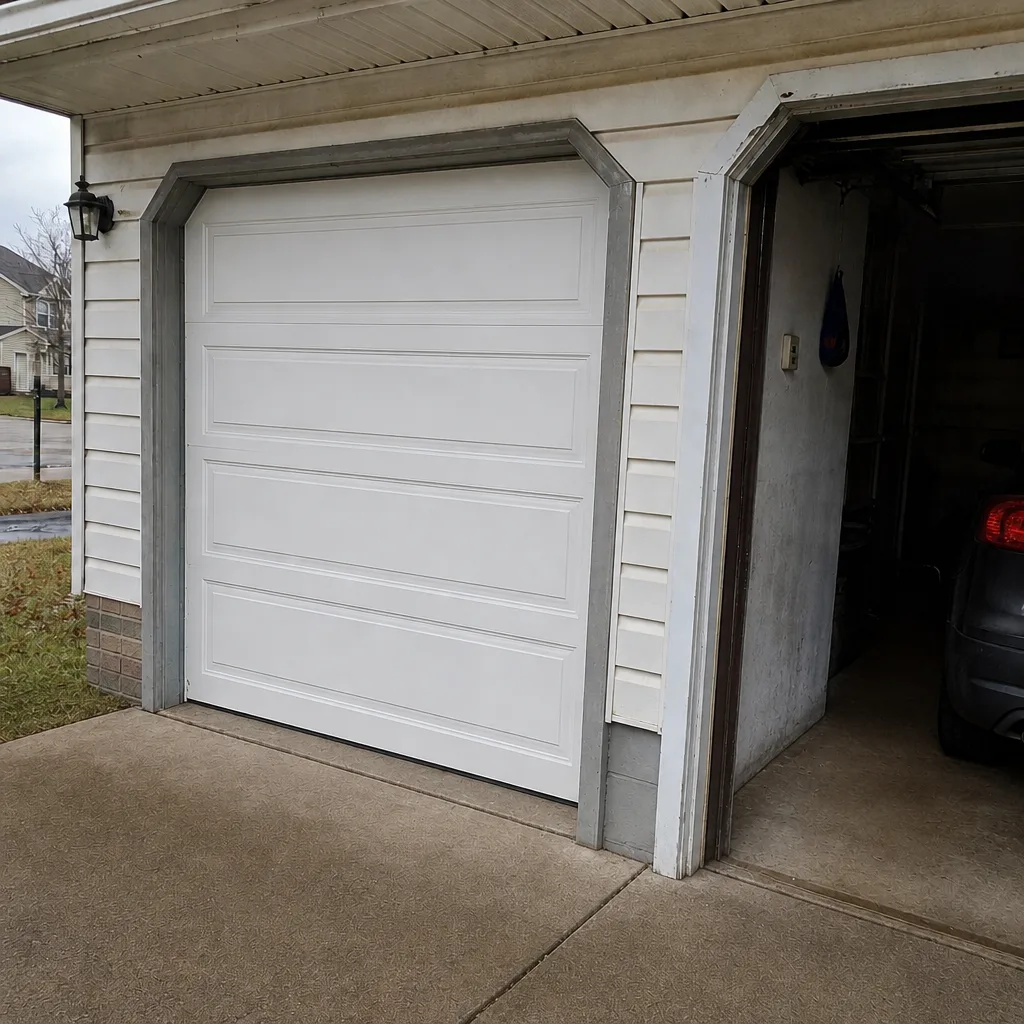 After
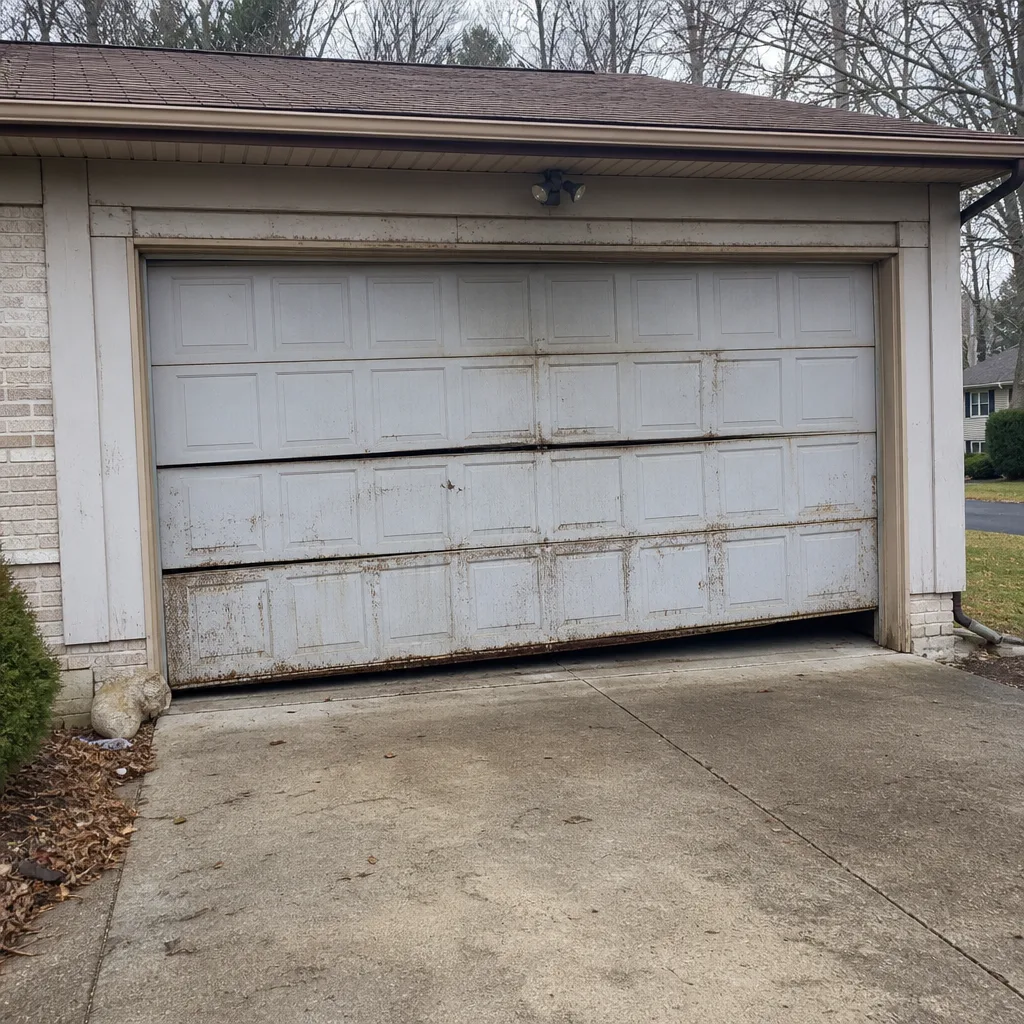 Before
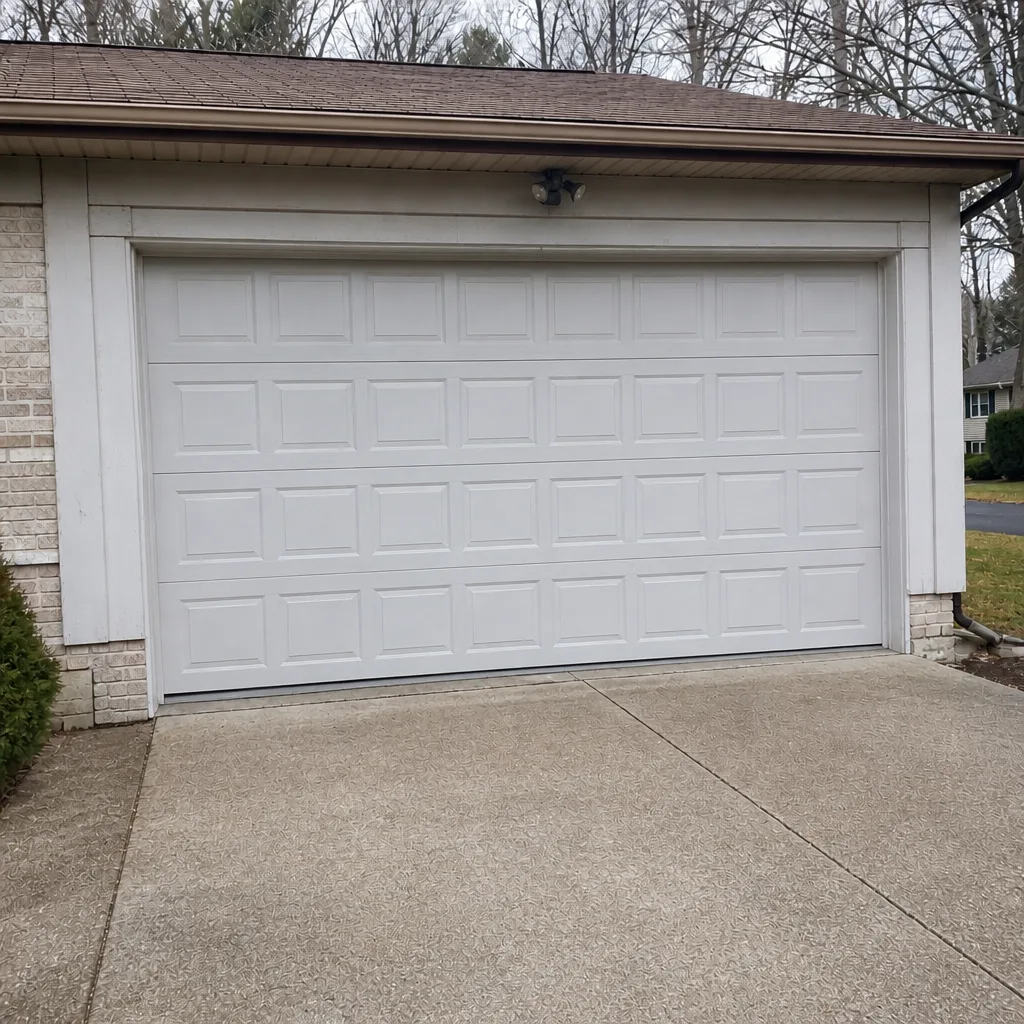 After
When to Call a Professional
Some seasonal checks are homeowner work. Others are not. If your door won’t lift, you hear a loud bang from the garage, the door is hanging low on one side, or you can see a broken spring, stop and call. Don’t try to force the door open. If your opener reverses repeatedly and the track looks clean, the issue is likely mechanical – springs, cables, or rollers – and needs a trained eye. If your bottom seal is torn, water is getting in, or your door is slow and noisy going into the winter, that’s the right time to schedule a pre-winter visit rather than wait for a failure. Garage Door Repair Cranberry offers free estimates in Cranberry Township – call (855) 658-4219. Our technicians have up to 14 years of experience, and we work on the brand already on your garage.
Frequently Asked Questions
October is the best month for a full service in Cranberry Township, before the first freeze. A fall service covers spring and cable checks, cold-rated lubrication, and the bottom seal, which are the three items that decide how the door performs through the winter.
Use a garage-door-specific lubricant formulated for low temperatures, not white lithium or general-purpose grease. Those common products can stiffen below 0°F and make the opener work harder than it should, which can trip the safety reverse. Apply sparingly to hinges, springs, and roller surfaces. If your opener has been reversing on its own and you’re not sure what’s causing it, call (855) 658-4219 for a diagnosis – estimates are free.
Cold temperatures thicken lubricant and shrink the metal components, so the door requires more effort than it did in the fall. If the opener starts reversing or the door hesitates, the system is near its load limit. A cold-rated lubricant service and a spring check usually resolve it before it turns into a failure.
Bottom seals are among the easier parts to replace, but the seal is under load from the door and the concrete contact point should be inspected at the same time. If the concrete is spalling or the seal failure is causing water intrusion, have a technician look at the whole bottom assembly. For the seal-only replacement, plenty of homeowners do it themselves; for the bigger picture, call (855) 658-4219 for an estimate.
Yes, especially on a west-facing door where the afternoon sun hits the surface for six months of the year. Wood, composite, and some vinyl-overlay doors fade and crack at the panel seams without visible warning. A spring touch-up on the painted surface resets the UV clock and prevents a larger repaint later.
Spring repair in Cranberry Township is typically quoted per job once we see the door, and the written estimate sets the final price before any work starts. Seasonal inspection and lubrication service is a smaller cost than a repair. Call (855) 658-4219 for a free estimate; the price is agreed before we begin.
The Bottom Line
Seasonal garage door care in Cranberry Township comes down to four checkpoints, and October is the most important of them. Check spring and cable tension before the first freeze, use a cold-rated lubricant so the opener isn’t fighting a stiff door in January, inspect the bottom seal when the thaw comes in March, and watch west-facing door surfaces for UV damage through the summer. A 20-minute homeowner walk-through catches the small issues; a trained technician handles the spring tension and any repair that turns up. The goal is a door that never surprises you at 7 a.m. If it does, Garage Door Repair Cranberry can help – call (855) 658-4219 for a free estimate. Our full range of service starts with Garage Door Repair Cranberry and covers the door, springs, and openers from the brands already on your garage.
Written by the team at Garage Door Repair Cranberry.