Last updated November 23, 2026
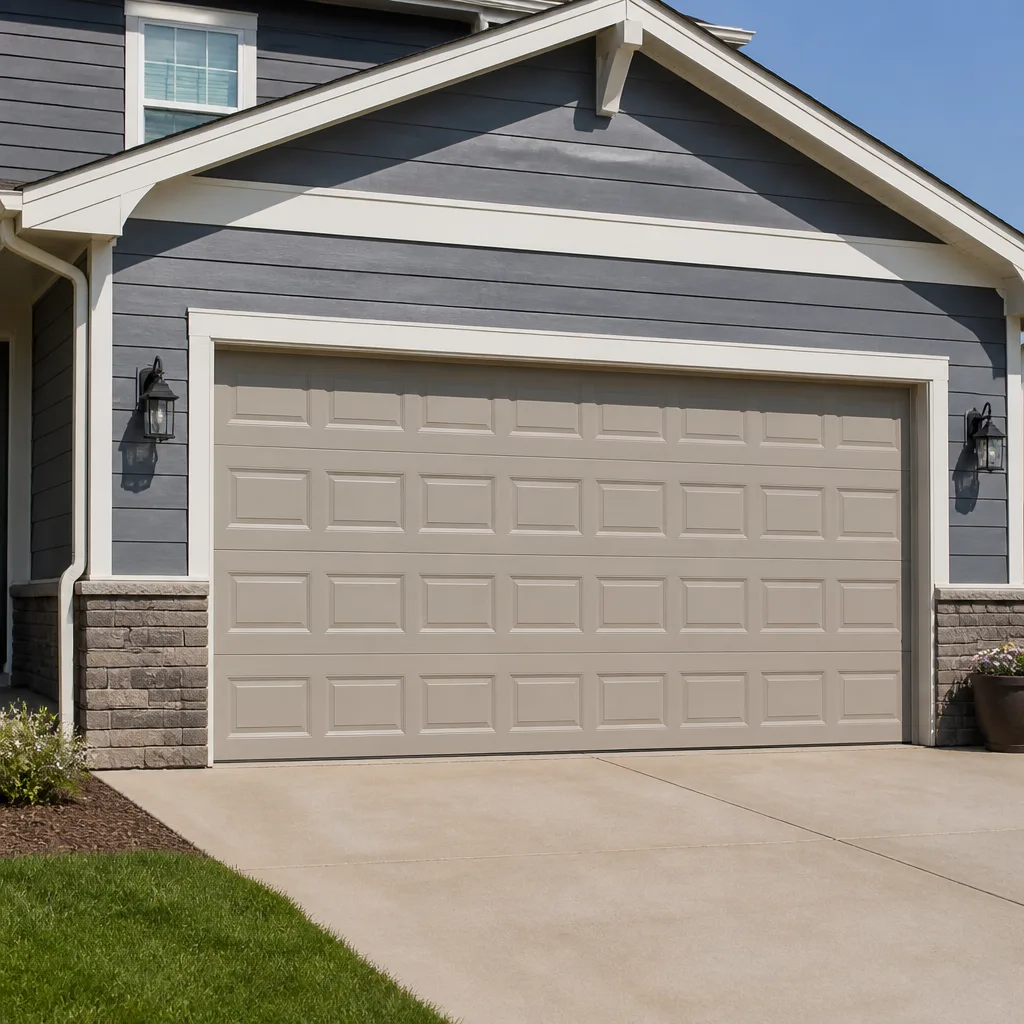 Raised-panel steel
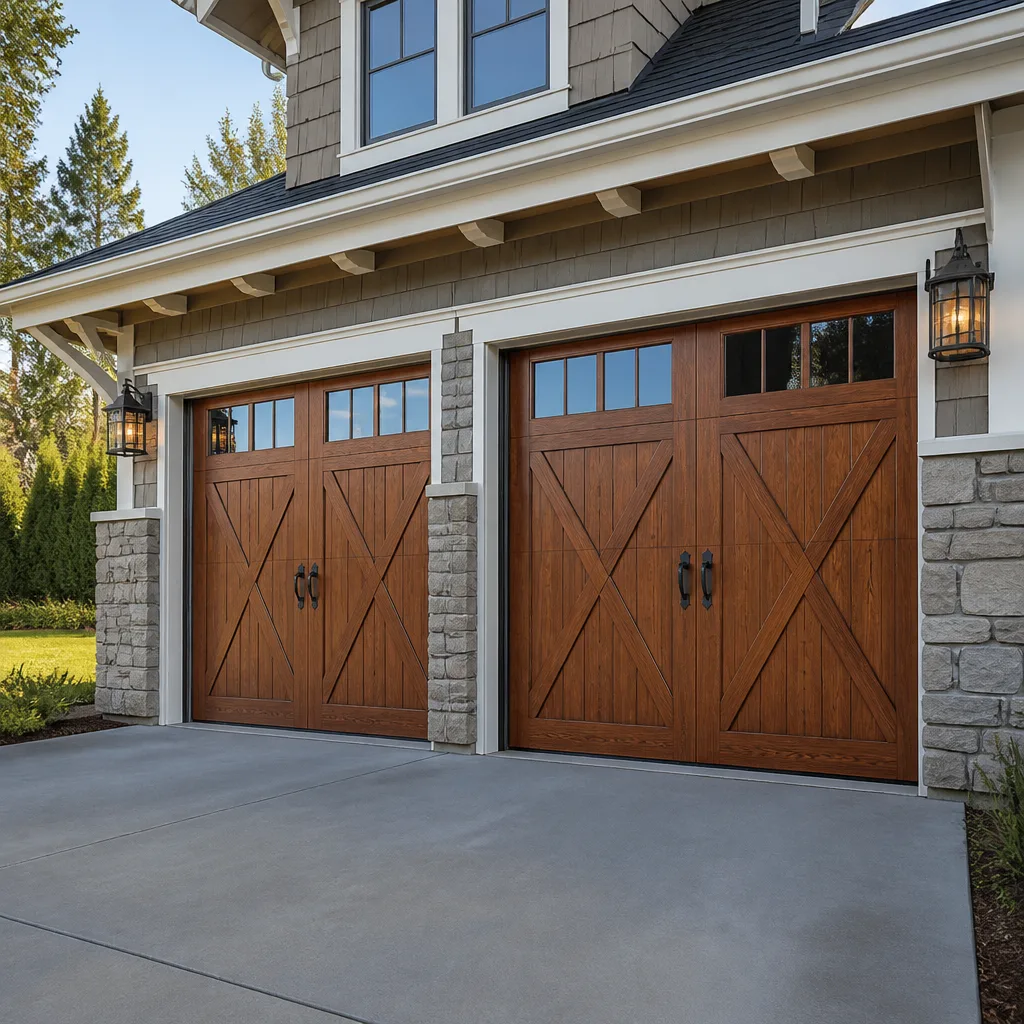 Carriage house
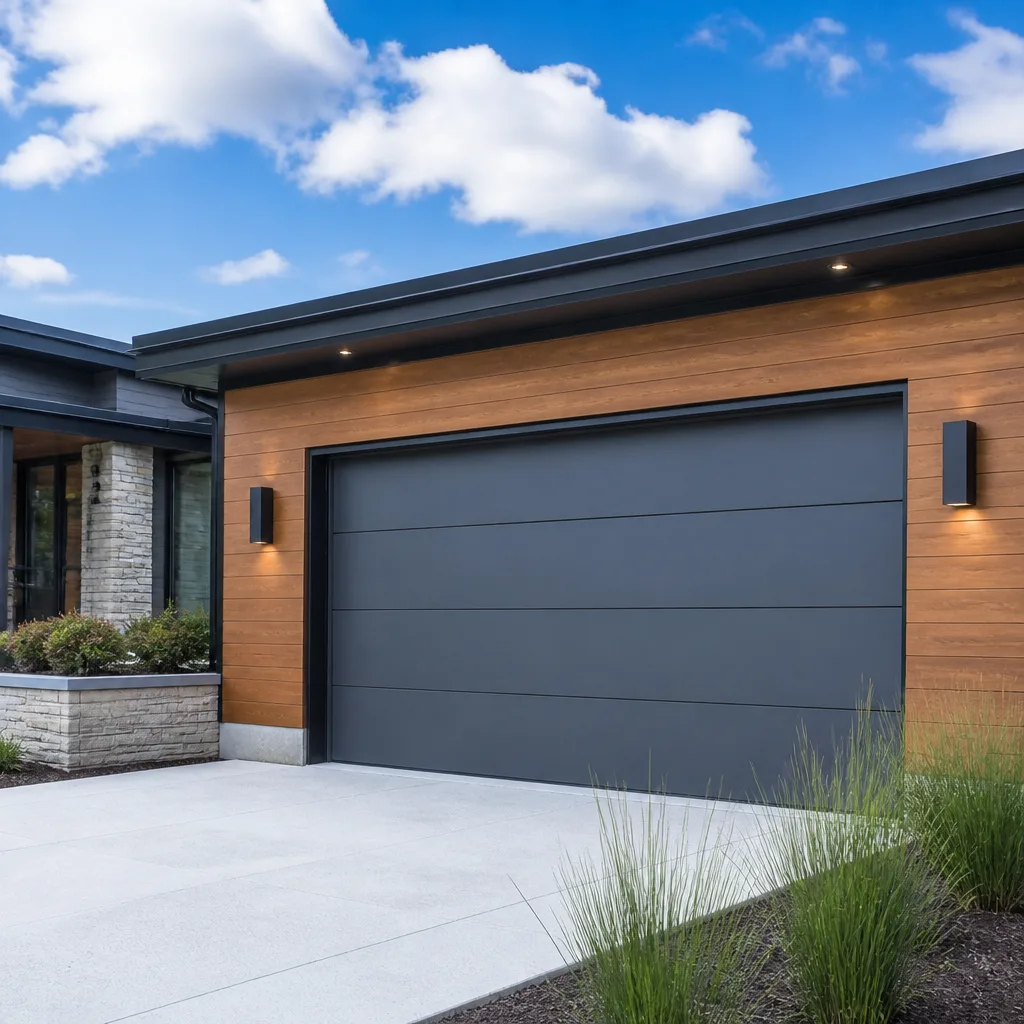 Modern flush
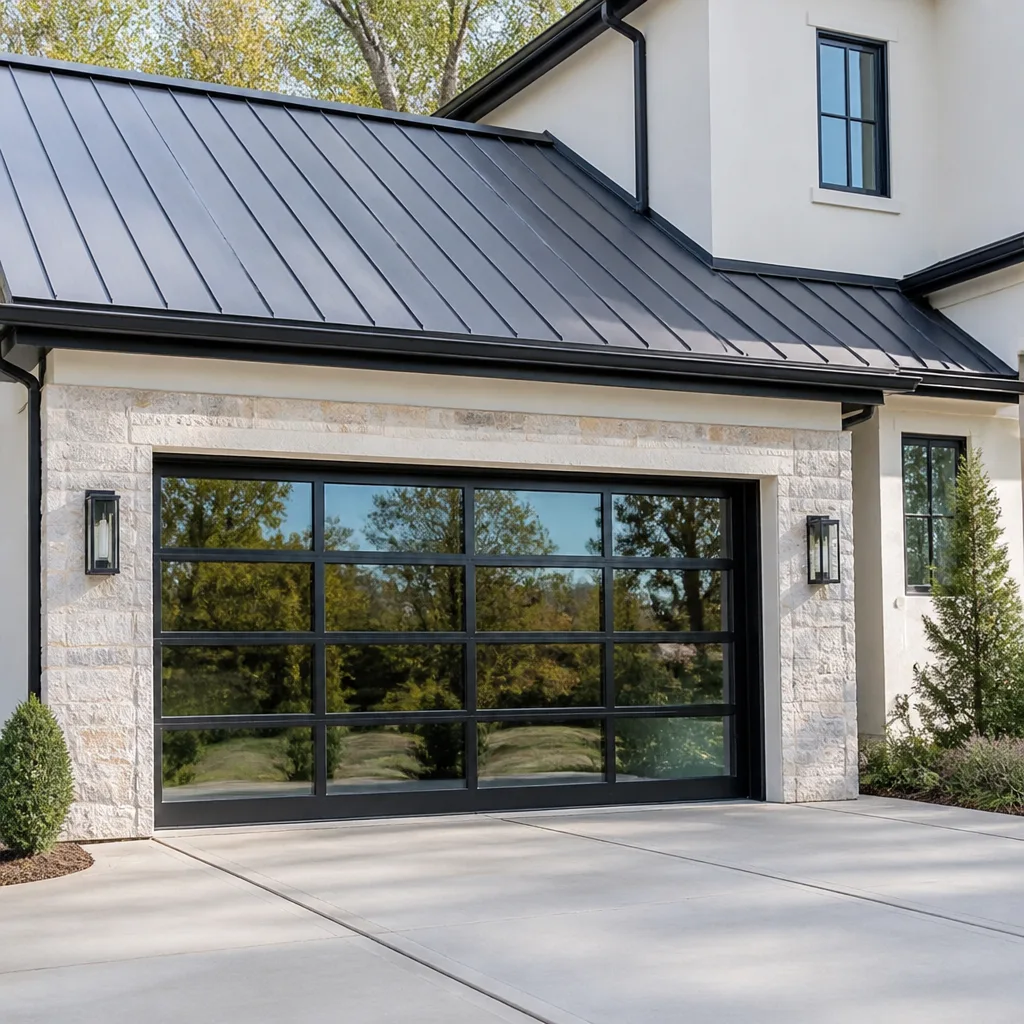 Full-view glass
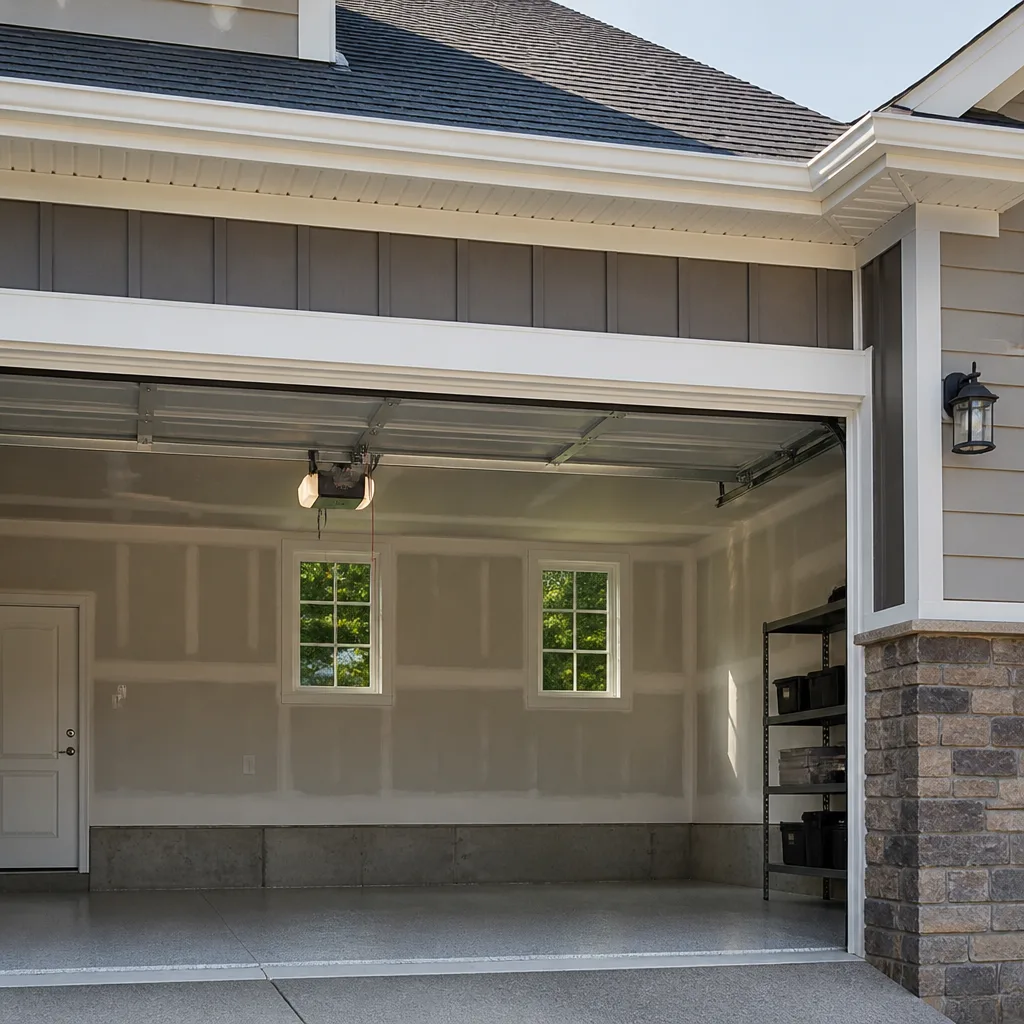 LiftMaster openers
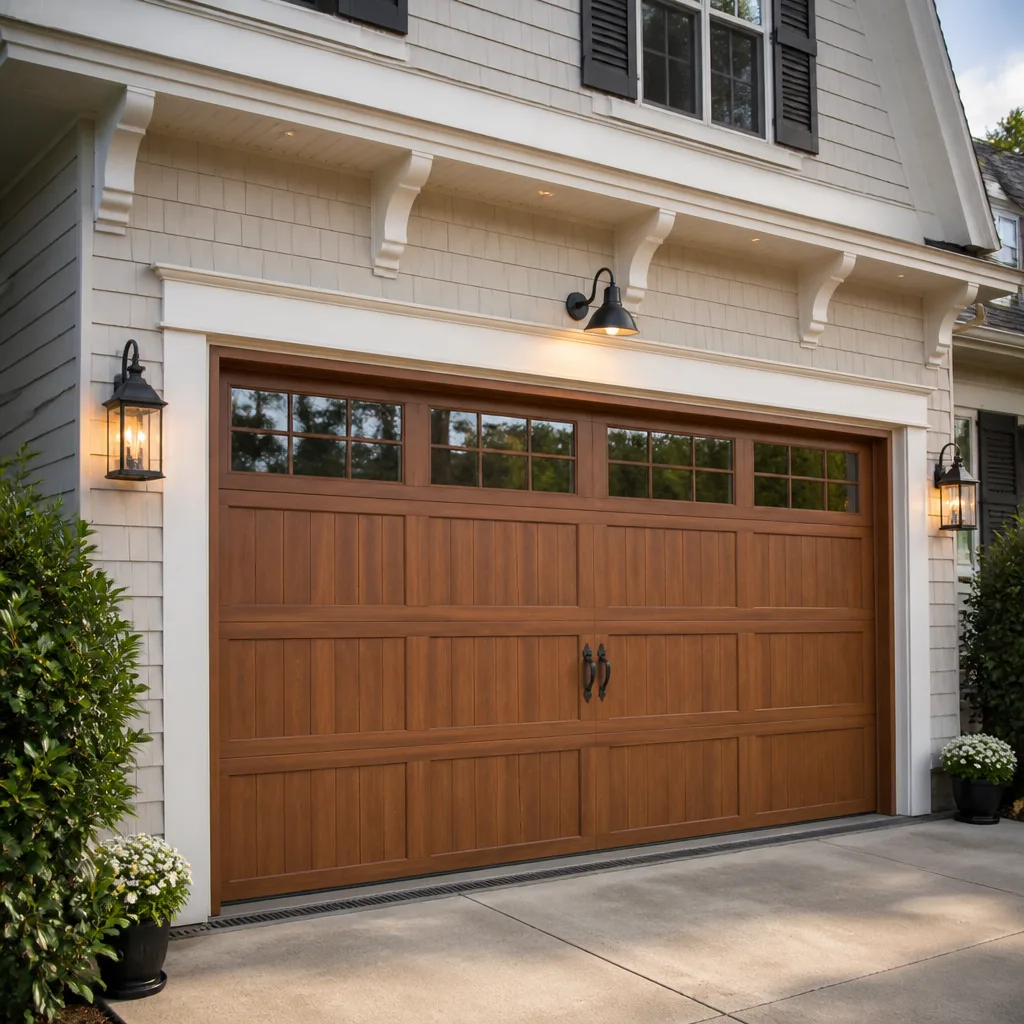 Chamberlain openers
Full 25-point door and opener safety check with every visit - springs, cables, rollers, tracks, and your LiftMaster or Chamberlain opener included
You get a price before we start. It does not change when the pro arrives.
Get your free estimateThe Complete Guide to Garage Doors in Cranberry Township
Cranberry Township added thousands of housing units in the last decade, and almost every one of them came with an attached garage. Yet most garage door guides you’ll find online were written for a generic American suburb with no hard winter, no HOA review process, and no context for how a door actually performs in southwestern Pennsylvania. That gap matters. A door spec that makes sense in a mild climate can fight you here every February, and a color choice that looks fine on a showroom wall can fail an architectural review before it’s ever installed. This guide treats your ZIP code as the variable it actually is. You’ll learn how freeze-thaw cycles shape material choices, what HOA rules commonly constrain, which door types fit Cranberry Township’s attached-garage housing stock, and where a handyman, a big-box installer, and a dedicated specialist genuinely differ.
Quick Answer
The best garage door for a Cranberry Township home is usually an insulated steel door in a raised-panel or carriage-house style, sized and rated for a heated or semi-conditioned attached garage, chosen with your HOA’s appearance rules in hand before you order. Repairs like springs, cables, and openers are almost always the smarter spend on an existing door; full replacement makes sense when panels are rusted through, the door is beyond safe adjustment, or you’re changing the look of the house. Either way, get a written, itemized price before any work starts.
Styles & brands we work with
- Raised-panel steel
- Carriage house
- Modern flush
- Full-view glass
- LiftMaster openers
- Chamberlain openers
Table of Contents
- How Cranberry Township’s Freeze-Thaw Cycles Affect Your Door
- HOA Appearance Rules and What They Mean for Your Door Choice
- Handyman vs. Big-Box Installer vs. Dedicated Specialist
- Which Door Types Make Sense for Cranberry Township Homes
- Permit Triggers Homeowners Don’t See Coming
- Repair or Replace? A Straight Decision Framework
- Springs, Cables, and the Work You Should Never Do Yourself
- Openers and Smart Controls in a Modern Suburban Garage
How Cranberry Township’s Freeze-Thaw Cycles Affect Your Door
Butler County swings above and below freezing repeatedly through winter, and that cycle does more damage to a garage door than sustained cold does. Water gets into seams, sits overnight, freezes, expands, and thaws. Repeat that dozens of times a season and you get the slow wear that shows up as a dragging door, a cracked bottom seal, or a panel that no longer sits flush.
Here’s where national averages mislead. Generic guides talk about “cold weather” as one condition. In Cranberry Township, the enemy is the transition, not the low. A few specifics that follow from that:
- Bottom seals take the worst of it. The rubber or vinyl astragal at the bottom of the door sits against concrete that holds moisture. Freeze-thaw cycling stiffens it, splits it, and eventually lets meltwater into the garage. A seal is a small, cheap part that fails faster here than a national guide would suggest.
- Steel doors need their finish checked, not just their panels. A scratched or chipped paint line on a steel door is a place for moisture to start working. In a freeze-thaw climate, small finish failures become rust spots faster than in a dry one.
- Wood and wood-composite doors move. Natural wood expands and contracts with humidity swings. In a Cranberry Township garage that’s heated one week and cold the next, that movement shows up as binding, sticking, and finish cracks.
- Track and roller alignment drifts. Ground movement from frost heave can throw a track slightly out of plumb, and a door that ran quiet in October can rub in January.
A sensible seasonal routine goes a long way: clear snow and ice from the door’s base, check that the bottom seal still seals against the floor, look for chipped paint on steel panels, and listen for new noises. If you hear grinding or the door starts to bind, stop operating it and have it checked. Small alignment issues are cheap to fix; a door run out of alignment for months is not.
HOA Appearance Rules and What They Mean for Your Door Choice
Cranberry Township’s newer developments are full of community associations, and most of them have something to say about your garage door. These rules are usually about appearance: panel style, color, window inserts, and whether a carriage-house look is required. They aren’t uniform, and that’s the trap. A door that’s perfectly acceptable in one development can be flagged in the next.
The practical move is to read your association’s architectural guidelines before you shop, not after. Ask specifically about:
- Approved colors. Many associations maintain a list, and “almond” on a color card may read differently against your siding than the swatch suggests.
- Panel profiles. Raised-panel, recessed-panel, and carriage-house styles are treated differently by different associations.
- Window inserts and hardware. Decorative hinges, handles, and window patterns sometimes need approval even when the door style is allowed.
- Submission process. Most require a written request with the manufacturer, model, and color before installation. Getting that approval in hand protects you if a question comes up later.
This is one of the places where a specialist earns their keep. We work on the brand already on your garage and install doors from manufacturers including Clopay, Amarr, Wayne Dalton, and Raynor, which means we can pull the exact model and color information your association needs for its review. That documentation is usually the difference between a smooth approval and a back-and-forth that delays the job by weeks. It’s also why we tell Cranberry Township homeowners to settle the HOA question first and the budget question second.
Handyman vs. Big-Box Installer vs. Dedicated Specialist
All three can put a door on your house. They don’t deliver the same thing, and the trade-offs are worth knowing before you call anyone.
A general handyman is the right call for genuinely simple work: lubricating rollers, replacing a bottom seal, adjusting a photo-eye, tightening hardware. The trade-off is a wall. Springs, cables, and torsion assemblies are high-tension work, and a generalist who isn’t trained on them can turn a repair into a safety issue. Handymen are also working outside their knowledge on opener electronics and brand-specific tolerances.
A big-box installer handles replacement well enough if you’re buying a stock door off the floor. The trade-offs show up in the details: installation is often contracted out, service after the sale routes through a call center, and when something needs adjusting six months later, you’re starting a new relationship rather than continuing one. Remodeling a door that’s slightly off-spec to fit your opening is not their strong suit.
A dedicated garage door specialist lives in this trade only. We work on LiftMaster, Chamberlain, Genie, Clopay, Amarr, Wayne Dalton, Craftsman, and Raynor equipment, so the specific tolerances and parts of the system in front of us are familiar rather than a learning exercise. Our technicians have up to 14 years of experience. The trade-off is that a specialist is a specialist: we’re not the right call for a gutter repair or a fence post. But for anything involving the door, the springs, or the opener, that focus is what you want.
A useful way to think about it: simple maintenance, any of the three. Anything under tension or anything electronic, a specialist. Full replacement, a specialist who documents the door for your HOA and stands behind the install. If you’re in the middle of a stuck door and need to know where to start, our garage door repair page lays out the service side.
Which Door Types Make Sense for Cranberry Township Homes
Cranberry Township’s housing stock skews toward attached garages that share a wall with living space. That single fact should drive your door choice more than anything else, because an attached garage is a heat-loss and noise problem if the door isn’t insulated. Here’s how the main types stack up for this market:
- Insulated steel (raised-panel). The default for good reason. Strong, low-maintenance, insulates the shared wall, and comes in a wide enough range of colors to satisfy most associations. Best all-around choice for an attached garage in a freeze-thaw climate.
- Carriage-house style. Popular in Cranberry Township’s newer developments and often the look an association is built around. Available with insulation and in steel or composite, so you get the style without giving up performance.
- Non-insulated steel. Cheapest, fine for a detached or unconditioned garage, but a poor match for an attached garage where the door is part of the thermal envelope.
- Wood and wood-composite. Beautiful and appropriate for some custom homes, but more maintenance here. The humidity swings of a Pennsylvania winter are hard on wood, and the finish needs attention regularly.
One local consideration that generic guides skip: orientation. A door that faces the prevailing winter weather collects drifting snow and ice against its base, which accelerates seal wear and can freeze a door to the floor. That’s a reason to prioritize a good bottom seal and a slightly heavier-gauge door on exposed elevations.
Permit Triggers Homeowners Don’t See Coming
Most Cranberry Township homeowners assume a garage door is a no-permit job. Sometimes that’s true, and sometimes it isn’t, and the difference usually comes down to whether you’re repairing or replacing, and whether the work touches the structure.
The general pattern, which is common across Pennsylvania municipalities:
- Simple repair generally needs no permit. Replacing springs, cables, rollers, or an opener is service work, not construction.
- Like-for-like door replacement often doesn’t trigger a permit. Same size opening, same door, no structural change. Confirm with your township, because “often” isn’t “always.”
- Changing the size of the opening does. Widening or heightening a garage door opening changes the header and is structural work.
- Adding a new garage or door where there wasn’t one is construction and needs the full permit path.
- Altering structural framing around the opening, even to fit a taller door, triggers permitting.
The right move is simple: call the township building department and describe exactly what you’re doing before you order a door. Permit rules and timelines change, and the person on the phone can tell you in a few minutes whether you need to file anything. We can’t tell you what your permit status is, but we can tell you what the work involves so you can ask the right question. If you’re weighing a replacement, our installation guidance on the main Garage Door Repair Cranberry page covers what a full job looks like from measure to final adjustment.
Repair or Replace? A Straight Decision Framework
Homeowners wrestle with this more than any other question, and the answer is usually clearer than it feels. Use this framework:
- Count what’s actually broken. One component (a spring, an opener, a seal) means repair. Multiple components failing at once often signals a door at the end of its practical life.
- Look at the panels. Rust through, deep dents, or panels that no longer align are replacement territory. Cosmetic scratches are not.
- Check the structure. A bent track or a warped door section that can’t be brought back to true is a replacement.
- Weigh the safety record. A door that has injured someone or repeatedly fails its safety reverse test needs professional evaluation, and replacement may be the answer.
- Consider the insulation. If your attached garage is cold all winter and the door is uninsulated, replacement pays you back in comfort.
- Price both. Get a written number for repair and a written number for replacement and compare them honestly.
Our instinct, stated plainly: repair whenever the existing door is structurally sound and safe, and replace when it isn’t. We don’t turn a spring job into a sales call. When a full door is the right call, we install from top manufacturers including Clopay, Amarr, Wayne Dalton, and Raynor, and we measure carefully so the new door fits the opening you actually have.
Typical cost ranges for Cranberry Township
These are estimated ranges for common work in the Cranberry Township market. They’re typical, not exact; the written estimate you receive sets the final price.
| Job | Typical estimated range |
|---|---|
| Spring repair, one spring | $180 – $340 |
| Matched pair of springs | About twice the single-spring range, since pairs are replaced together |
| Opener repair | $140 – $320 |
| New door installation (standard insulated steel, single door) | Varies by size and style; quoted after measure |
Call (855) 658-4219 for an exact quote – estimates are free.
Springs, Cables, and the Work You Should Never Do Yourself
Springs and cables are under extreme tension, and this is specialist work. A torsion spring holds enough stored energy to cause serious injury, and the tools and technique required to release that energy safely aren’t something a homeowner should improvise. There is no safe do-it-yourself path here, and we’d rather tell you that plainly than write a how-to that gets someone hurt. If your door won’t lift, or you heard a loud snap and the door is now dead weight, don’t pull on it or try to force it. Leave it and call.
What a professional spring job looks like, in general terms:
- Confirm the failure and identify the spring type and size.
- Secure the door and release spring tension safely.
- Inspect cables, drums, and bearings while the door is de-tensioned, because springs rarely fail alone.
- Replace the spring (or the matched pair, which is usually the right call) and re-tension to the door’s actual weight.
- Balance the door, test the opener’s safety reverse, and adjust travel limits.
Our spring repair is handled as a core service, not an upsell. It’s one of the most commonly mishandled jobs in this trade, and doing it once and doing it right is what matters. For a closer look at how the process runs, see our garage door spring repair page.
Openers and Smart Controls in a Modern Suburban Garage
Most Cranberry Township garages run one of a handful of opener platforms, and knowing which one is on your ceiling tells you what a technician can do on the spot. We cover both legacy and modern smart-opener platforms, including LiftMaster, Chamberlain, Genie, and Craftsman. That matters when you’re chasing a compatibility problem, because the fix is usually specific to the brand rather than generic.
Common opener issues and what they usually point to:
- Door goes down then reverses. Often the safety sensors or the force limit, not the motor.
- Remote or keypad works intermittently. Frequently a battery, a pairing issue, or interference, and it’s diagnosed on-site rather than guessed at.
- Motor runs but door doesn’t move. Could be a broken spring, a stripped gear, or a disconnected trolley. Springs first.
- Smart app won’t connect. Usually a network or firmware question, and it’s brand-specific.
- Grinding or straining. Listen for it early; a failing unit under strain wears out the door hardware too.
When an opener is beyond repair, replacing it with a current model from the brand already on your ceiling keeps the remotes and smart-home setup simple. Our garage door opener repair team can diagnose on-site, and we carry the knowledge of eight widely installed brands so the right parts go in for your specific model.
Common Mistakes to Avoid
- Choosing a door color before reading the HOA guidelines. A door that fails architectural review has to come back off, and that’s an expensive lesson in Cranberry Township’s association-run developments.
- Forcing a stuck door. If it won’t move, the problem is usually a spring or a track issue, and pulling harder bends panels and damages openers.
- Treating a snapped spring as a DIY repair. Springs are under extreme tension. There’s no safe shortcut here; this is specialist work.
- Replacing one spring when a pair has failed together. A matched pair wears at the same rate, so a single replacement often just means the second one fails soon after.
- Skipping the bottom seal. It’s cheap to replace and it’s the part that takes the worst of a Pennsylvania freeze-thaw winter. A failed seal lets water and cold air in.
- Assuming a replacement needs no permit without asking. Like-for-like often doesn’t trigger one, but a changed opening size does. One call to the township settles it.
- Hiring a general handyman for tension work. Lubricating rollers is fine. Cables, springs, and torsion assemblies are not the place to save a little money.
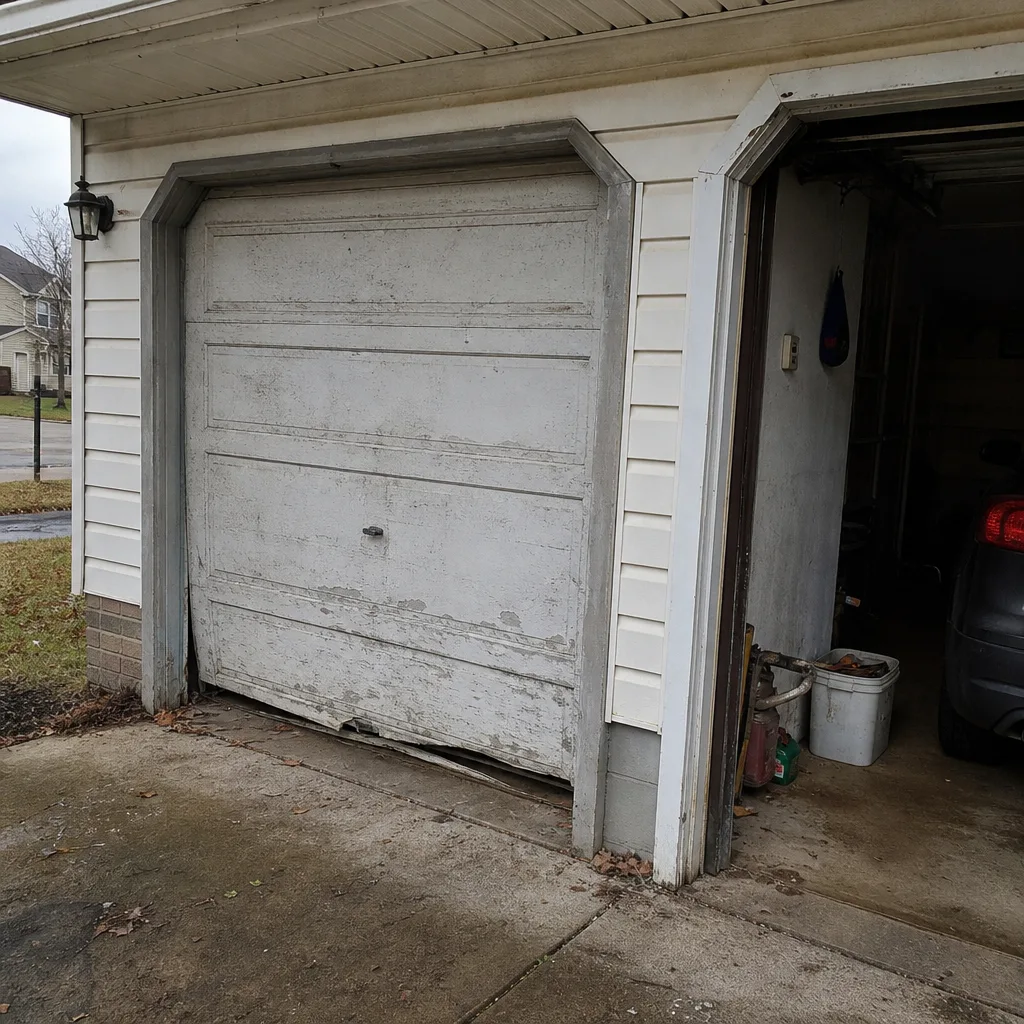
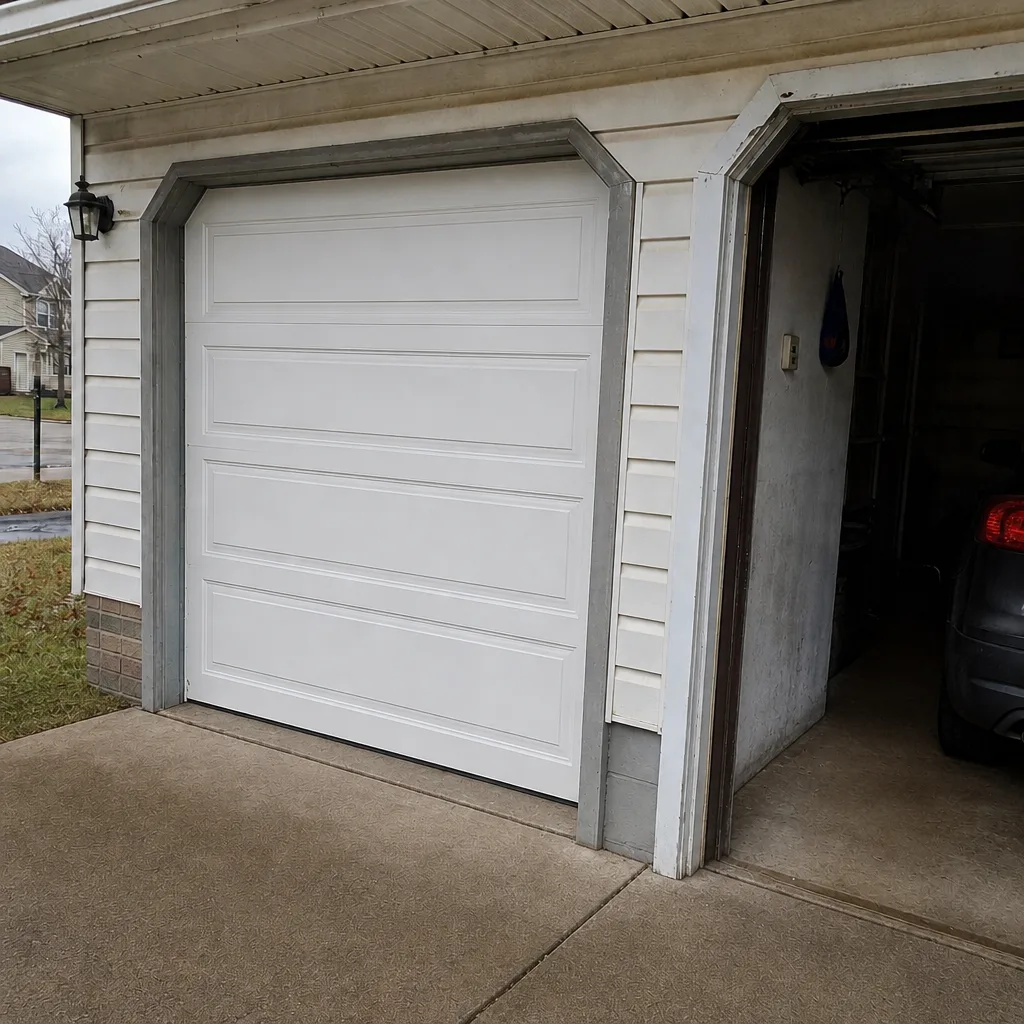
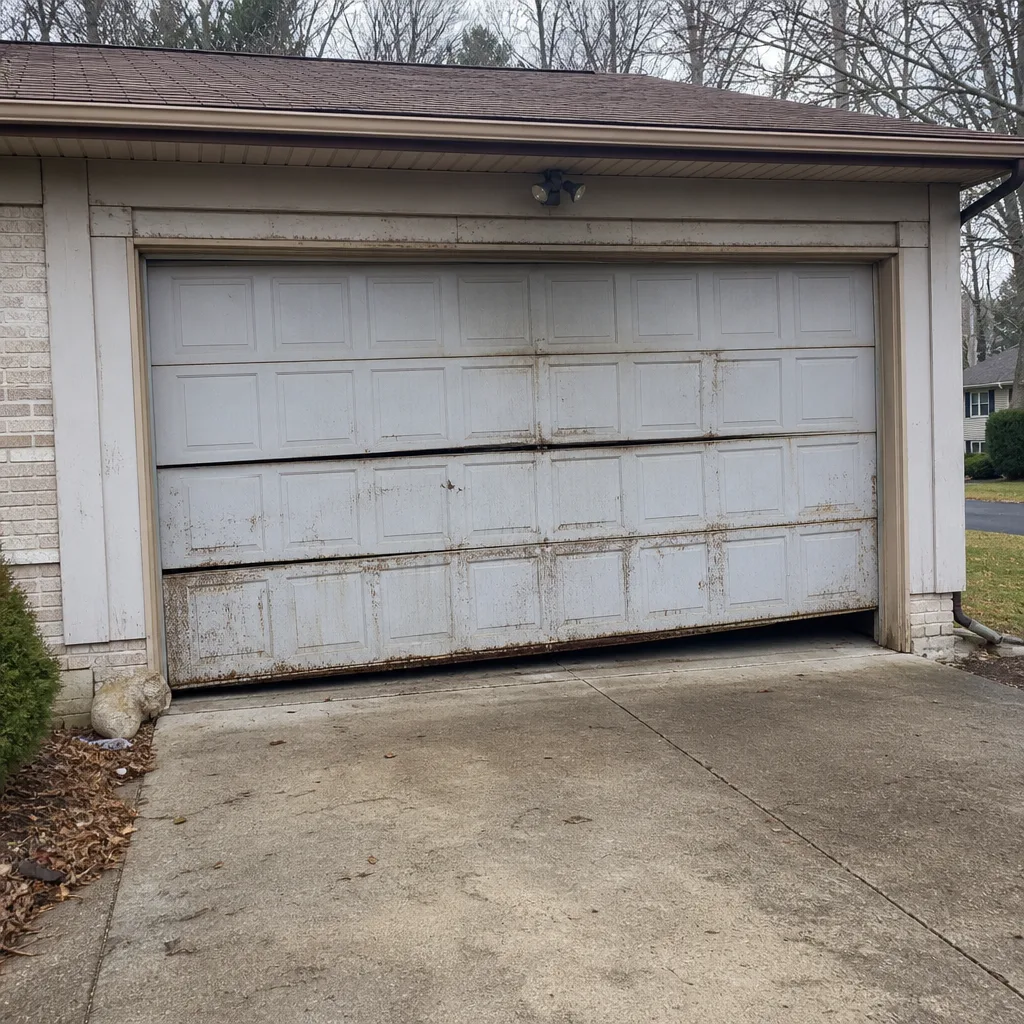
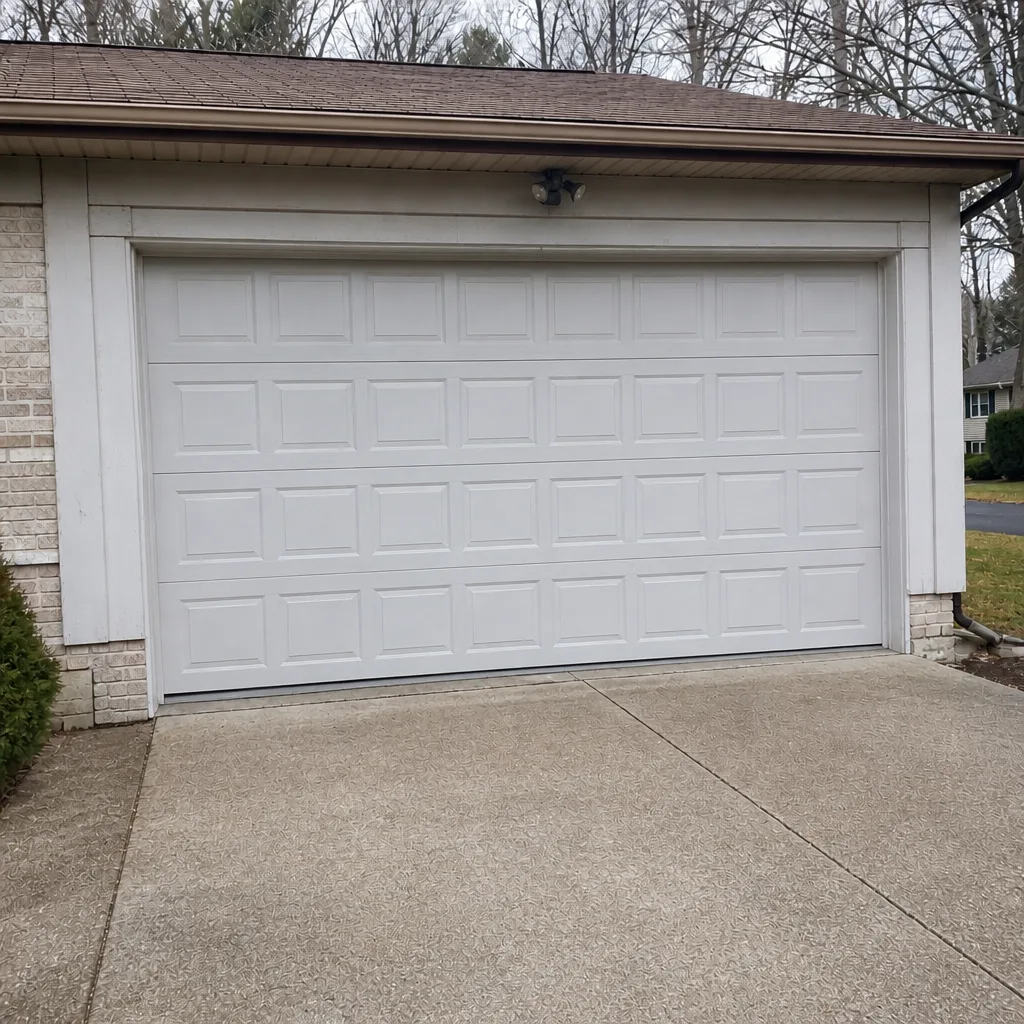
See the difference
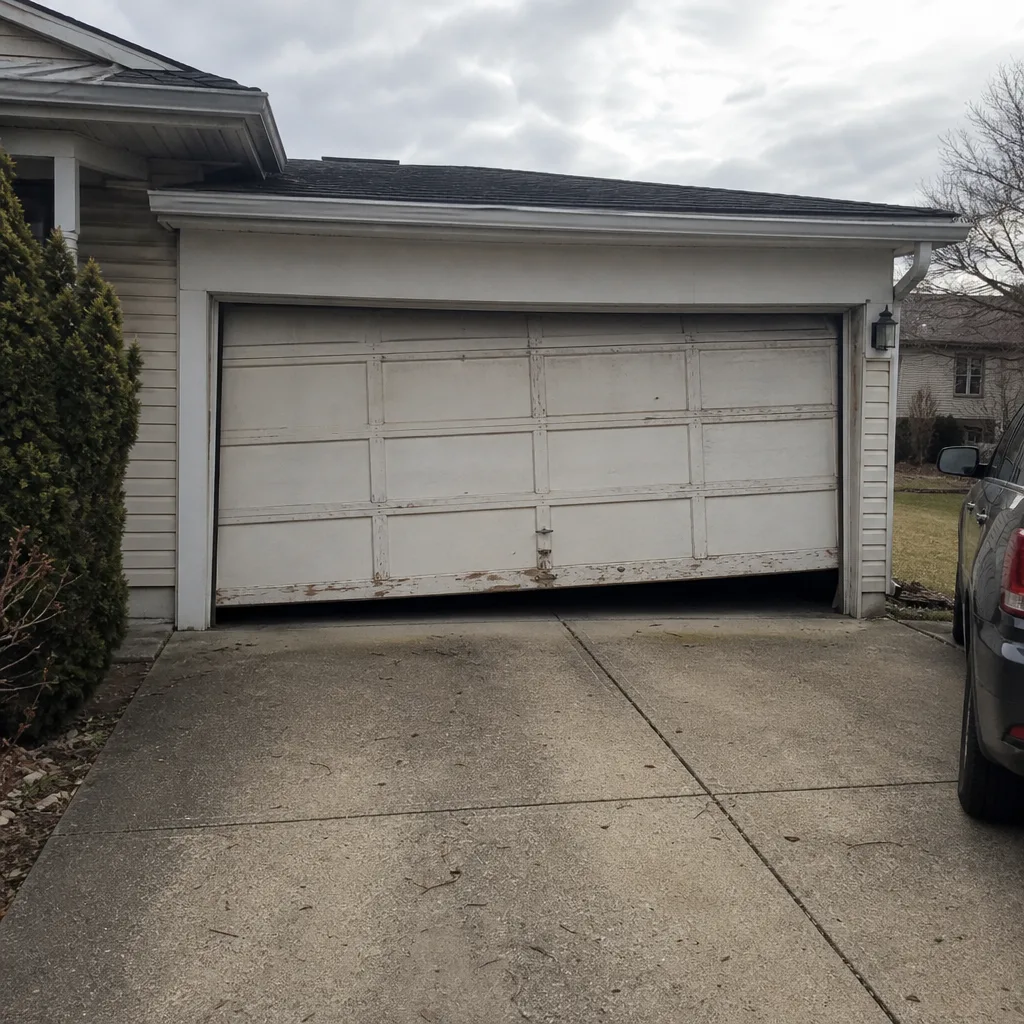 Before
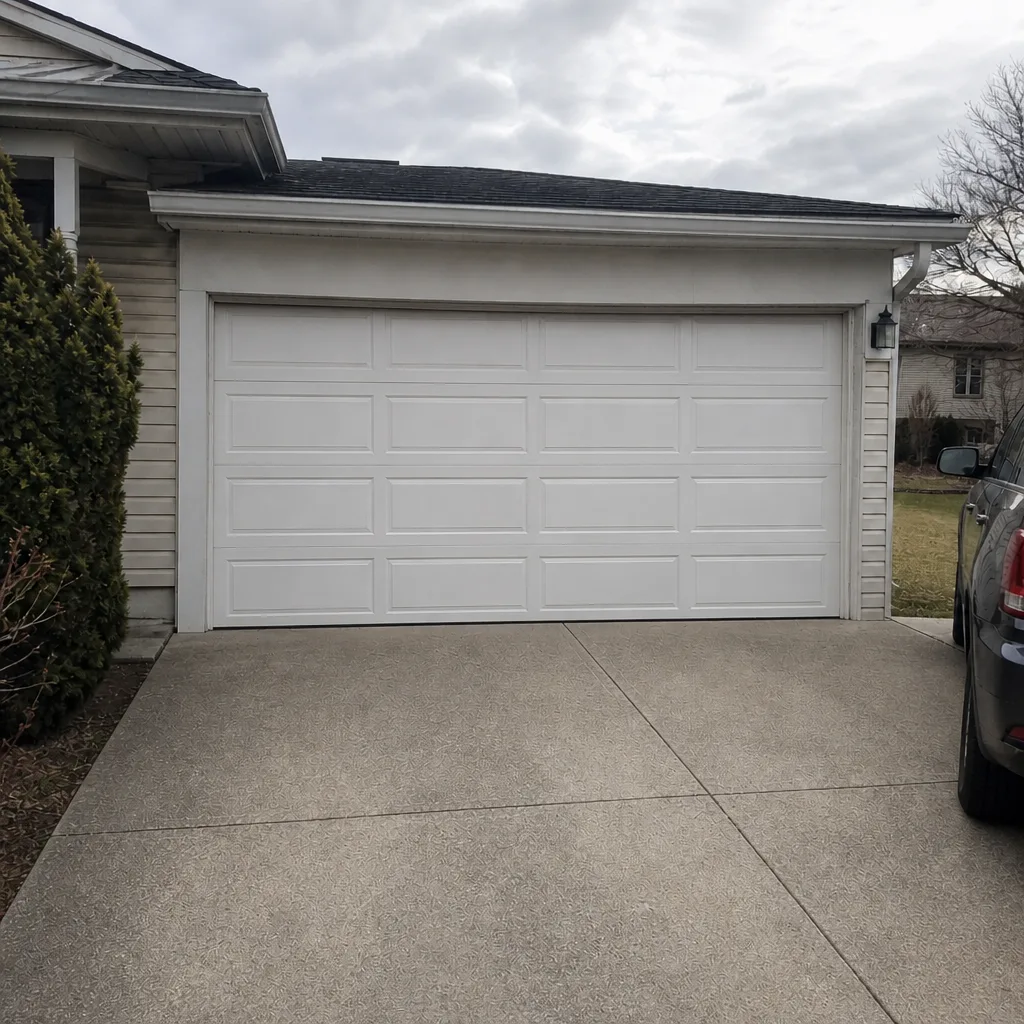 After
 Before
 After
 Before
 After
When to Call a Professional
Call a professional the moment the door is unsafe or unpredictable. That means a door that won’t lift or won’t stay down, a door hanging crooked, a snapped spring or a slack cable, an opener that reverses unpredictably or won’t respond, or a door that will not secure when it’s closed. Those aren’t maintenance items, and operating the door can make them worse. A door that’s simply noisy or slightly binding is a good reason to schedule a check before it becomes an emergency. Garage Door Repair Cranberry offers free estimates in Cranberry Township – call (855) 658-4219. We offer emergency garage door service built for the moment a door won’t open or won’t close, fast dispatch from 7am to 7pm, and every job is quoted and agreed before any work starts, so the price you’re given is the price you’ll pay.
Frequently Asked Questions
Broken springs top the list, closely followed by opener failures and worn bottom seals. The freeze-thaw cycling in Butler County speeds up seal wear and accelerates finish problems on steel doors, so those two show up more here than a national average would suggest. Call (855) 658-4219 for an exact quote – estimates are free.
Spring repair typically runs $180 – $340 for one spring, and a matched pair costs about twice that because pairs are usually replaced together. The written estimate you receive sets the final price, and that’s quoted and agreed before work starts. Call (855) 658-4219 for an exact quote – estimates are free.
Yes. We offer emergency garage door service built for urgent situations, with fast dispatch from 7am to 7pm. When your door won’t move, neither should your day. Call (855) 658-4219 and we’ll get you scheduled.
No. The written estimate is the price, and we quote and agree it before any work begins. If we find something the initial estimate didn’t cover, we discuss it with you before doing that work, not after. Call (855) 658-4219 for an exact quote – estimates are free.
The local pro is licensed and insured as their state requires, and our technicians have up to 14 years of experience. We work on the brand already on your garage, from LiftMaster and Craftsman to Wayne Dalton and Raynor, so the right parts go in for your specific model. Call (855) 658-4219 to schedule.
In most Cranberry Township developments with an association, yes. Read your architectural guidelines before you order anything, then submit the manufacturer, model, and color for review. A specialist can supply that documentation from the door manufacturer, which usually makes the process smoother. Call (855) 658-4219 if you’re unsure where to start.
The Bottom Line
Your Cranberry Township garage door is doing more work than a generic guide will tell you. It’s fighting freeze-thaw cycles that wear seals and finishes faster than national averages suggest, it has to clear an HOA review in much of the township, and it’s usually part of the thermal envelope of an attached home. Get the HOA question settled before you order. Choose an insulated steel or carriage-house door if you’re replacing. Repair springs and openers with a specialist rather than a generalist. And always get a written, itemized price before work starts. Our technicians have up to 14 years of experience on the brands already on Cranberry Township garages, and we handle everything from opener remote to full door replacement – one call covers it.
Call Garage Door Repair Cranberry at (855) 658-4219 for a free estimate in Cranberry Township. Free estimates, upfront pricing, emergency service for stuck doors, and a written quote agreed before any work begins.
Written by the team at Garage Door Repair Cranberry.