Last updated November 23, 2026
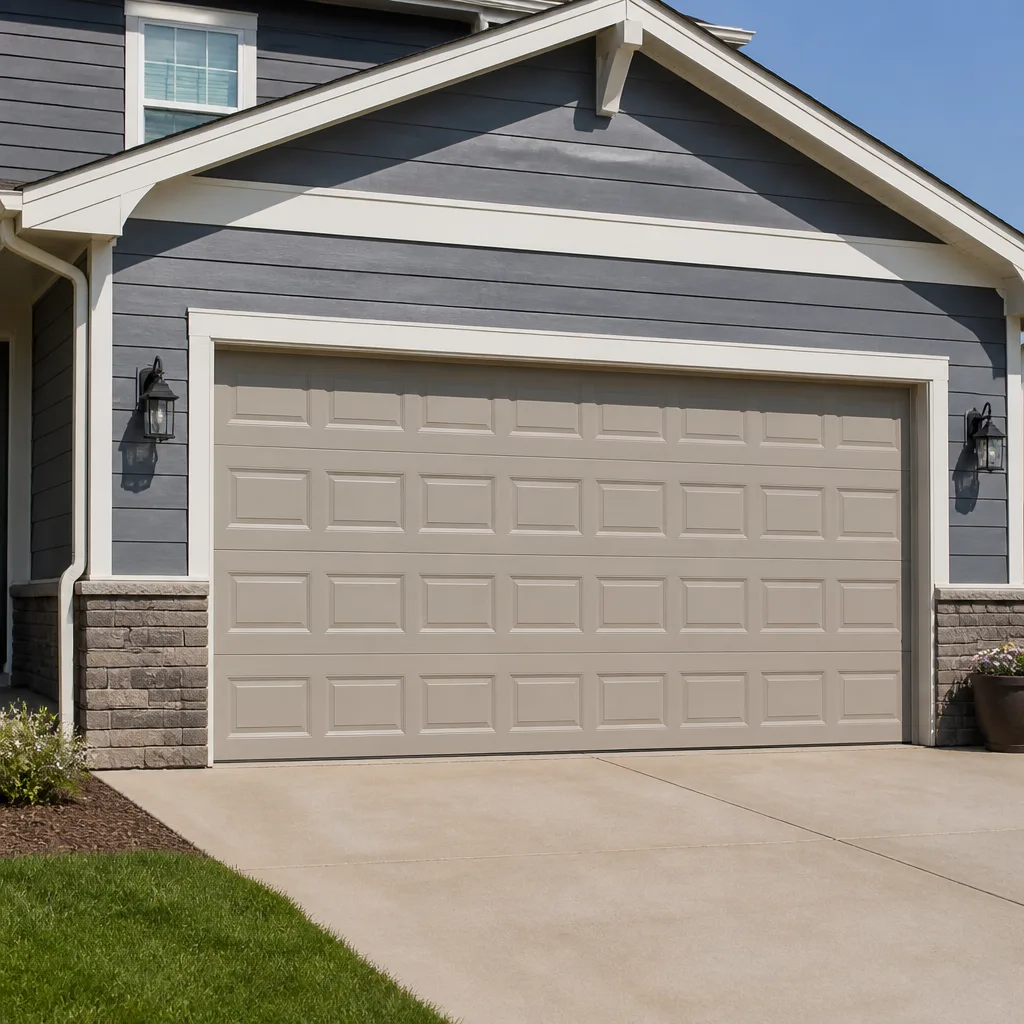 Raised-panel steel
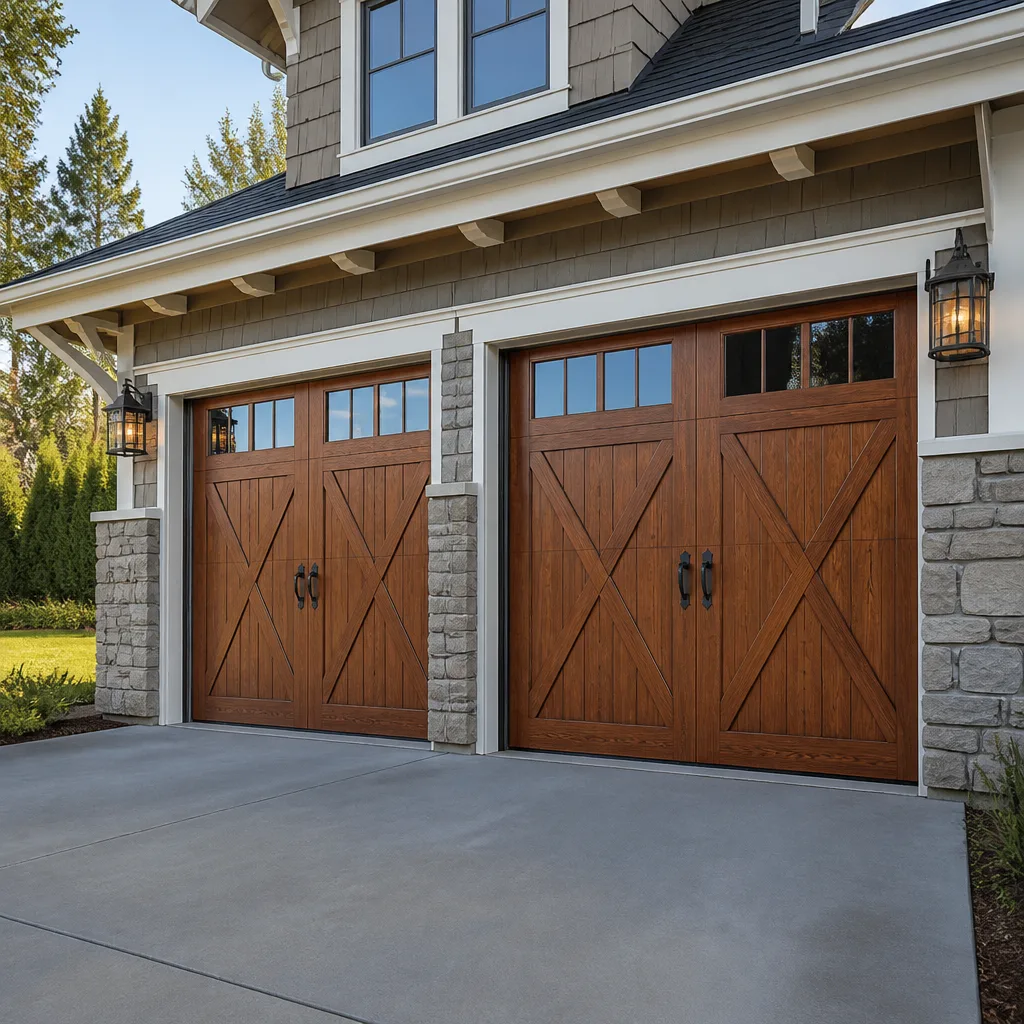 Carriage house
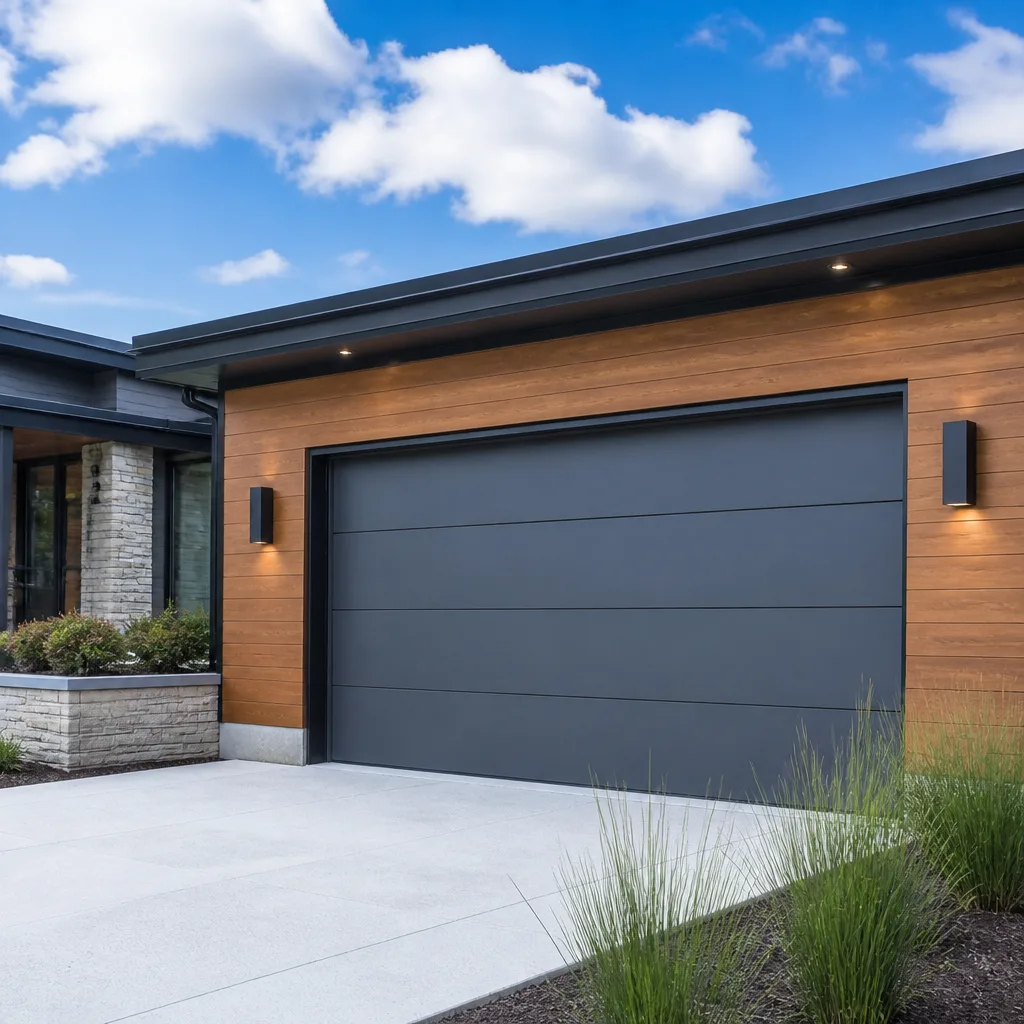 Modern flush
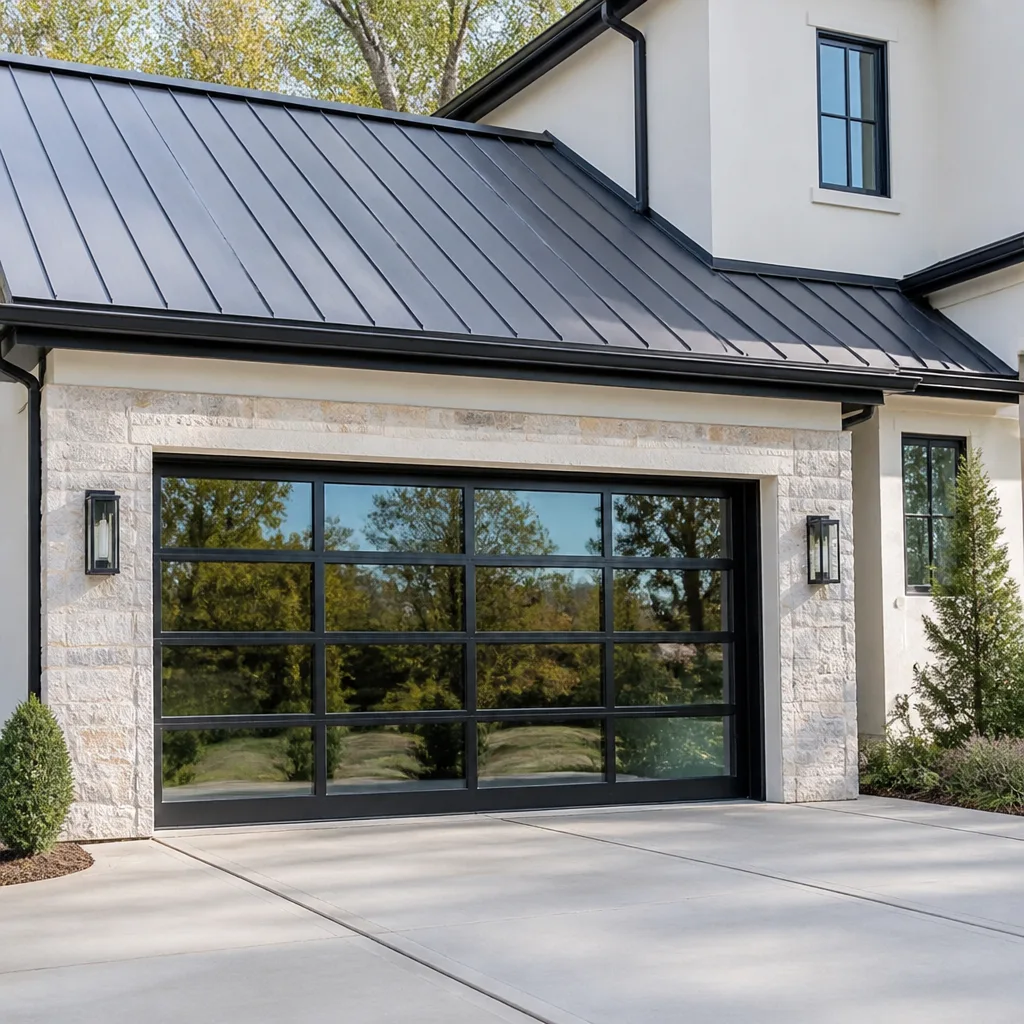 Full-view glass
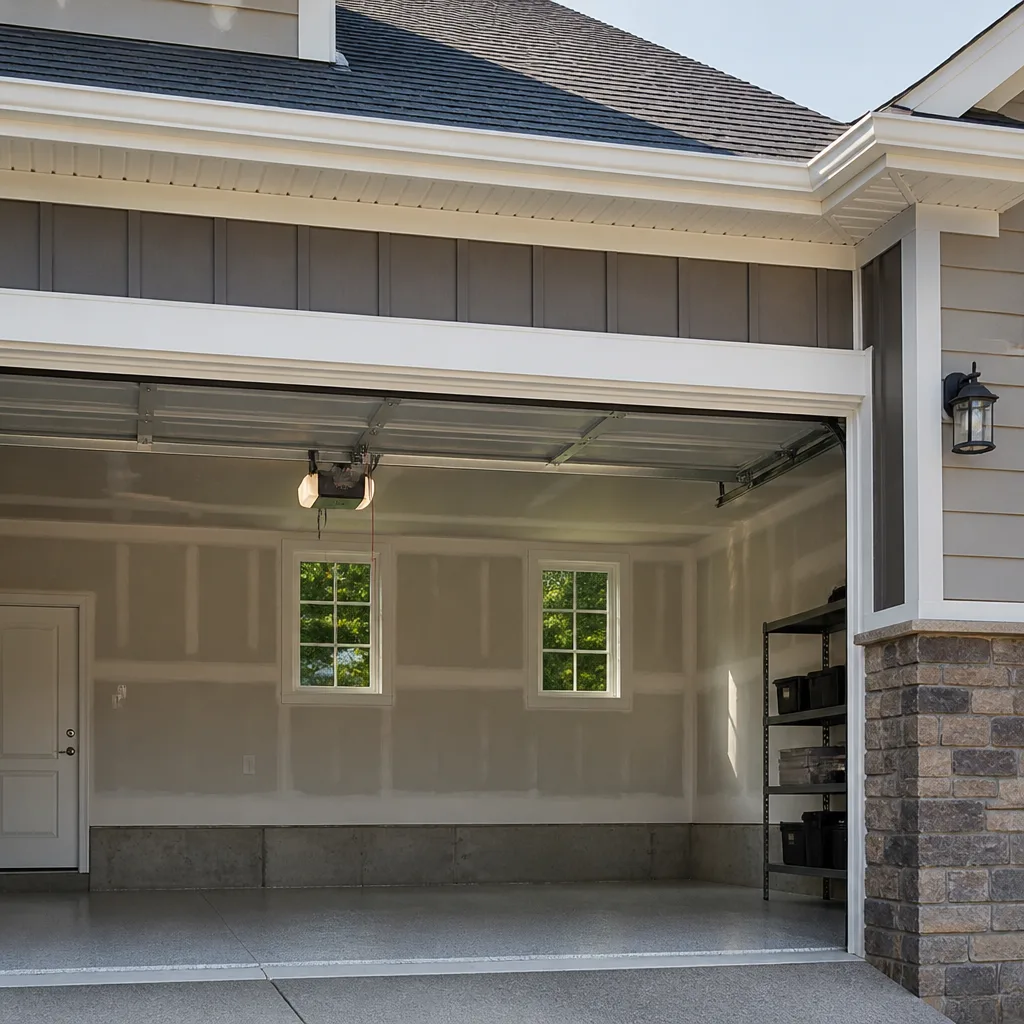 LiftMaster openers
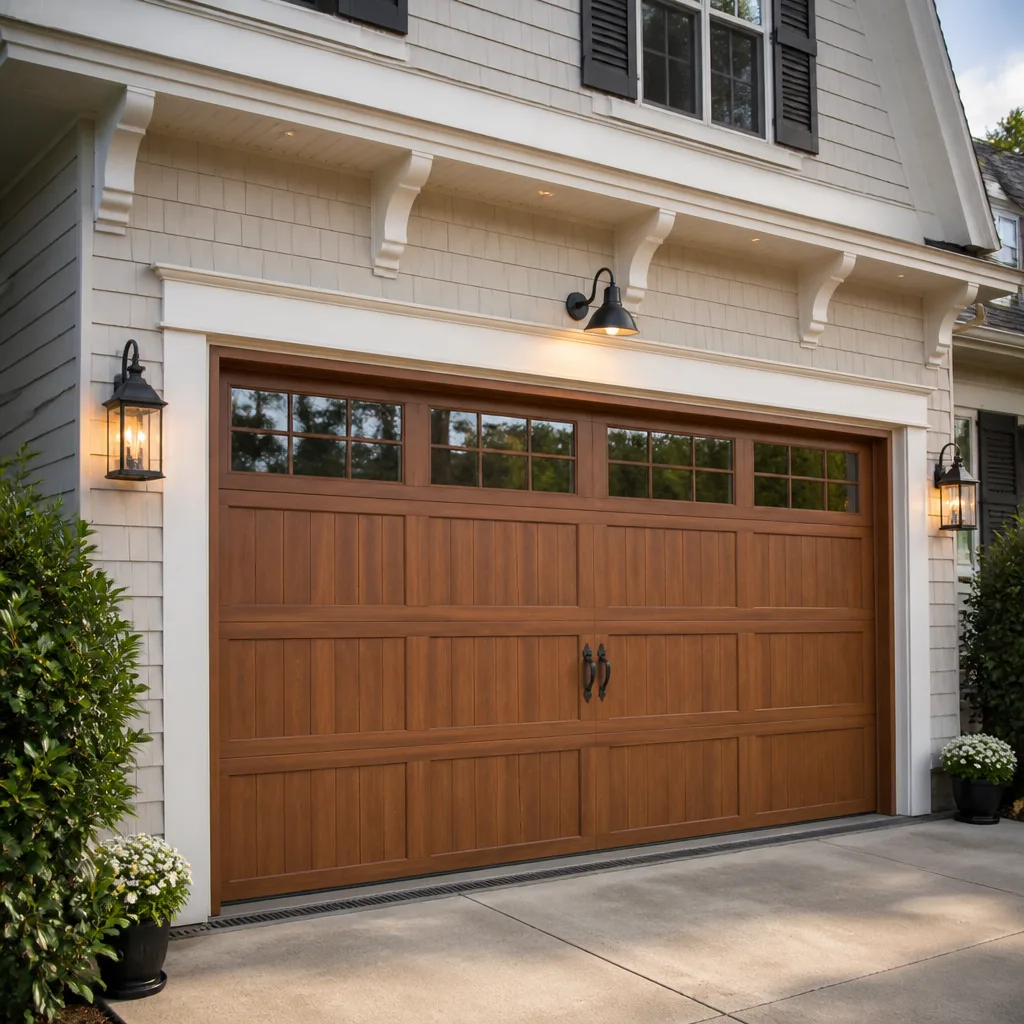 Chamberlain openers
Full 25-point door and opener safety check with every visit - springs, cables, rollers, tracks, and your LiftMaster or Chamberlain opener included
You get a price before we start. It does not change when the pro arrives.
Get your free estimateChoosing the Right Garage Door Brand: A Buyer’s Guide for Cranberry Township
Clopay, Amarr, and Wayne Dalton all build good garage doors. So the question isn’t really which brand is best. It’s which brand’s warranty, insulation specs, and parts network fit your specific garage: a north-facing door on a Pittsburgh-suburb lot, an attached garage you heat through the winter, and a LiftMaster opener already bolted to your ceiling. Brand loyalty in this industry is mostly marketing. What actually protects your investment is matching the door to how you use it and what’s already wired up in the house. In this guide, we’ll walk through the comparisons that matter for a Cranberry Township home, the specs worth checking, and the details manufacturers tend to leave out of the brochure.
Quick Answer
For most Cranberry Township homeowners, the right garage door brand comes down to three things: whether the insulation R-value suits an attached garage, whether the brand’s hardware and panels can be replaced locally, and whether the door pairs cleanly with the opener you already own (usually LiftMaster, Chamberlain, or Genie). Clopay, Amarr, and Wayne Dalton tend to win on those points for this market, but the best fit varies by door style, budget, and sun exposure. Start with your opener and exposure, then pick the door – not the other way around.
Styles & brands we work with
- Raised-panel steel
- Carriage house
- Modern flush
- Full-view glass
- LiftMaster openers
- Chamberlain openers
Table of Contents
- Side-by-Side Comparison: Clopay, Amarr, Wayne Dalton, and Raynor
- Why Your Opener Should Drive the Brand Decision
- Insulation R-Value: What Makes Sense in Cranberry Township
- The Parts Availability Reality Five Years Down the Road
- Reading Brand Claims Against Third-Party Data
- A Step-by-Step Way to Evaluate Any Door Brand
- Common Mistakes to Avoid
- When to Call a Professional
Side-by-Side Comparison: Clopay, Amarr, Wayne Dalton, and Raynor
The four brands most often installed through garage door specialists here – Clopay, Amarr, Wayne Dalton, and Raynor – all have solid reputations. What separates them isn’t whether the door works. It’s what happens in year three, when a panel is dented, a hinge wears, or a section of glass cracks. The table below summarizes the metrics that actually matter when you’re shopping in Cranberry Township.
- Clopay – Widest range of insulation options, including high-R-value polyurethane models. Strong dealer support, so panel and hardware replacement tends to go smoothly. If you want a premium insulated door on an attached garage, this is usually the first brand we’d point you toward.
- Amarr – Broad style range and generally competitive steel construction. Insulation tiers are clear enough for a homeowner to compare without a decoder ring. Good fit for a mix of looks and efficiency.
- Wayne Dalton – Well-known for its flush-panel looks and lighter-weight door options. Parts availability is generally reliable, though some proprietary components need to come through the dealer network.
- Raynor – Solid, no-frills construction with a reputation for durability. A sensible choice if you want a dependable, predictable door rather than a design statement.
None of these brands is “the best.” A $1,600 range Clopay and a $1,600 range Wayne Dalton will both keep rain out and both raise when you press the button. The right pick depends on your opening size, whether the garage is attached or detached, and how much you care about matching your home’s siding and roofline.
Warranty terms, briefly
All four brands publish multi-tier warranties that separate hardware, sections, and finish. What matters is whether the warranty transfers to a new homeowner (relevant if you plan to sell), whether it covers delamination of the surface on a steel door, and whether it covers rust from the inside out. Ask specifically about the finish warranty rather than the headline number. A “limited lifetime” frame warranty doesn’t help if the section warranty expires in five years.
Style and exposed exposure
In Cranberry Township, doors on south- and west-facing garages catch a lot of summer sun. That sun hits a painted steel face on a way that shows fading, hazing, and paint wear faster than on shaded sides. A light-colored door or one with a more durable finish layer usually holds up better on the exposed side of the house. If your garage faces west, mention that to whoever you buy from.
Why Your Opener Should Drive the Brand Decision
Homeowners usually pick the door first and worry about the opener second. That’s backwards. The opener is the piece of hardware doing the actual work every day, and most garages in Cranberry Township already have a LiftMaster, Chamberlain, or Genie unit on the ceiling. If the new door is heavier, thicker, or taller than the old one, the opener has to be rated to lift it. The wrong pairing shows up as a door that reverses mid-travel, strains the opener motor, or never sits flush.
How to check compatibility before you buy
- Identify your opener’s make and model. Look for a label on the back of the motor unit or inside the operator head. The brand (LiftMaster, Chamberlain, Genie, Craftsman) is usually printed there, along with a model number.
- Check the lift rating. If the opener is rated for a certain door weight and your new door is heavier, the opener needs to be upgraded. This is one of the most common compatibility mistakes we see.
- Match belt, chain, or screw drive. A belt-drive opener is quieter but less forgiving of a heavier door. If you’re moving from an aluminum door to an insulated steel door, a chain drive may make more sense.
- Confirm the safety sensors and wall console are compatible. A new door with a different safety-reverse system may not pair cleanly with an older opener’s sensors.
- Look at smart-opener compatibility. If you use a smart app (myQ on LiftMaster/Chamberlain, or the Genie app), confirm the opener you’re keeping will still support the door you’re buying.
This is why we treat garage door opener repair and door brand selection as one conversation. If a homeowner is replacing a door, we check what the opener can handle before recommending a specific brand. If the opener is going too, we look at brand-to-brand pairings that are known to work well – and steer away from pairings that fight each other.
Legacy openers, new doors
Cranberry Township has plenty of older homes where the opener came with the house. A Craftsman or Genie unit from decades back may still run, but its force adjustment and safety reverse may not be able to handle a modern insulated door. In those cases, the door choice is fine; the opener should be addressed. We’d rather tell a homeowner to plan for a new opener before ordering a door than after.
Insulation R-Value: What Makes Sense in Cranberry Township
Insulation R-value is the resistance of the door to heat flow. Higher R-value means the garage stays warmer in winter and cooler in summer. That matters much more for an attached garage than a detached one, because an attached garage shares at least one wall with the house. In a Cranberry Township winter, an uninsulated attached garage becomes a cold transfer zone that works its way into the room next to it. On a detached garage that isn’t heated, a lower R-value door is usually plenty.
What spec to aim for
- Uninsulated single-layer steel – Fine for a detached shed or unheated garage. Not what we’d choose for an attached garage you use every day.
- Two-layer steel with polystyrene or polyurethane – A practical middle ground for attached garages. Reasonable R-value at a moderate cost.
- Three-layer sandwich construction with polyurethane – The best insulated option, with the highest R-values in the Clopay lineup and comparable models from other brands. Worth considering if the room above or beside the garage is living space.
As a rough rule for this market: if the garage is attached and the door faces the winter wind, aim for the mid-to-high end of the insulation tier. If it’s a detached, unheated garage, you don’t need to pay for premium insulation to see a benefit.
A note on manufacturers’ R-value claims
Manufacturer R-value numbers are calculated on the door section, not the whole assembled door with its seams, glass panels, and weatherstripping. Real-world performance is usually lower. Use the published R-value to compare tiers within the same brand, not to expect that number to show up on a thermal camera at the seams. What you actually feel in the garage is the combination of insulation, weatherstripping, bottom seal, and threshold condition – not the R-value alone.
The Parts Availability Reality Five Years Down the Road
Here’s a scenario we see regularly: a homeowner picks up an off-brand or inexpensive door from a big-box store, and five years later a panel gets dented by a bike or a car door. The panel isn’t stocked anywhere locally. The manufacturer has moved on from that finish color. You’re facing a choice between repairing a door you can’t source parts for, or replacing the whole thing.
The brands we work with – Clopay, Amarr, Wayne Dalton, Raynor, plus the opener brands LiftMaster, Chamberlain, Genie, and Craftsman – have dealer networks that make replacement parts a phone call, not a hunt. That’s the real insurance against a five-year parts headache. It’s not about which manufacturer advertises the loudest. It’s about which one still makes the hardware for the door you own.
What to ask before you buy
- “Can you source a replacement panel for this door in X years?” Ask it directly. A good specialist will know which brands hold parts and which don’t.
- “Is the finish color still in production?” Some finishes are discontinued within a few model years. Neutral colors hold up better.
- “What’s the warranty on parts specifically?” Sections, hardware, and springs usually have separate terms.
- “Where do the springs and hinges come from?” If they’re proprietary to the brand, future repair means going through that brand’s network.
Springs are worth a separate mention. A snapped torsion spring is one of the most common failures we see, and it’s also one of the most dangerous jobs on a garage door. If you want to understand why, our guide to garage door spring repair covers how these springs are loaded and what a trained technician checks. Part of buying the right brand is picking one whose spring and hardware tolerances are known and serviceable in your area.
Reading Brand Claims Against Third-Party Data
Every brand’s website says its doors are built to last and engineered for performance. That’s not a claim you can act on. Third-party test data, trade publications, and dealer feedback are better sources. Here’s how to read the marketing against reality.
- Wind load ratings. If your door faces an open lot or a wind-prone exposure, look for a brand-specific wind-load rating rather than a general “wind resistant” claim. Cranberry Township homes on exposed lots benefit from a door with documented wind-load options.
- Tested R-value vs. marketed R-value. Some brands publish independent lab results; others just print a number on the brochure. Ask which one you’re looking at.
- Section thickness and steel gauge. Marketing doesn’t usually publish gauge. A door with 24-gauge steel is more dent-resistant than one with 27-gauge, and that affects long-term cost of ownership more than the finish.
- Dealer complaints and repair records. A brand with a good warranty but poor local dealer support is a bad brand for you, no matter what its website says.
- Standards compliance labels. Look for the label on the door itself, not just the paperwork. Standards labels from recognized testing bodies tell you the door was tested against a specific load class.
We’ve seen plenty of “premium” doors where the actual build quality didn’t match the price, and a few budget doors that held up beautifully. That’s why we evaluate a brand on what’s measurable: gauge, insulation tier, warranty terms, parts network, and how it pairs with the opener. Manufacturer marketing is the starting point, not the answer.
A Step-by-Step Way to Evaluate Any Door Brand
Whether you’re evaluating a Clopay range, an Amarr model, or a Wayne Dalton option, the checklist is the same. Here’s the sequence that works.
- Start with your opener. Identify the make and model. Note the lift rating. Any door you consider has to work with that, or the opener needs replacing too.
- Decide attached vs. detached. Attached garages deserve the insulation spend. Detached garages usually don’t.
- Measure the opening and note the headroom. Some doors fit a standard opening; a taller door may need different track and hardware. This is where a free measure earns its keep.
- Shortlist two or three brands based on the insulation and style you need. Don’t fall in love with a brand before you’ve checked the local parts network.
- Ask about parts availability out loud. Replacement panels, hinges, rollers, springs, weatherstripping. If the brand can’t supply those in five years, pass.
- Compare warranty tiers and specifically ask about the finish warranty, the section warranty, and whether it transfers.
- Get the estimate in writing. The written estimate is the price. If a quote is verbal, ask for it in writing before any deposit.
Once the brand is picked and the door is measured, the actual install is a scheduled job. It’s a measure, order, and install sequence, not same-day work. That’s normal. The best thing you can do during the wait is make sure the opener and the track are ready to receive the new door. If the opener needs attention first, our garage door opener repair service can be scheduled ahead of the door install.
Common Mistakes to Avoid
- Buying the door before checking the opener. A new insulated steel door can be significantly heavier than the old aluminum or uninsulated one. If the opener is under-rated, you’ll be replacing it soon after. Match the door weight to the opener’s rating first.
- Chasing R-value on a detached garage. High-R polyurethane is worth the money on an attached garage that shares a wall with the house. On a detached, unheated garage, that spend rarely returns anything.
- Ignoring the parts network. A cheap door that can’t be serviced in five years costs more than a moderately priced door that can. Ask who supplies panels and hardware before you commit.
- Picking a brand for its look alone. A door that matches your siding exactly but uses proprietary hardware and a discontinued finish will be a headache the first time it needs repair.
- Skipping the written estimate. Verbal quotes leave room for a surprise invoice. The written estimate should list the door model, opener compatibility notes, and the installation scope.
- Assuming a heavier door will quiet down. A heavier door on the wrong opener can actually make more noise and strain the motor. If quiet is the goal, the opener and door weight need to be matched, not guessed.
- Ignoring spring tolerances. Springs are matched to the door’s exact weight. A door brand that publishes its spring specs cleanly makes future repair easier. It’s not a small detail; it’s the difference between a 30-minute spring swap and a troubleshooting session.
When to Call a Professional
Some parts of this process are DIY-friendly. Picking a door style, checking your opener’s model number, sweeping the garage floor where the door will open and close: those you can handle. Others are not. Springs are under extreme tension, and a mistake can cause serious injury. An opener that’s been wired incorrectly is a shock and fire risk. A door that’s misaligned can come off its track and damage the house. In those situations, hands off. If you’re in Cranberry Township and you’re at the point where the brand choice, the opener check, or the measurement needs a professional eye, that’s the moment to call. Garage Door Repair Cranberry offers free estimates in Cranberry Township – call (855) 658-4219. We’ll walk through the door brand options, check opener compatibility, and give you a written estimate before any work starts.
See the difference
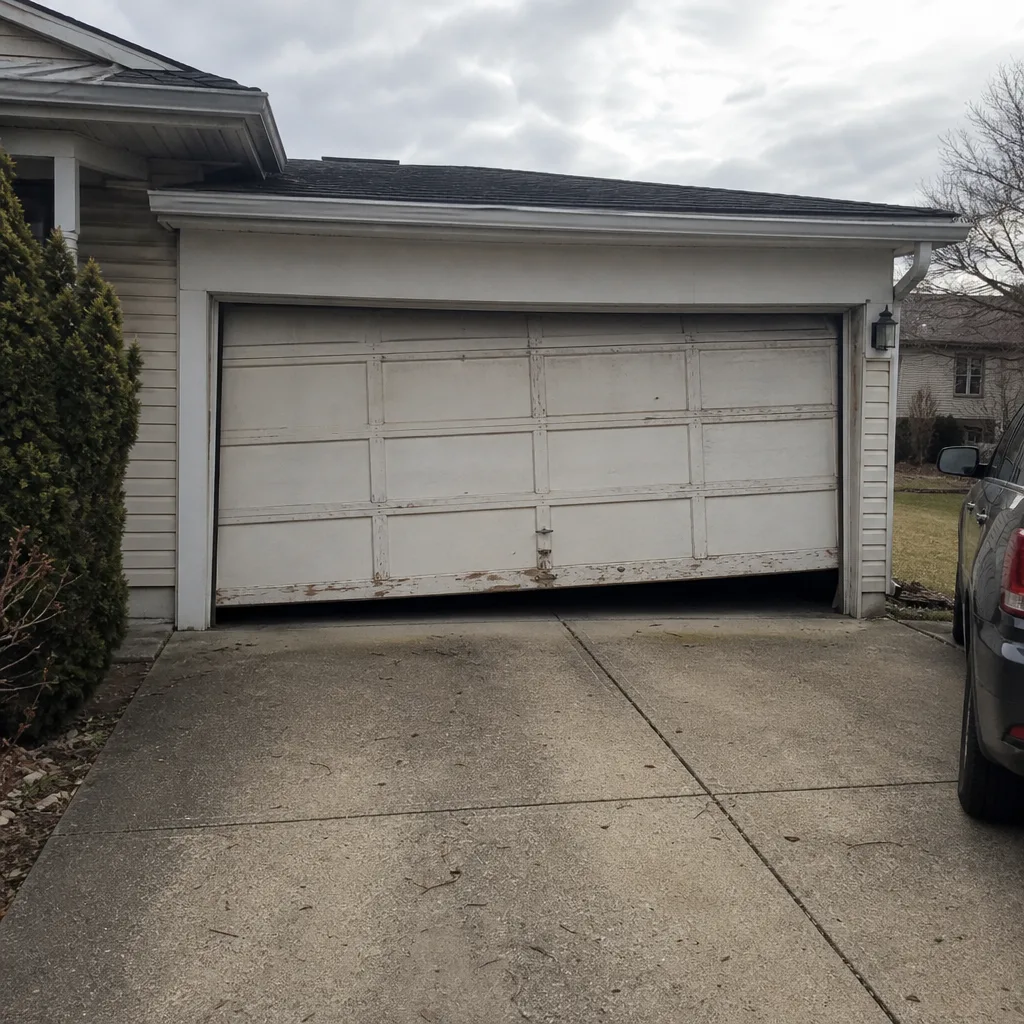 Before
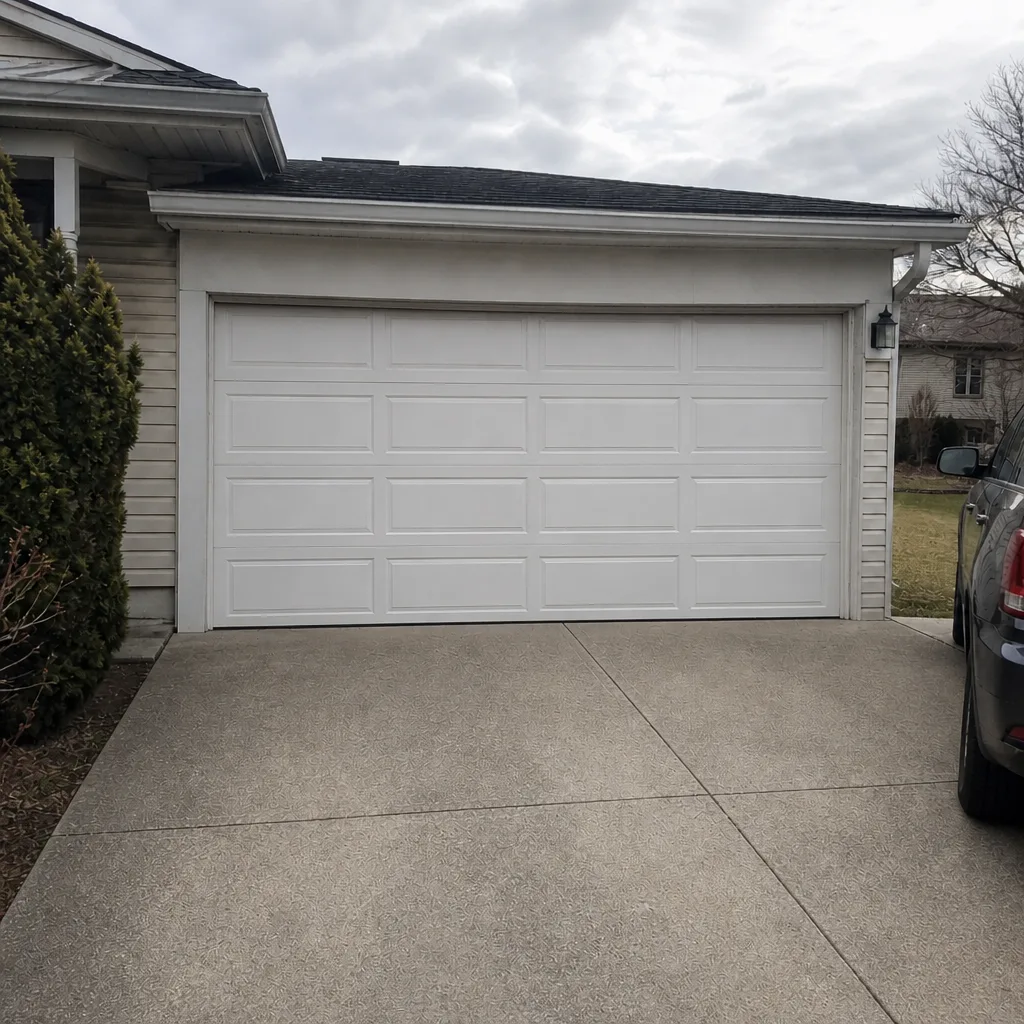 After
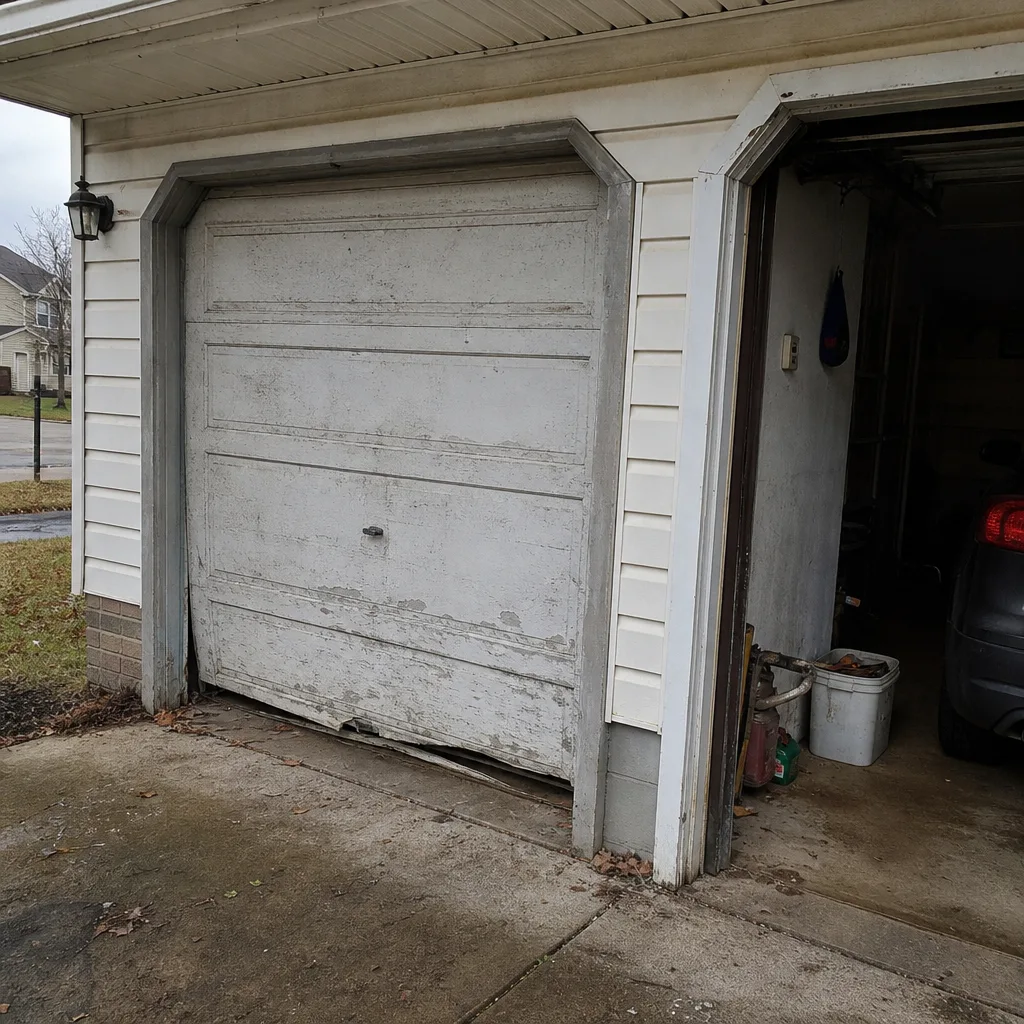 Before
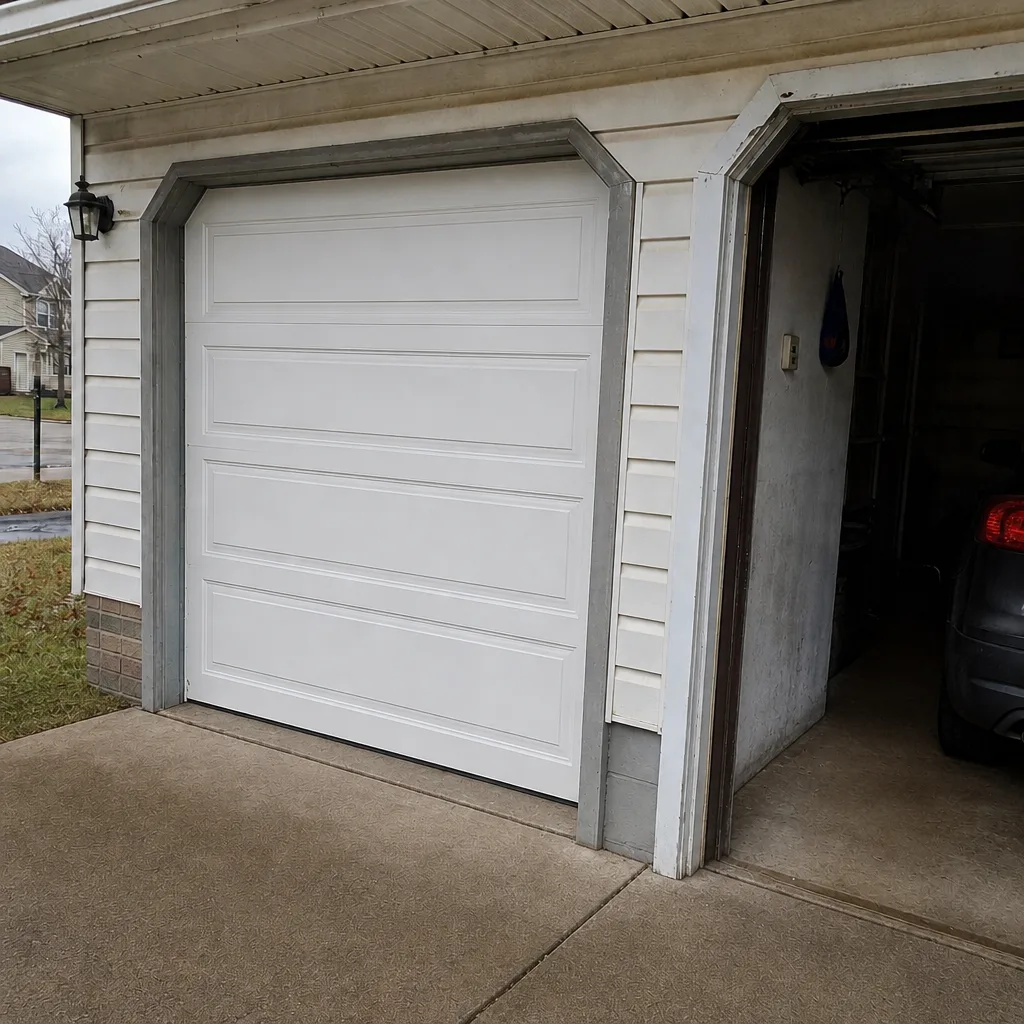 After
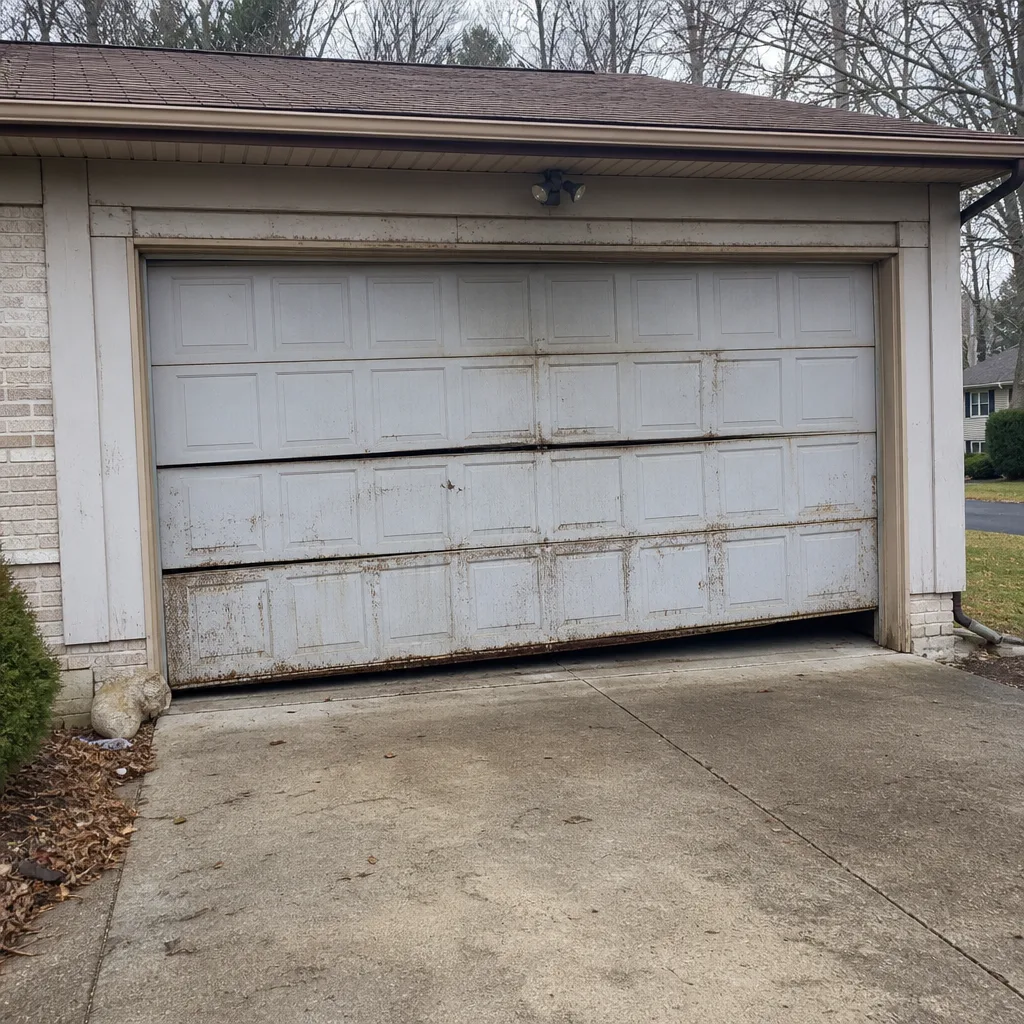 Before
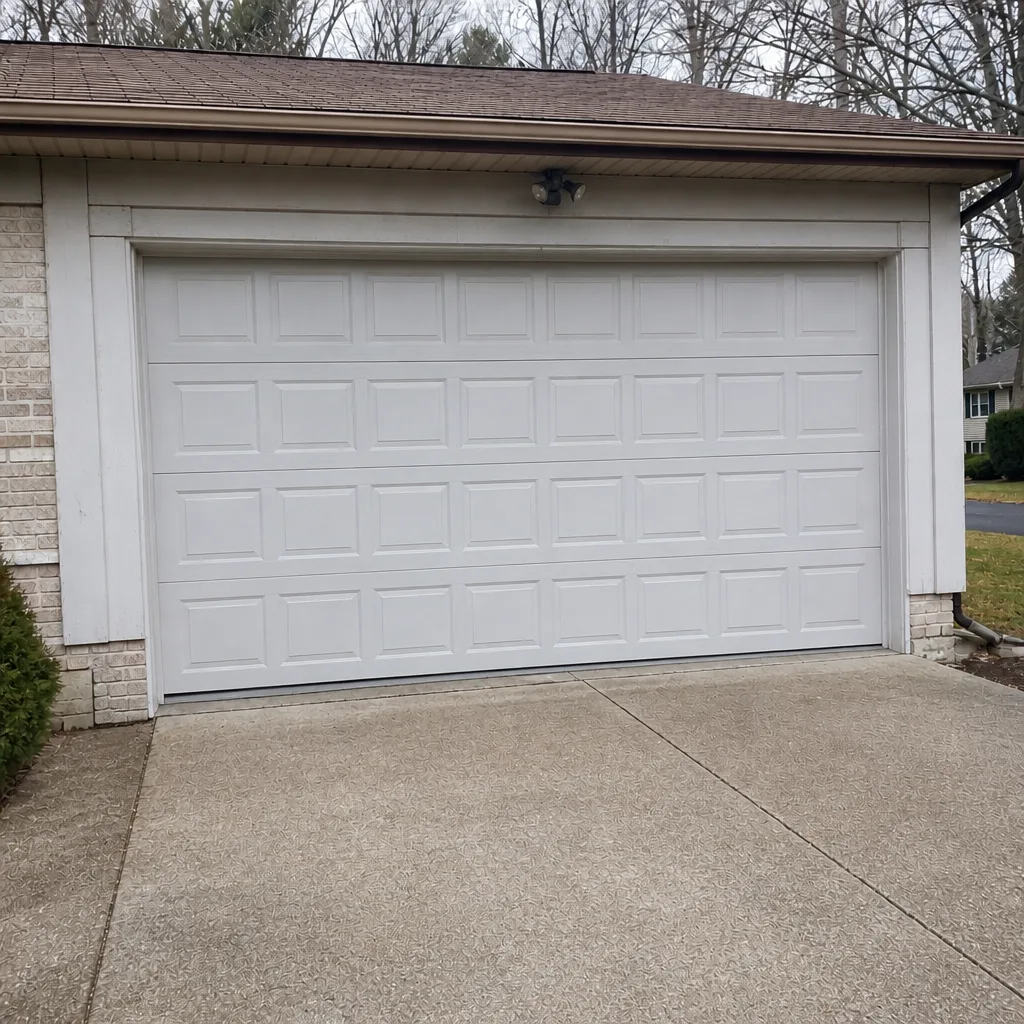 After
Frequently Asked Questions
There isn’t one universal best brand. For attached garages, Clopay, Amarr, Wayne Dalton, and Raynor all make doors with strong insulation options, and the right pick depends on your opener, your exposure, and your style preference. Our recommendation starts with matching the door to your existing opener and your insulation needs, then choosing the brand that fits. Call (855) 658-4219 for a free estimate so we can walk through the options for your specific garage.
Yes, if the garage is attached to the house. An attached garage shares a wall with living space, so an uninsulated door acts as a cold transfer zone in winter. For a detached, unheated garage, insulation is optional. The rough rule: attached garages deserve the mid-to-high insulation tier; detached garages usually don’t.
Usually yes, but only if the opener’s lift rating matches the new door’s weight. A heavier or thicker insulated door can strain an older or under-rated opener, which shows up as mid-travel reversals, noise, or a door that never sits flush. We check opener compatibility before recommending any door brand. Call (855) 658-4219 to schedule a free measure.
It depends entirely on the brand you chose. Clopay, Amarr, Wayne Dalton, and Raynor all have dealer networks that can source a replacement panel, and that’s the real long-term value of buying from an established brand. Off-brand doors and discontinued finishes are where homeowners get stuck. Ask the parts availability question out loud before buying.
Once the door is measured, ordered, and delivered, the install itself is a scheduled job that typically takes a day or less, depending on the door and track configuration. It isn’t a same-day project. The measure happens first, then the order, then the install. Plan for the full sequence rather than expecting a door installed in one visit. Call (855) 658-4219 for a free measure and a written estimate.
We wouldn’t recommend it. The installation involves high-tension springs, track alignment, opener pairing, and safety-reverse testing, and a mistake can cause serious injury or damage. Spring work in particular should always be handled by a trained technician. If you’re considering a new door, the right call is to have it measured and installed by a professional, and to have your opener checked at the same time.
The Bottom Line
Brand loyalty in garage doors is mostly marketing. What actually matters for a Cranberry Township home is fit: matching insulation R-value to whether the garage is attached, matching door weight to your opener’s rating, and picking a brand whose parts network will still be able to supply a panel in five years. Clopay, Amarr, Wayne Dalton, and Raynor all make doors worth considering. Whichever you choose, get the opener checked, get the parts question answered, and get the estimate in writing. If you want help narrowing it down, call Garage Door Repair Cranberry at (855) 658-4219 for a free estimate in Cranberry Township.
Written by the team at Garage Door Repair Cranberry.