Last updated November 23, 2026
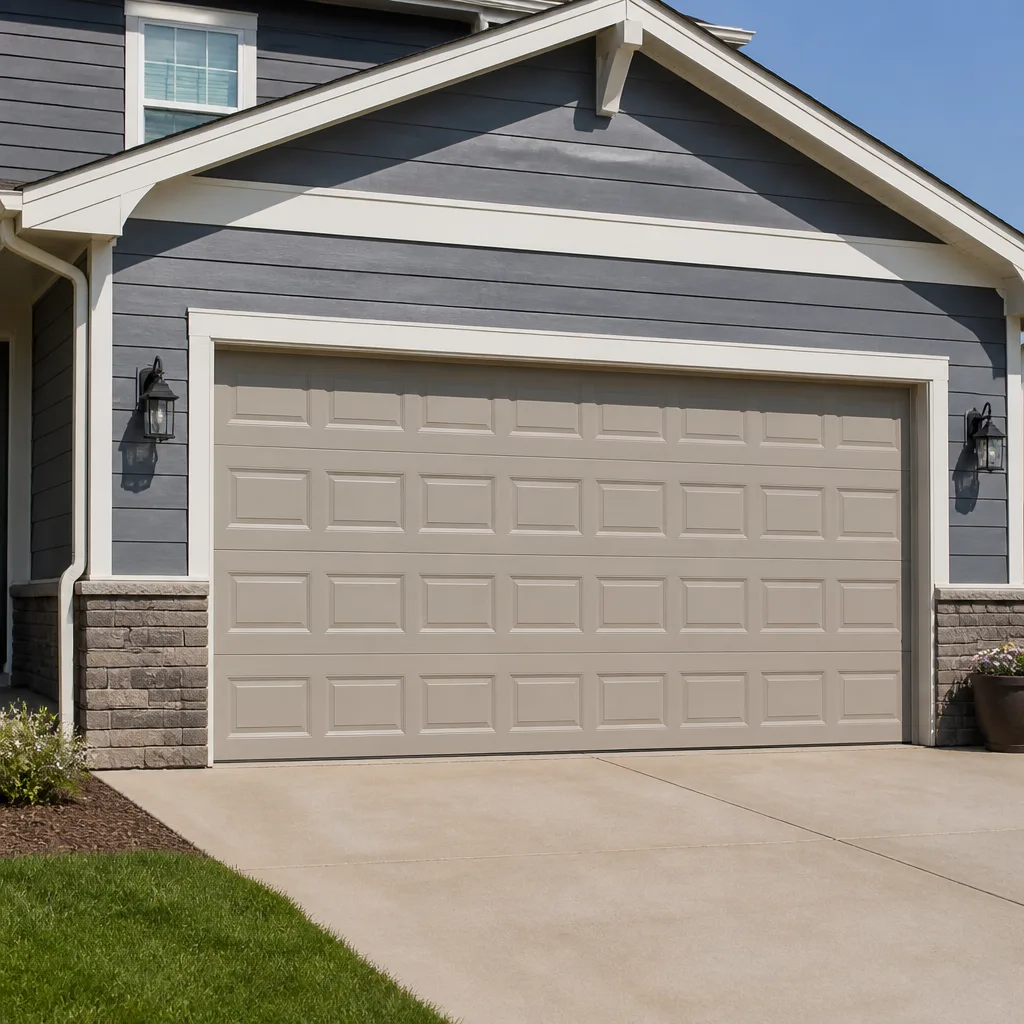 Raised-panel steel
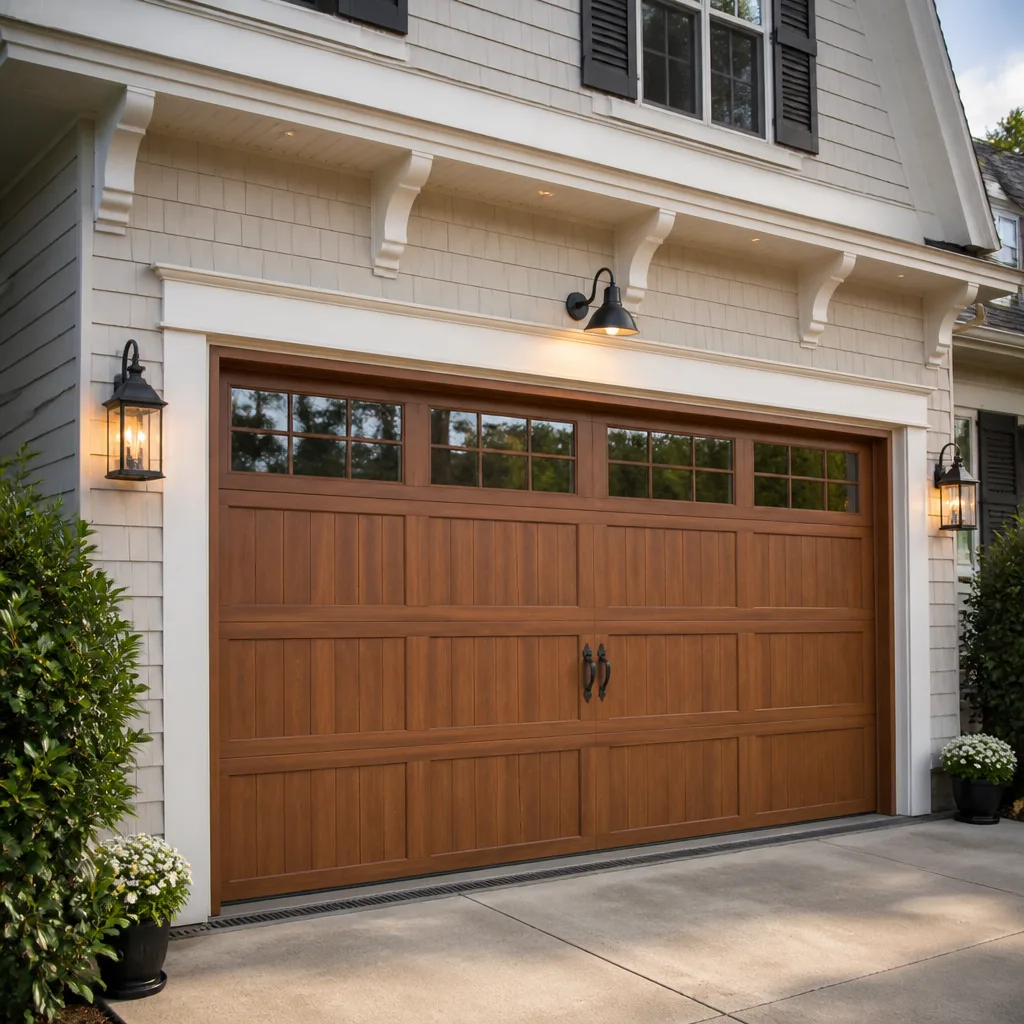
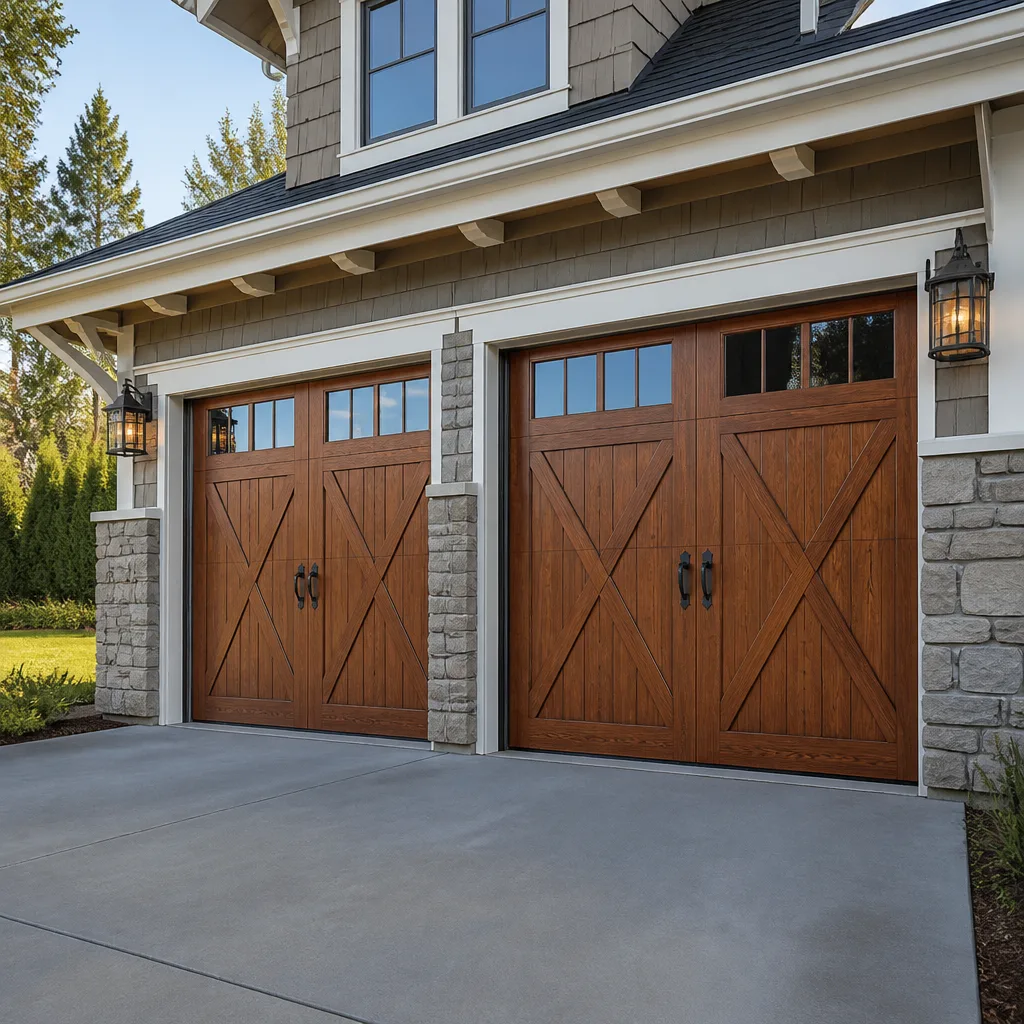 Carriage house
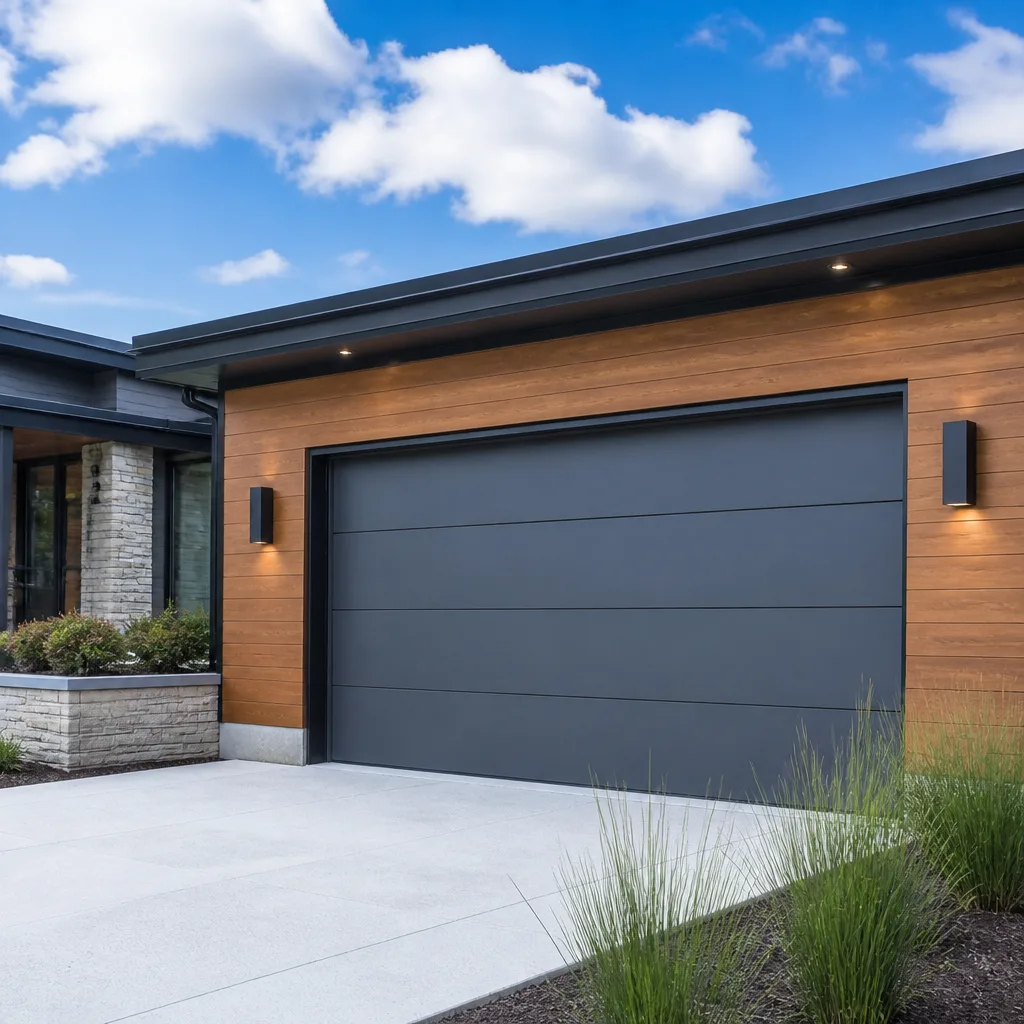 Modern flush
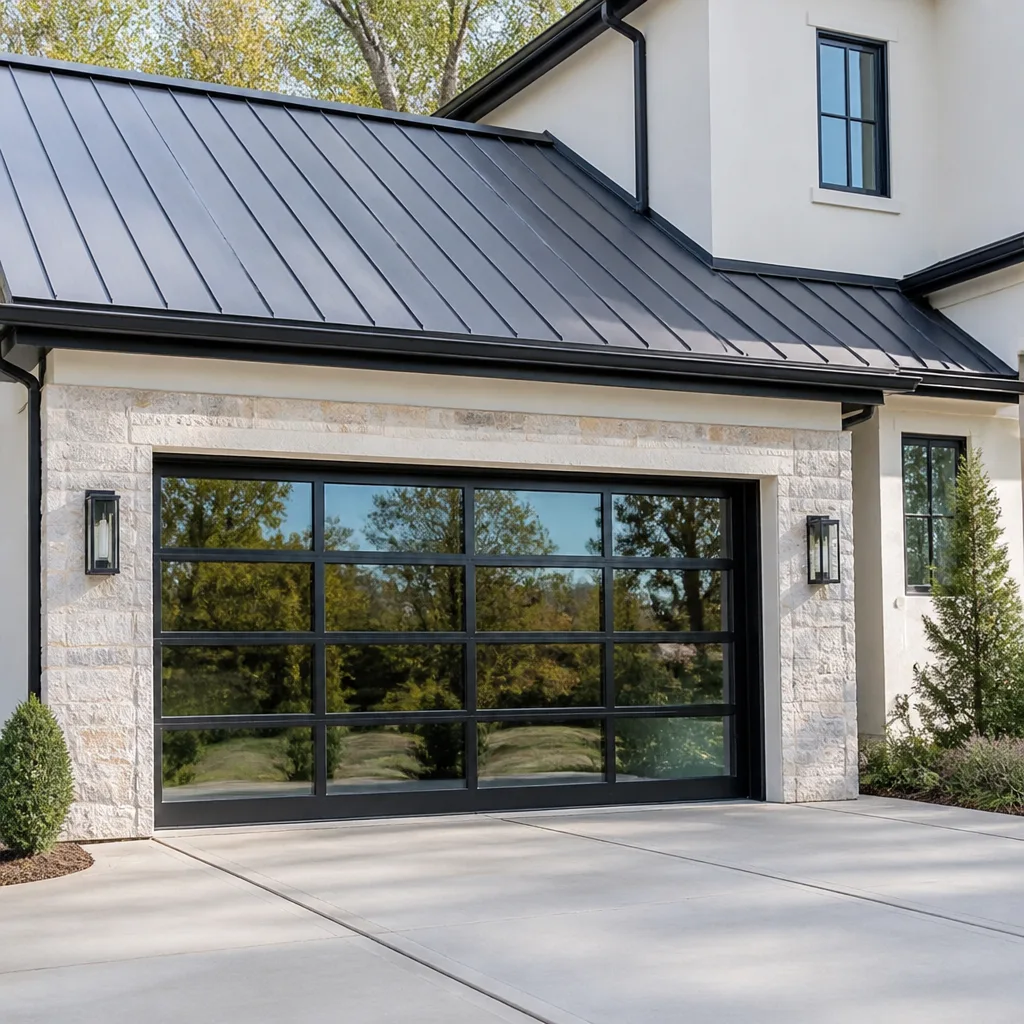 Full-view glass
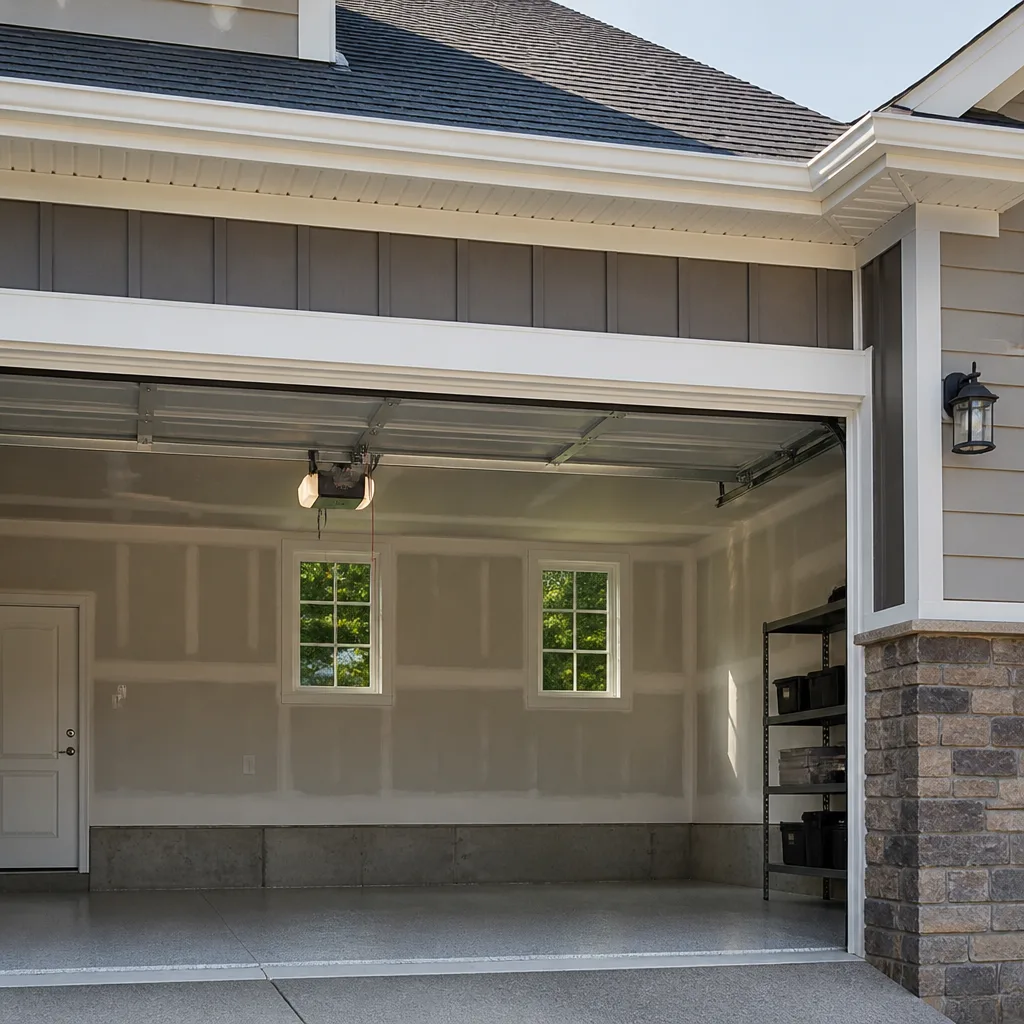 LiftMaster openers
 Chamberlain openers
Full 25-point door and opener safety check with every visit - springs, cables, rollers, tracks, and your LiftMaster or Chamberlain opener included
You get a price before we start. It does not change when the pro arrives.
Get your free estimateGarage Door Repair Troubleshooting in Cranberry Township: Common Problems and How to Fix Them
A garage door that won’t open isn’t one problem. It’s one of at least six distinct problems that look identical from the outside. The door hangs there, the opener maybe hums or maybe doesn’t, and nothing moves. Most Cranberry Township homeowners jump to the opener first, because that’s the part with a remote and a motor, and it’s the part they can see working. But the opener is often just the messenger. Spring, cable, track, sensor, seal, and opener are separate failure points, and guessing wrong costs you a service call, a week without your car, or a repair bill for a part that was never broken. This guide shows you how to isolate the actual failure before you spend a dollar.
Styles & brands we work with
- Raised-panel steel
- Carriage house
- Modern flush
- Full-view glass
- LiftMaster openers
- Chamberlain openers
Quick Answer
Garage door troubleshooting in Cranberry Township comes down to one habit: diagnose the component, not the symptom. Pull the manual release, lift the door by hand, and watch and listen. If the door is too heavy to lift or you hear a loud bang, the spring is the failure. If the door lifts crooked or a cable is hanging loose, it’s the cable. If it binds at one spot, it’s the track. If the door moves fine by hand but the motor won’t drive it, it’s the opener or its safety sensors. Only two of those six are safe to touch yourself.
Table of Contents
- The Component-First Diagnosis Method
- The 60-Second Flowchart: Spring, Cable, Track, Opener, or Sensors
- The Manual Release Test Every Homeowner Should Do First
- Why Pennsylvania Freeze-Thaw Cycles Warp Tracks and Tear Bottom Seals
- What’s DIY-Safe and What’s a Liability Risk
- How Misdiagnosis Costs You the Wrong Repair
- Brand-Specific Quirks: What We See on Cranberry Township Doors
- When to Call a Professional
The Component-First Diagnosis Method
The reason so many garage problems get misdiagnosed is that every broken part produces the same headline symptom: the door doesn’t move. But a garage door is a mechanical system with five moving parts and one brain. Each part fails differently, and each failure leaves a different fingerprint. A trained technician reads the fingerprint in about a minute. You can learn to read most of it too.
Here’s the mental model. Think of the door as a load (the panels), a lifting mechanism (springs and cables), a guide path (tracks and rollers), a control system (the opener and its sensors), and a seal (the bottom weatherstrip). When the door fails, one of those five categories has broken. Your job is to figure out which one before anyone touches it.
What makes this harder in Cranberry Township is the housing mix. The township has a lot of two-car attached garages where the door is the primary entry point for the whole household, so a failure isn’t a minor annoyance, it’s the front door. That means the diagnosis needs to be fast and correct the first time, because you can’t leave the door stuck halfway while you guess.
We work on all eight of the brands most commonly installed across North America: LiftMaster, Chamberlain, Genie, Clopay, Amarr, Wayne Dalton, Craftsman, and Raynor. That range matters for diagnosis, because each brand has its own tolerances, its own cable routing, and its own opener logic. If you know the brand on the door, you already know half of what to check. If you need to start somewhere broader, our Garage Door Repair Cranberry page covers the full range of what we handle.
Key takeaways:
- The door not moving is a symptom, not a diagnosis.
- Five categories of failure: load, lift, guide, control, seal.
- Brand and door type narrow the possibilities fast.
- Diagnosis first, quote second, work third. Never reverse that order.
The 60-Second Flowchart: Spring, Cable, Track, Opener, or Sensors
This is the section most people skip to, so here it is plainly. You can narrow a garage door failure to one of six causes in about a minute using your eyes, your ears, and one hand on the door. Work through these in order.
- Listen and look for a snapped spring. A torsion spring failure makes a sharp bang, and you’ll often find a gap in the coil above the door or a stretched extension spring beside the track. The door will feel very heavy. Stop here if you find it.
- Check the cables. Look at both sides of the door where the cable runs from the bottom corner up to the drum. A loose, slack, frayed, or off-the-drum cable means a cable failure. Stop here too.
- Lift the door by hand to test balance. With the opener released, a healthy door lifts with moderate effort and stays put when you let go halfway. A door that won’t stay put, or that fights you the whole way, points to a spring balance problem.
- Watch for binding at one spot. A door that moves freely until it hits a particular height and then sticks is a track or roller problem, not a spring or opener problem.
- Check the opener logic. If the door moves fine by hand but the motor won’t drive it, or drives it partway and reverses, the problem is in the opener or its safety sensors.
- Test the safety sensors last. If the opener runs only while you hold the wall button but not from the remote, or the light on the sensor is off or blinking, the sensor beam is misaligned or blocked.
One note before you start: if steps 1 or 2 show a broken spring or cable, do not continue to steps 3 through 6. A door with a broken spring or cable is under uncontrolled load, and lifting it by hand can send it crashing. Stop, close the door if you can safely, and call us. Our garage door spring repair service handles the high-tension side of this as a core job, not as an afterthought.
The Manual Release Test Every Homeowner Should Do First
Before you call anyone, do the manual release test. It takes two minutes, it’s completely safe when done correctly, and it tells you and us more about your door than any phone conversation can. It separates the door’s mechanical health from the opener’s electrical health, and that separation is the whole ballgame.
Here’s how it works, and how it goes wrong.
- Close the door fully and make sure no one is standing under it.
- Pull the red release handle hanging from the opener trolley. You’ll hear or feel the trolley disengage from the door arm. This puts the door in manual mode.
- Lift the door slowly by its bottom edge, about waist height. Note the effort. A door that needs two hands and real muscle on the way up, or that feels heavy on the way down, has a spring or balance issue.
- Let go at waist height. A properly balanced door stays roughly where you left it. A door that slides down on its own, or shoots up, is out of balance.
- Lower it fully and re-engage by pulling the release again or running the opener once.
The mistake we see most often is pulling the release while the door is open. That leaves the door in a free state partway up the track, and the spring may snap it down. Always release with the door closed, always lift slowly, and never force a door that won’t budge. If the door won’t move at all by hand, stop. That’s a strong signal of a broken spring or a jammed cable, and it’s exactly the situation to hand to a professional.
If your door passes the manual release test cleanly and only the remote or opener is misbehaving, you’re likely looking at the control side. Our garage door opener repair page covers the electronics side of that diagnosis.
Why Pennsylvania Freeze-Thaw Cycles Warp Tracks and Tear Bottom Seals
Cranberry Township sits in western Pennsylvania, where winter brings repeated freeze-thaw cycles. That pattern is harder on garage doors than a single deep freeze, because the ground and the building move back and forth rather than staying put. When the temperature swings above and below freezing over and over, moisture in the soil, in the door’s tracks, and along the bottom of the opening expands and contracts with it. The result shows up as two specific failures that homeowners almost always blame on the opener.
Track warping and misalignment. The vertical and horizontal tracks are anchored to framing that moves with the frost. When the framing shifts, the track can bow slightly out of plumb. A track that’s off by a fraction of an inch doesn’t look broken, but it changes the path the rollers travel, so the door binds partway up or down. Homeowners feel the hesitation, hear the opener straining, and assume the motor is failing. Often the motor is fine and the track is the culprit. Here a qualified local pro is what you want, because adjusting track is a matter of knowing where it should sit, not just tapping it back.
Bottom seal failure. The bottom weatherstrip is the part that contacts the floor and keeps out water, cold air, and pests. Freeze-thaw cycling, combined with standing water at the threshold, cracks and hardens the seal over a few seasons. Once it tears, the door won’t sit flush, and the gap lets in cold air and moisture. A bottom seal is one of the genuinely DIY-friendly jobs on a garage door, but it needs to match the door’s bottom profile. Clopay and Amarr doors, both common in Cranberry Township subdivisions, use different weatherstrip profiles, so the replacement has to match the door, not just the width.
The freeze-thaw angle also explains why a door that worked fine in autumn starts acting up in January. It isn’t that the opener got worse; it’s that the ground and the building moved. That’s why we always check track and seal condition before we touch the opener on a winter callout. Our broader garage door repair service covers both, so the same visit can fix the binding and the seal.
What’s DIY-Safe and What’s a Liability Risk
This is the part where we’re blunt, because the stakes justify it. Some garage door problems are safe for a careful homeowner to handle. Others are not gray areas, and treating them as gray areas can put you in a hospital. Here’s the split.
Genuinely DIY-safe:
- Replacing the bottom weatherstrip seal (after matching the profile).
- Cleaning and aligning safety sensors, and clearing obstruction in their line of sight.
- Replacing the opener remote battery or re-pairing a remote to the opener.
- Tightening the bolts on the door’s hinges and brackets, as long as you’re not loosening anything under tension.
- Lubricating the rollers and hinges with a proper garage door lubricant.
- Clearing a minor obstruction from a track.
Not DIY, no exceptions:
- Springs. A torsion spring on a residential door is under enough tension to cause serious injury. The winding bars, the winding sequence, and the tension math are not things to learn from a video. Springs are under extreme tension, and this is specialist work. If you take one thing from this guide, take that.
- Cables. The cables hold the spring tension and the door’s weight. A cable that slips under load can whip with real force. Cable work is a trained-technician job.
- Track adjustment on a loaded door. Moving a track that’s under the door’s weight, or that has a distorted section, can drop the door.
- Replacing or adjusting the torsion tube and drums. Same logic as springs.
There’s also a liability side. If a door has been adjusted improperly and later fails on someone, the history matters. That’s true whether the door faces the street or a family member’s daily routine. The value of having a trained pro do the high-tension jobs is partly that the work is done to spec and partly that it’s done with the door’s full load accounted for.
Every quote we give is agreed before any work starts, and the written estimate sets the final price. You won’t get a surprise invoice after a spring job or a cable replacement. If you’re not sure which side of the DIY line your problem falls on, our garage door repair team can tell you over the phone which part is the likely culprit.
How Misdiagnosis Costs You the Wrong Repair
The single most expensive thing that happens to a Cranberry Township garage door is not the broken part. It’s paying for the wrong part because the diagnosis was wrong. Here are the three misdiagnoses we see most, and what actually causes them.
Scenario 1: The opener that wasn’t broken. A door binds on a slightly warped track, the opener strains to push through it, and the opener eventually overheats or trips its internal protection. The homeowner calls for opener repair. If someone replaces the opener without fixing the track, the new opener fails the same way within weeks, because the underlying cause was never addressed. The right fix is the track, and often the rollers. The opener was the casualty, not the cause.
Scenario 2: The spring replaced when it was a balance problem. A door feels heavy, so the assumption is a tired spring. But a door can feel heavy and still have a good spring if the door’s balance is off because of a warped panel, a broken hinge, or a roller dragging. Replacing a healthy spring wastes the spring and doesn’t fix the feel. The manual release test, done correctly, tells you which it is in two minutes.
Scenario 3: The sensor blamed for a mechanical problem. The opener reverses at the floor, the homeowner cleans the sensors, and the door still reverses. That’s because a door that binds on the way down trips the opener’s force setting, which looks exactly like a sensor reversal. The sensor is innocent; the door’s path is the problem. This one is common in winter when a stiff or torn bottom seal catches on the threshold and fools the opener’s force detection.
The pattern across all three: the symptom was read as the fault. A component-first diagnosis avoids all of it. We’ve watched this play out enough on Cranberry Township doors that we’ve made diagnosis the first thing our technicians do on every callout, before any part comes off.
Our technicians have up to 14 years of experience reading these failures, and they’re trained on the specific tolerances of Genie, Chamberlain, LiftMaster, and Craftsman openers as well as the door brands themselves, so they can tell the difference between an opener that failed and an opener that was pushed into failing.
Brand-Specific Quirks: What We See on Cranberry Township Doors
Brand matters more than most homeowners expect. A garage door is a system, and each manufacturer builds its own tolerances into that system. Knowing the brand on your door narrows the diagnosis before the technician even opens the toolbox.
On the control side, Chamberlain and LiftMaster share a lot of engineering DNA, so the opener logic and sensor behavior are familiar across both. Genie openers have their own sensor and force-setting logic, and older Genie units behave differently from the newer smart models. Craftsman openers show up on a lot of older homes in the township, and their parts availability and compatibility rules differ from the smart lines. When a remote stops working or the opener reverses unexpectedly, the brand tells us which logic to check first. You’ll get the specific answer for your unit, not a generic reset that works on some models and not others.
On the door side, Clopay, Amarr, Wayne Dalton, and Raynor all use different bottom-seal profiles, different roller brackets, and different panel weights. A Wayne Dalton door, for example, often uses a proprietary roller setup that behaves differently under load than a standard one. That’s the reason we don’t stock “universal” parts and force them to fit. The right parts for your specific model are the ones that belong there.
For a door that needs more than a repair, our garage door repair team also handles replacement, and the brand range matters there too. Clopay and Amarr are both widely used in Cranberry Township’s newer construction, while Wayne Dalton and Raynor show up more often on established neighborhoods. Matching the new door to the existing opening, header, and spring setup is part of the job.
Common Mistakes to Avoid
Even careful homeowners make a few. These are the ones we see most on Cranberry Township calls.
- Replacing the opener when the door binds. If the door doesn’t move freely by hand, the opener isn’t the problem. Fix the door first. A new opener on a bad track fails the same way.
- Pulling the manual release with the door open. Pull it only when the door is fully closed. Releasing a door partway up leaves it free to come down under spring load.
- Assuming a heavy door means a bad spring. A door can feel heavy with a healthy spring if a roller is dragging or a panel is warped. Do the manual release test before you call.
- Greasing the track. A track should be kept clean and dry. Lubricant on the track attracts grit and gums up the rollers. Lubricate the rollers and hinges, not the guide path.
- Ignoring a torn bottom seal through winter. In Cranberry Township’s freeze-thaw, a torn seal lets water in and the gap only gets worse. A small seal repair in November saves a bigger one in March.
- Buying a universal bottom seal. Clopay, Amarr, and Wayne Dalton doors use different profiles. Measure the door’s bottom and match the profile, not just the width.
- Trying to adjust a torsion spring yourself. This is the one that can hurt you. Springs are under tension and the winding tools and sequence are trained work. Call a professional.
When to Call a Professional
Call a professional if any of these is true. Your door has a broken or stretched spring, or you heard a bang and the door is now too heavy to lift. A cable is loose, off the drum, or visibly frayed. The door lifts crooked, binds at one spot, or won’t stay where you leave it. The opener runs but the door doesn’t move, or moves partway and reverses on its own. You’ve tested the safety sensors and cleaned them, and the door still reverses. The door won’t close fully because the bottom seal or threshold is jammed. Or the door has been in a collision with a vehicle or a heavy impact and the panel or track looks distorted.
Garage Door Repair Cranberry offers free estimates in Cranberry Township, and we can work with your schedule for urgent problems. Our technicians have up to 14 years of experience on the brands on your door – call (855) 658-4219.
If you’re not sure which side of the call-or-don’t-call line you’re on, call anyway and describe the symptom. A two-minute phone conversation is cheaper than a wrong repair, and we’ll tell you honestly whether your problem is something you can handle or something that needs a professional.
Frequently Asked Questions
The spring is the problem if the door is too heavy to lift by hand, if you heard a bang, or if the opener runs but the door doesn’t move. The opener is the problem if the door moves freely by hand but the motor won’t drive it or reverses unexpectedly. Pull the manual release, test the door by hand, and the two separate in about a minute.
No. Springs are under extreme tension and a torsion spring can cause serious injury if it slips. This is one of the most hazardous jobs in the trade and it belongs to a trained professional with the right tools and the right sequence. There is no safe DIY version of spring replacement.
It’s usually the track, not the opener. Cranberry Township’s freeze-thaw cycles move the ground and framing, which can bow a track slightly out of alignment, and a stiff or torn bottom seal can catch on the threshold. The door moves fine until it hits the spot where the path changes. A local pro can fix the track alignment and seal in the same visit.
It’s the test where you pull the red release handle with the door fully closed, lift the door by hand to check the effort, let go at waist height, and see if it stays put. Yes, you should do it – it’s safe and it tells you whether the door is mechanically healthy or the opener is at fault. Never pull the release with the door open.
In most cases, yes. We work on LiftMaster, Chamberlain, Genie, Craftsman, and other common opener brands, and our technicians are trained on each brand’s logic and tolerances, so the diagnosis matches the unit in front of them. If your opener is a legacy model or a smart platform, call (855) 658-4219 and describe it and we’ll tell you what to expect.
No. The written estimate we give after diagnosis sets the price, and any work is agreed before it starts. If diagnosis turns up something else that needs fixing, we tell you before we do it, and you decide. The number on the estimate is the number you pay for the work on it.
The Bottom Line
Most garage door trouble in Cranberry Township is diagnosed wrong, and the fix is almost always a matter of reading the component instead of the symptom. Do the manual release test first. Look for the bang of a spring, the slack of a cable, the binding of a track, the stubbornness of a sensor. Fix the track before the opener, match the seal to the door brand, and leave the high-tension work to a professional. If you follow the component-first method in this guide, you’ll know what’s actually broken before you spend anything, and you won’t pay for a repair that was never the problem.
Written by the team at Garage Door Repair Cranberry.
See the difference
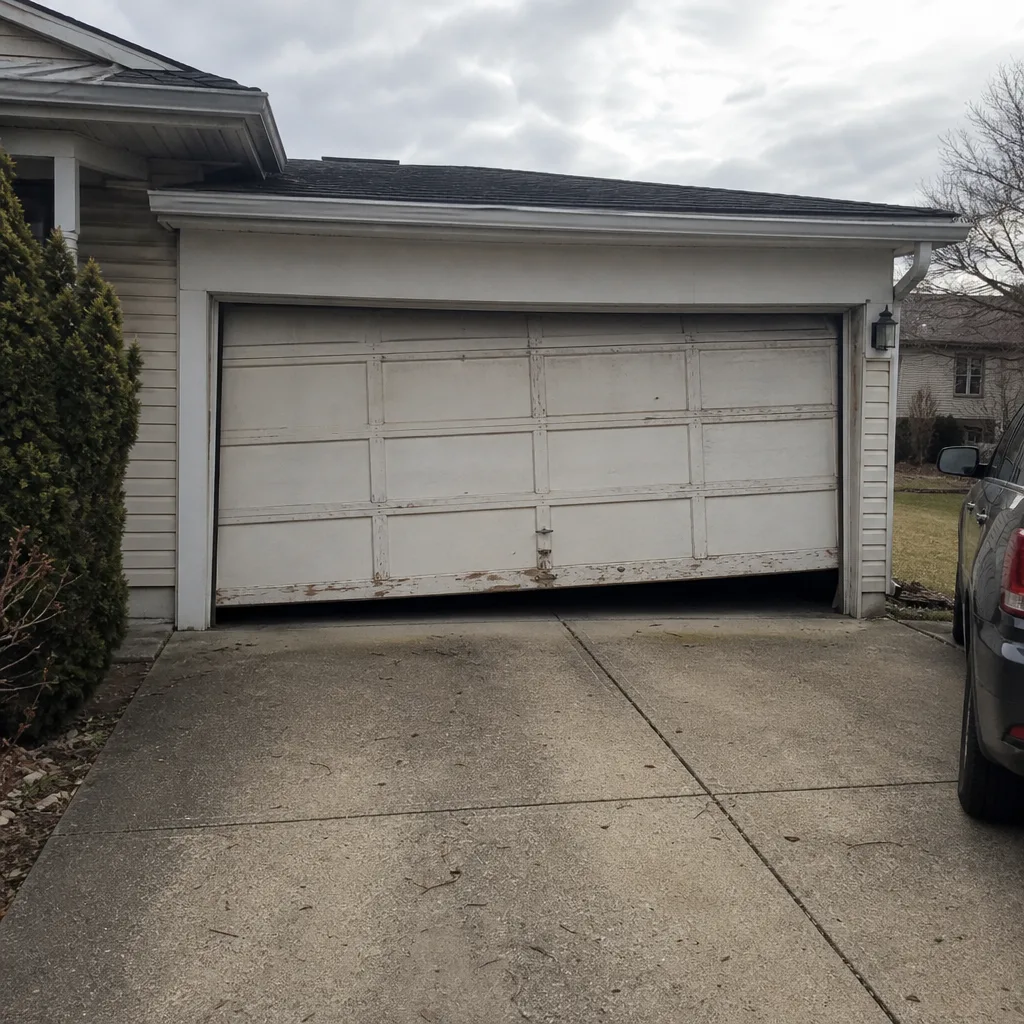 Before
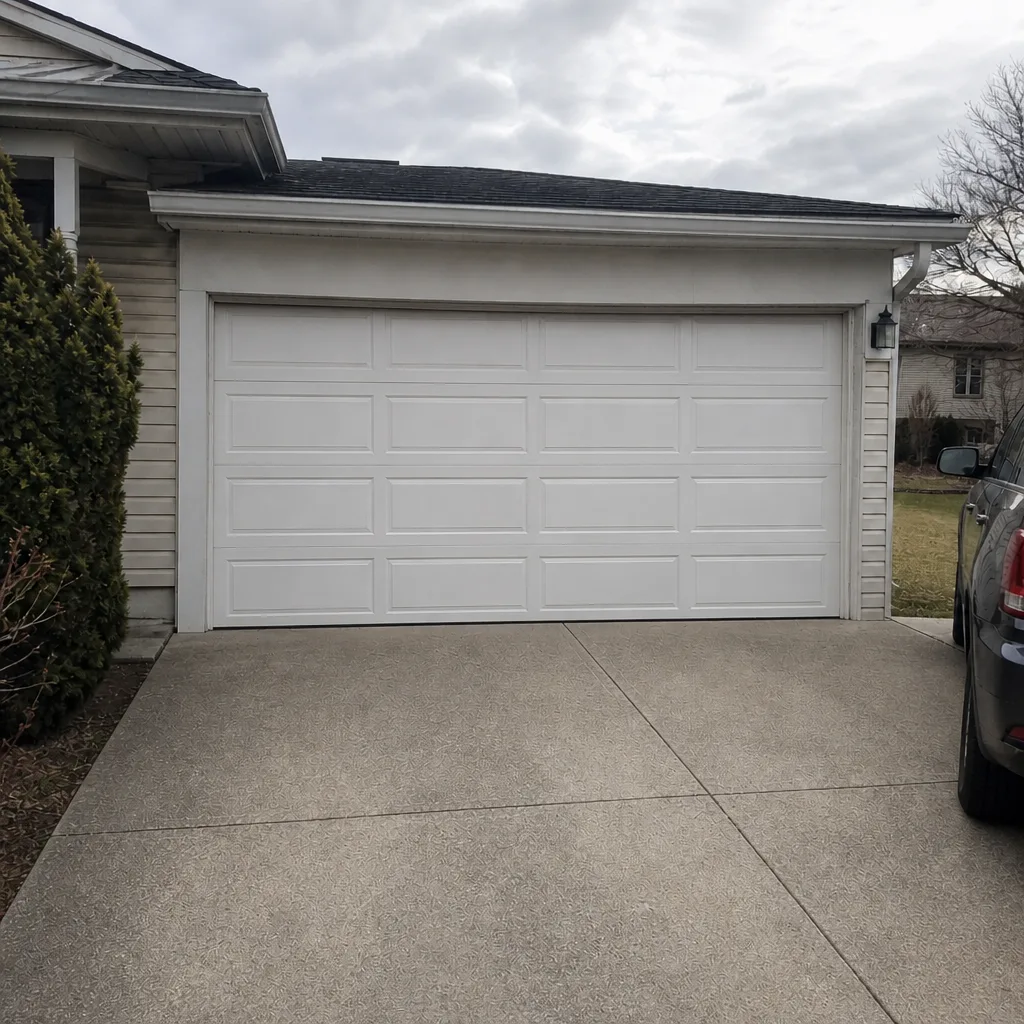 After
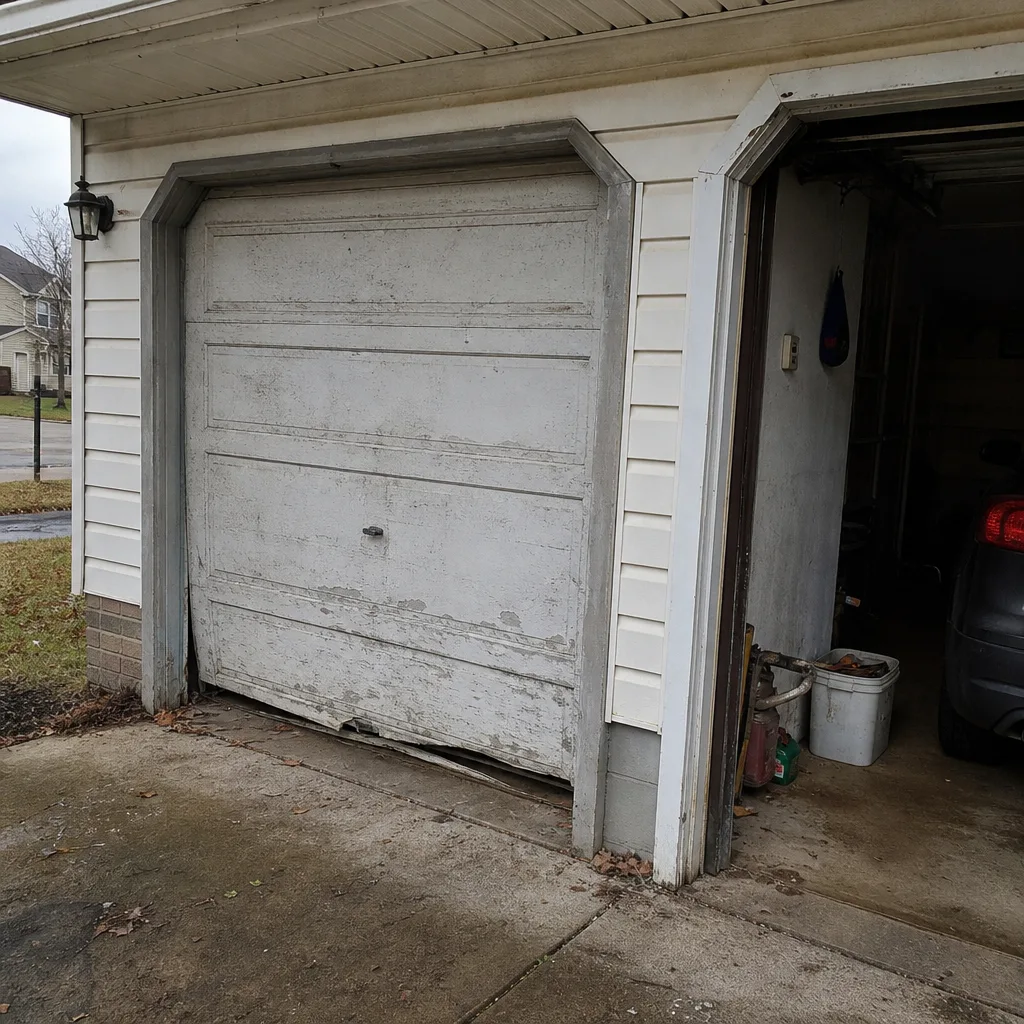 Before
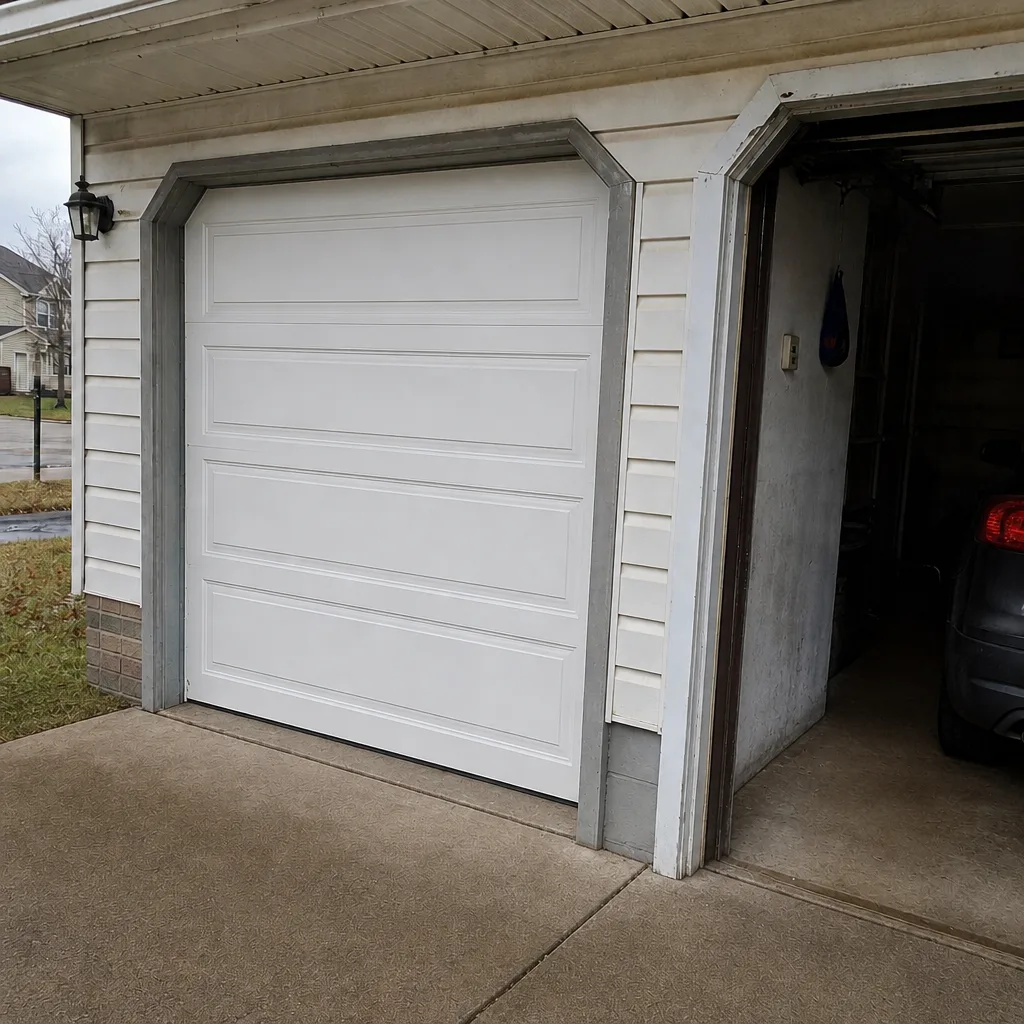 After
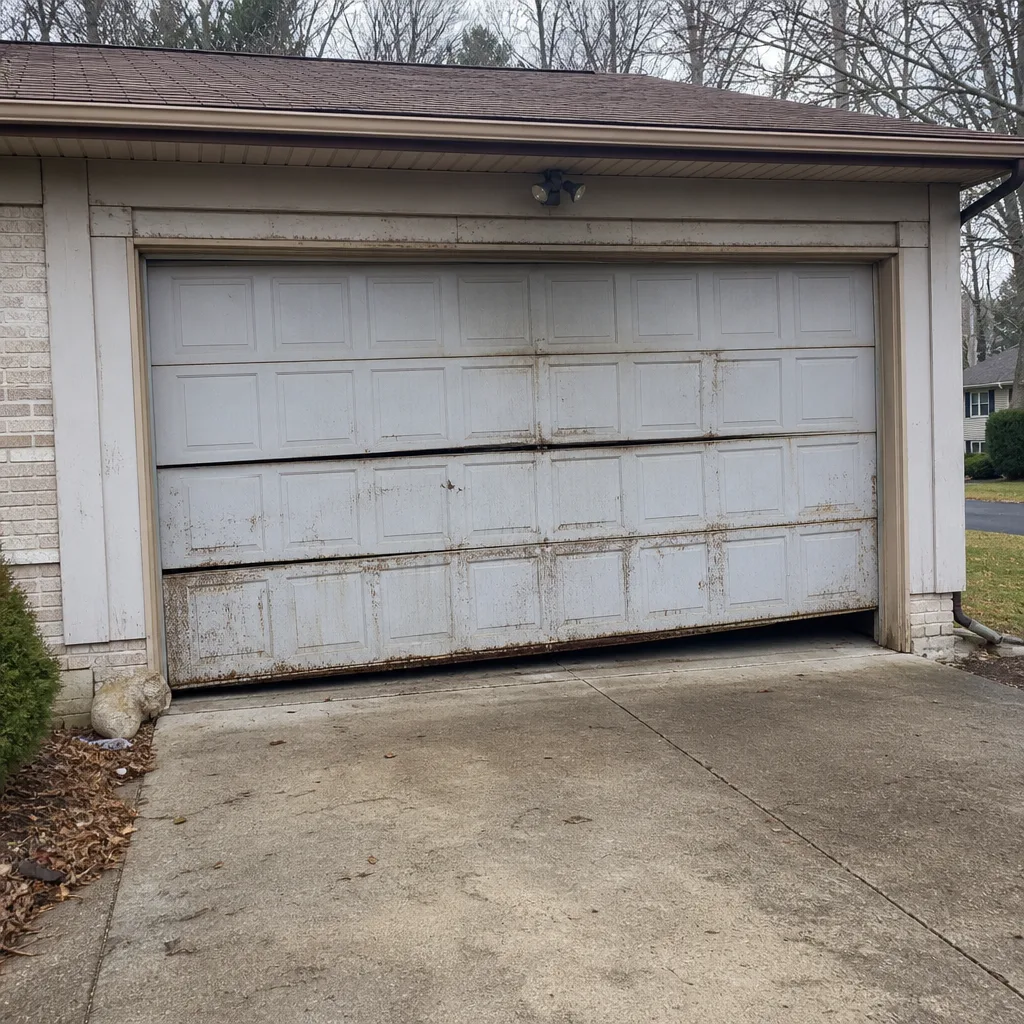 Before
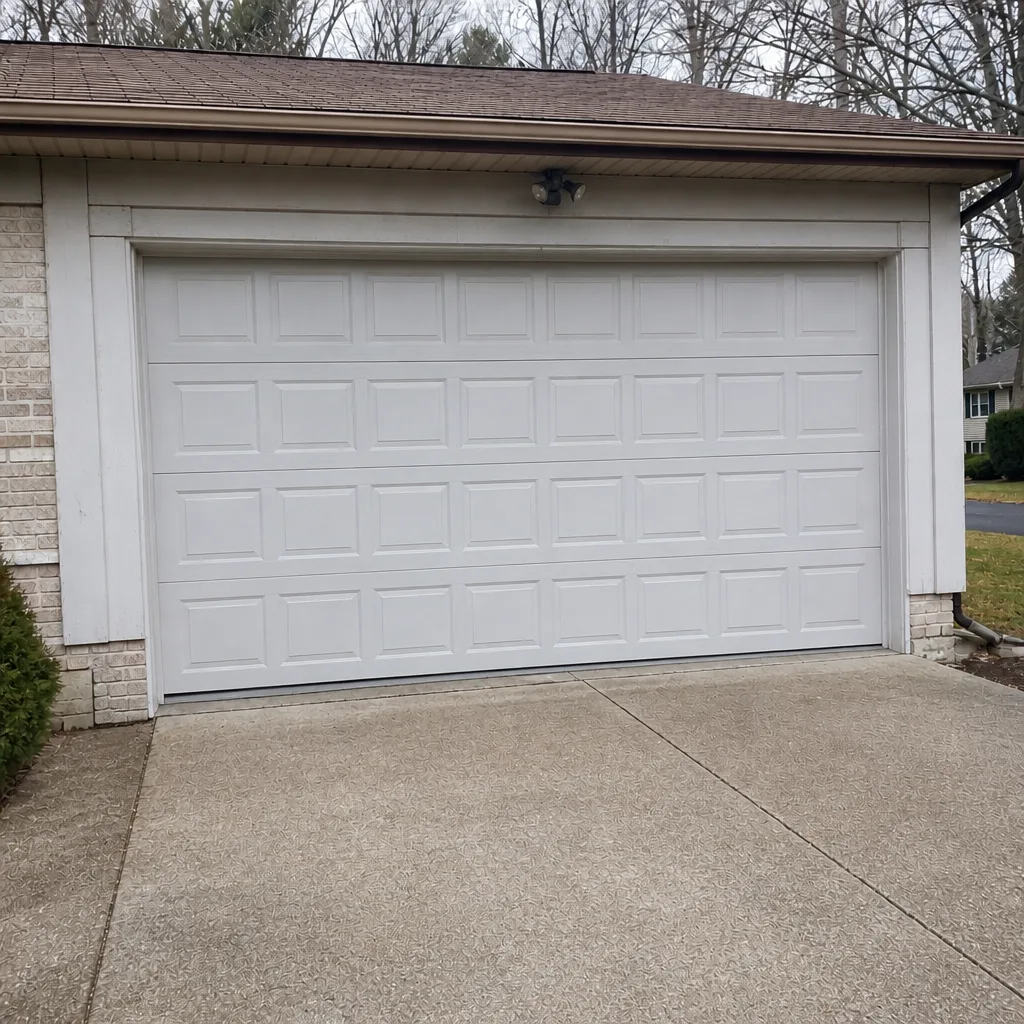 After