Last updated November 23, 2026
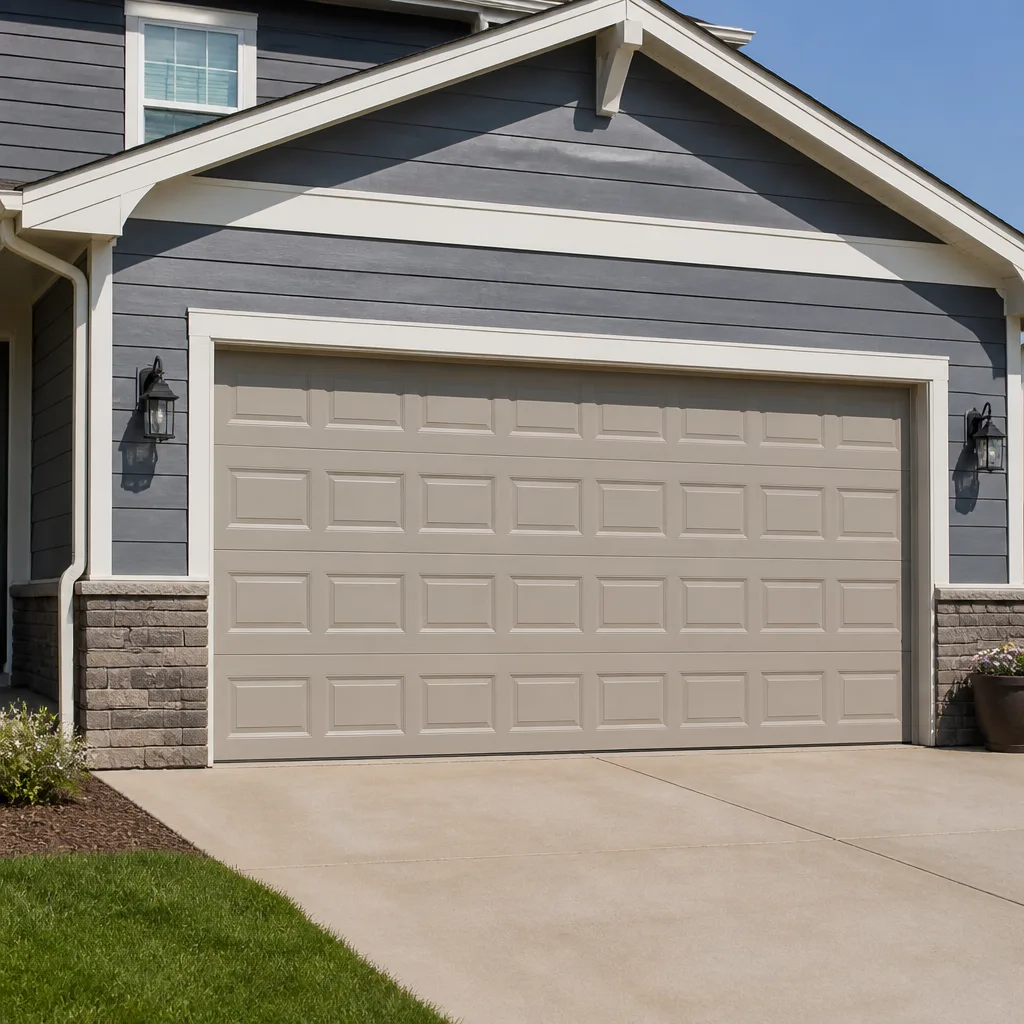 Raised-panel steel
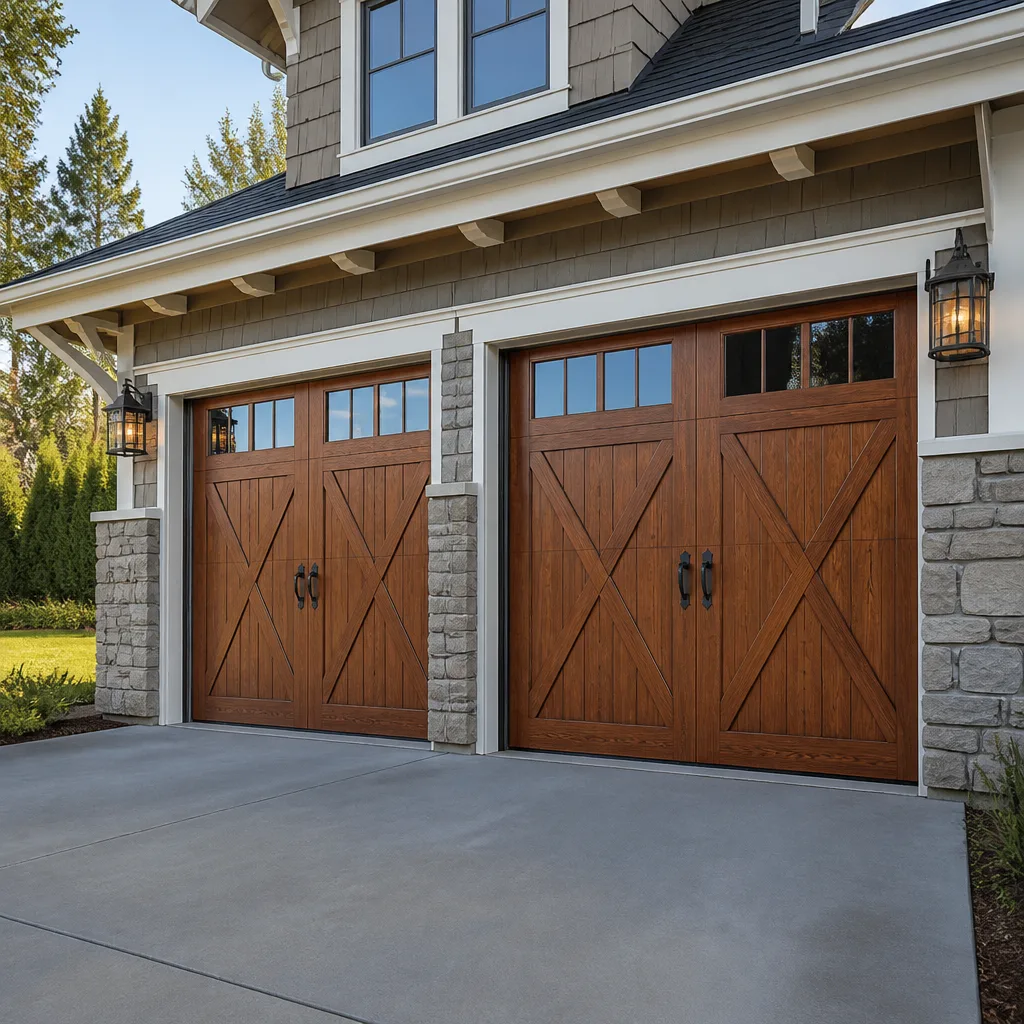 Carriage house
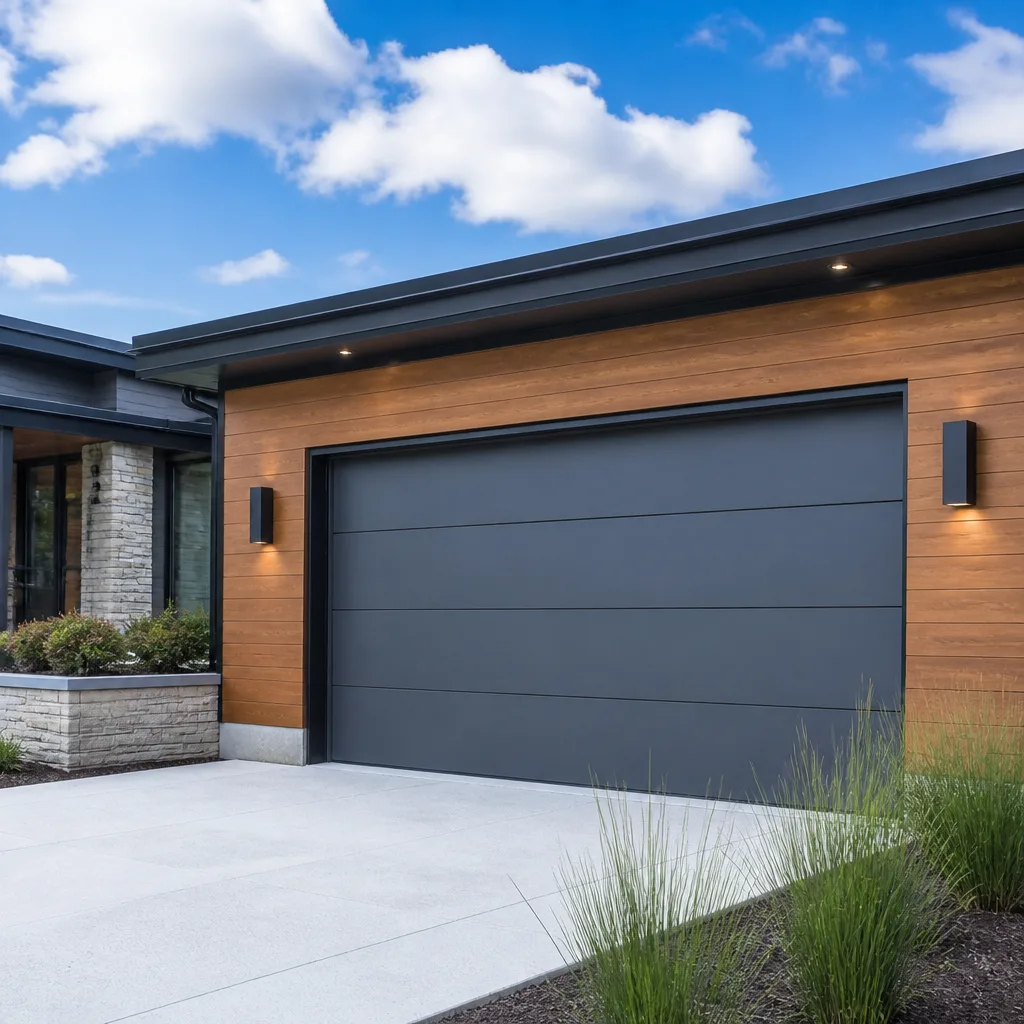 Modern flush
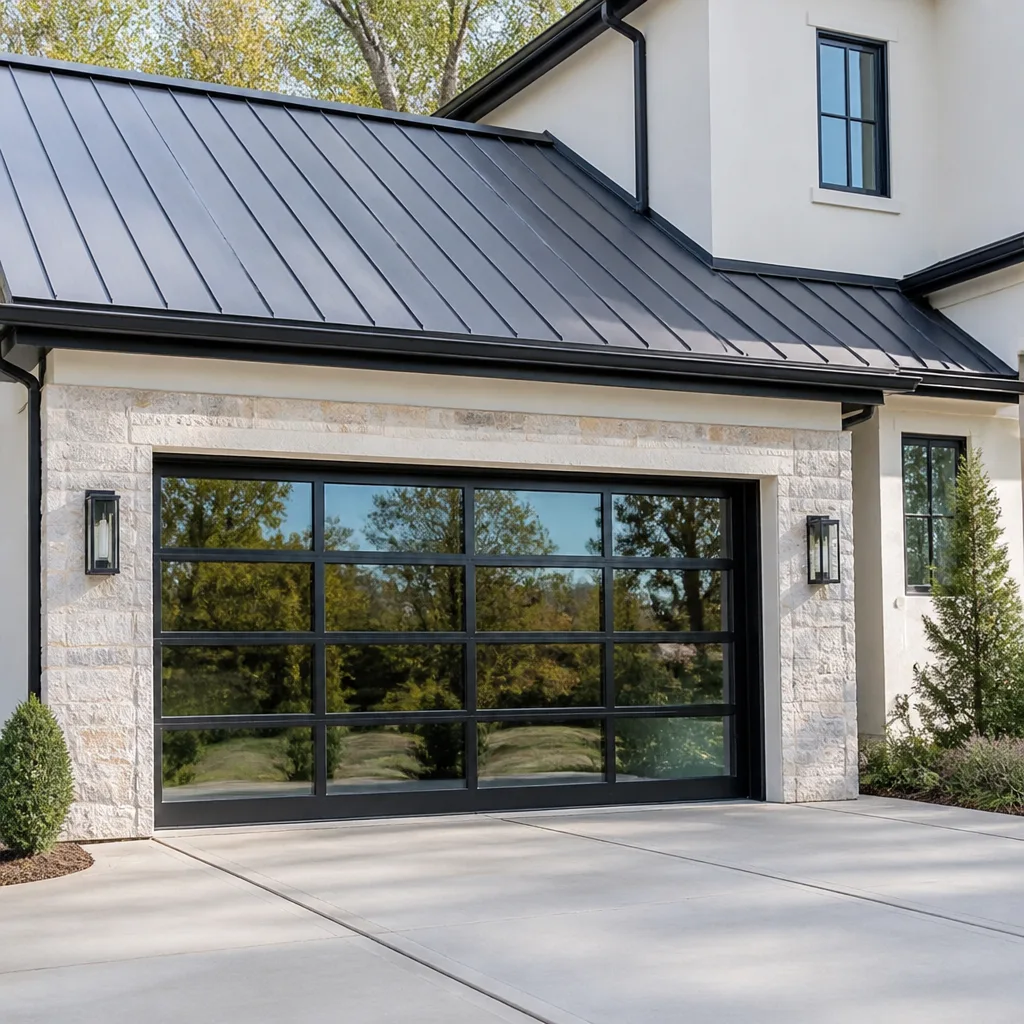 Full-view glass
 LiftMaster openers
 Chamberlain openers
Full 25-point door and opener safety check with every visit - springs, cables, rollers, tracks, and your LiftMaster or Chamberlain opener included
You get a price before we start. It does not change when the pro arrives.
Get your free estimateGarage Door Permits, Codes & Inspections in Cranberry Township, PA: What You Need to Know
Replacing a single dented panel? No permit. Replacing the entire door on an attached garage that touches the structural framing of your house? That’s a different conversation. The line between what needs a permit and what doesn’t is narrower than most homeowners assume, and it runs through both Pennsylvania’s statewide building code and Cranberry Township’s own local rules. Cross it without documentation and the paperwork trail follows the house, not the contractor. In this guide we’ll walk through when a garage door project in Cranberry Township needs a permit, when it genuinely doesn’t, the fire-rated door rule almost nobody knows about, and what an inspection actually looks at so you’re not caught off guard.
Quick Answer
In Cranberry Township, PA, replacing garage door panels, springs, openers, or rollers generally does not require a building permit because it’s considered repair or like-for-like replacement. Replacing an entire overhead door, altering the opening, or changing structural framing around an attached garage usually does require a permit under Pennsylvania’s Uniform Construction Code and the Township’s local overlay. When in doubt, call Cranberry Township’s building department before you schedule the work. The cost of a quick phone call is nothing compared to an unpermitted improvement sitting on your title report.
Styles & brands we work with
- Raised-panel steel
- Carriage house
- Modern flush
- Full-view glass
- LiftMaster openers
- Chamberlain openers
Table of Contents
- What Pennsylvania’s Uniform Construction Code Says About Garage Doors
- Cranberry Township’s Local Overlay Rules for Attached Garages
- Permit or No Permit? A Simple Decision Guide
- The Fire-Rated Door Rule Between Garage and Living Space
- How Unpermitted Work Shows Up on a Title Search
- What an Inspection for Garage Door Installation Actually Checks
- How to Hire a Contractor Who Handles the Permit Correctly
- Common Mistakes to Avoid
What Pennsylvania’s Uniform Construction Code Says About Garage Doors
Pennsylvania adopted the Uniform Construction Code (UCC) to create one statewide baseline for residential and commercial construction. The UCC references the International Residential Code for one- and two-family homes, and that’s where garage door requirements live. Understanding the UCC’s distinction between “repair” and “alteration” is the whole ballgame.
Under the UCC, ordinary repairs and maintenance are not permit-triggering events. Swapping a torsion spring, replacing an opener, changing a bottom seal, or substituting a damaged panel with a matching one falls under repair. Those jobs keep the door functioning as it was designed. They don’t change the structure, the opening, or the rated assembly of the wall between the garage and the house.
An alteration is different. Enlarging the opening, converting a single door to a double, replacing an entire sectional door with a different size or weight class, or modifying the header or framing around the opening all qualify. Those changes can affect the load path of the wall above the garage door, the rated separation between the garage and the living space, and the structural assumptions the house was built on.
For Cranberry Township homeowners, this means most of the everyday work we handle – spring replacement, opener repair, panel swaps – doesn’t touch the permit process. It also means that a full door replacement on an attached garage is the point where you need to slow down and confirm requirements with the Township before the old door comes off. If you’re scheduling spring work, our guide to garage door spring repair covers what that side of the work involves. For anything that touches the opening itself, the safer assumption is that a permit is required unless the building department tells you otherwise.
One more UCC note: local municipalities can adopt stricter requirements than the statewide baseline. Cranberry Township does exactly that in a few specific areas, which we’ll cover next.
Cranberry Township’s Local Overlay Rules for Attached Garages
Cranberry Township enforces the UCC through its own code office, and it also layers a set of local ordinance requirements on top. For garage door work, the overlay most often shows up in three areas: structural changes to attached garages, properties within planned residential developments or HOAs, and work that touches the exterior envelope of the home.
Attached garages are the trigger point. Any project that changes the framing, header, or structural opening of an attached garage typically requires both a UCC permit and a Township review. That review checks that the work meets the load path requirements and doesn’t compromise the fire separation between the garage and the living space – a point we’ll come back to.
If you live in a Cranberry Township community with a homeowner’s association, there’s often an architectural review requirement that runs in parallel with any municipal permit. HOA approval for door style, color, and panel pattern is common, and it’s separate from the building permit. Both can be true at once. A door that’s permitted by the Township but rejected by the HOA is a real outcome, and it’s easier to avoid when you check both processes before ordering the door.
Exterior envelope work matters too. If the replacement door changes the footprint or appearance of the front facade in a way your Township zoning ordinance regulates, a zoning review may be required even where a building permit is not. This is more common on corner lots, in planned developments, and anywhere the Township has adopted specific facade rules.
Since local requirements can vary by subdivision and by the age of the house, the right step before any full door replacement is to call Cranberry Township’s code office directly and describe the exact scope. Ask two questions: is a building permit required for this scope, and does the property trigger any zoning or HOA-related review? Their answer governs the project, not a general rule of thumb.
Permit or No Permit? A Simple Decision Guide
Here’s the practical breakdown we share with homeowners before they schedule work. Use this as a starting filter, then confirm with the Township if you land anywhere near the line.
Work that generally does not require a permit:
- Replacing torsion or extension springs (one or a matched pair)
- Replacing or repairing the garage door opener (LiftMaster, Chamberlain, Genie, and Craftsman units all follow the same permit logic)
- Swapping a damaged panel for a matching one of the same size and weight class
- Replacing rollers, hinges, cables on a like-for-like basis, or bottom seals
- Adjusting track alignment or replacing a bent section of track without changing the opening
- Routine opener maintenance, remote pairing, and safety sensor alignment
Work that typically does require a permit:
- Replacing the entire sectional door, especially on an attached garage that shares a wall with the living space
- Changing the size of the opening (adding height, widening the door)
- Converting a single-car door to a double, or vice versa
- Any modification to the header, framing, or structural members above the door
- Cutting a new opening into a garage wall that didn’t previously have one
- Replacing a fire-rated door between an attached garage and living space with a different rated assembly
For a quick step-by-step on how to work through the decision:
- Write down exactly what work you’re doing. “Replace one panel” and “replace the whole door” lead to different answers.
- Note whether the garage is attached or detached. Attached garages trigger more requirements.
- Check whether the door opening, size, or framing will change. Any “yes” here points toward a permit.
- Call Cranberry Township’s building department and describe the scope in plain terms.
- If the HOA governs your neighborhood, check its architectural review requirements separately.
- Get any required permit in hand before the old door comes off.
Most spring, opener, and panel jobs in Cranberry Township land in the no-permit bucket. Full replacement on an attached garage is where you should pick up the phone. When a job is straightforward repair, our Garage Door Repair Cranberry page explains the parts, timelines, and what to expect. For an opener issue specifically, see garage door opener repair.
The Fire-Rated Door Rule Between Garage and Living Space
Here’s the code point that catches people off guard: the door between an attached garage and the living space of a house isn’t treated like a normal interior door. Under the residential code Pennsylvania references, that door is generally required to provide a fire-rated assembly, typically in the range of a 20-minute rating, and it needs to be self-closing and self-latching. The wall between an attached garage and the house is also typically a rated assembly.
What that means for homeowners is that the door itself is a safety system, not just a passage. If you’re replacing it, its rated assembly, self-closing hardware, and labeling matter. If a previous owner swapped it out for a standard hollow-core door or removed the closer, that’s a code issue that may only surface during a home inspection or an appraisal-driven review.
We run into this most often when a homeowner is remodeling an attached garage into a mudroom, laundry, or bonus space. The instinct is to treat it like an interior project, but the wall and door between the garage and the house are still doing fire separation duty. That’s why these projects cross the permit threshold in Cranberry Township more readily than a simple overhead door replacement. Combustion of vehicles, stored fuels, and appliances in the garage is the reason the rule exists – a fire in the garage needs to be contained long enough for people to get out of the house.
If you’re not sure whether the door between your garage and house is compliant, ask a home inspector or a contractor who works on rated assemblies. It’s not a garage door contractor’s primary call, but it’s part of the overall garage safety picture. And if the door is missing hardware, stuck, or won’t latch, that’s the kind of thing worth fixing promptly, along with any door that won’t open or close reliably – we handle that under our emergency service line.
How Unpermitted Work Shows Up on a Title Search
Unpermitted garage door work rarely shows up at the moment it’s done. It shows up years later, when a buyer’s title company pulls the property records and finds a permit draw against the address that was never closed out. That’s when the conversation gets expensive, because the fix is usually remediation before closing.
Title searches don’t flag the door itself. What they flag is the permit record. If a permit was opened for structural work at the garage and never received a final inspection, that stays in the file. A title company may require it to be resolved, and a buyer’s lender may require the same. The result is often a scramble in the last two weeks before settlement.
Home inspectors also catch work that doesn’t read right. An overhead door that’s been replaced with one that doesn’t match the opening, a header that’s been cut to fit a taller door without engineering, or a garage-to-house door that’s been swapped for the wrong rated assembly – these are the things that come up as “further evaluation recommended.” That phrase almost always means a permit wasn’t pulled and the work wasn’t inspected.
The way to avoid any of this is simple: if a permit applies to your project, pull it, get it inspected, and keep the paperwork with your home file. When you’re selling a Cranberry Township property, “permit closed” on a garage project is a credit, not a footnote. It costs a modest fee and a couple of inspections, and it protects the asset you’re about to sell. If you’re planning a full door replacement, we walk through that project on our garage door repair and installation overview.
What an Inspection for Garage Door Installation Actually Checks
An inspection for a garage door installation isn’t primarily a door-style review. It’s a structural and safety review of the opening and the assembly. Knowing what’s coming lets you plan the project correctly, and it also helps you ask the right questions of whoever installs the door.
Here’s what an inspector typically looks at:
- Header and framing. The header above the door needs to carry the load it was originally sized for. If the opening was enlarged, the inspector wants to see the engineering that justifies the change.
- Anchorage. The track brackets need to be fastened into solid framing – not just drywall – and the fastening pattern needs to match the door manufacturer’s install instructions.
- Fire separation at attached garages. The rated assembly between the garage and the house, including the door between the two if it was part of the work, gets reviewed.
- Door fit and operation. The door should open and close smoothly, seat correctly against the opening, and not foul the framing.
- Opener safety features. If a new opener is part of the install, the auto-reverse function and the photo-eye safety sensors need to be present and working. This applies to any brand on the market, from LiftMaster and Chamberlain to Genie and Craftsman.
- Warning labels and hardware. Required warning labels, spring containment (if the door uses torsion springs), and pinch-resistant panel design if applicable.
- Electrical. If the opener circuit is new or modified, it needs to meet code. Opener circuits are typically a dedicated GFCI-protected circuit, and it’s handled by the electrician, not the door installer.
The single biggest surprise at inspection is header and framing that wasn’t touched but that can’t be verified from records. If the house was sold without a permit close-out for an earlier garage change, that gets noticed at the new permit. If you’re buying or selling a Cranberry Township home with a garage door history that’s unclear, that’s worth a conversation with your inspector before closing.
How to Hire a Contractor Who Handles the Permit Correctly
Most of the permit friction we see in Cranberry Township comes down to ownership. The best arrangement is a garage door professional who understands the permit pathway, tells you honestly when a permit is needed, and helps you line up the process before the door comes off the wall. A specialist who works only on garage doors is far more likely to know the local rule than a general handyman who occasionally swaps a spring.
Here’s how to vet the contractor before you sign:
- Ask directly: “Does this job need a permit in Cranberry Township?” If the answer is a confident “no” without checking, that’s a flag.
- Ask who pulls the permit. In most residential projects the homeowner can, but a professional should offer to walk you through it.
- Ask about the inspection process. A contractor who has been through inspections before will know what the code office looks for.
- Ask for a written scope and price. An estimate that doesn’t name parts, brand, and installation approach isn’t useful.
- Ask what happens if the inspection fails. A legitimate contractor makes it right; that’s part of the deal, not a surprise fee.
- Confirm they’re equipped for the specific brand on your door. LiftMaster, Chamberlain, Genie, Clopay, Amarr, Wayne Dalton, Craftsman, and Raynor all have different tolerances and parts.
We handle the technical side of this – we’re trained on the brands and we know which jobs are repair versus alteration. On permitting, we’re a partner, not the final authority. Cranberry Township’s code office makes the call, and we’d rather point you toward their answer than guess on your behalf. Our technicians have up to 14 years of experience working on these systems, and we’ve seen the difference between a job that sailed through inspection and a job that didn’t because a header wasn’t documented.
Common Mistakes to Avoid
- Skipping the permit for a full door replacement on an attached garage because “it’s just a door.” The door itself may be like-for-like, but the opening, header, and rated separation between the garage and house are what inspectors review. Replacement is the moment to check, not assume.
- Pulling a permit for a spring or opener job that doesn’t need one. This creates a paper trail you didn’t need and can raise questions with a future buyer. Ordinary repair is ordinary repair – the UCC says so.
- Assuming the HOA’s approval covers the Township’s requirements, or the reverse. In Cranberry Township communities with architectural review, these are two separate processes. Approval from one doesn’t waive the other.
- Replacing a fire-rated garage-to-house door with a standard interior door. It’s a common shortcut that removes a safety feature. The door between an attached garage and the living space is a rated assembly with self-closing hardware, not a cosmetic swap.
- Letting an installer enlarge the opening without engineering. “We can make it fit” is not the same as “the header can carry the load.” If the opening changes size, get the engineering and the permit.
- Losing the permit close-out paperwork. Keep the final inspection card and permit close-out with your home records. In Cranberry Township, that paperwork is exactly what makes a future sale smoother.
- Hiring a generalist who rarely handles overhead doors. The spring tension, track alignment, and rated assembly of a garage door are their own discipline. A handyman is not the right call for anything that touches the opening.
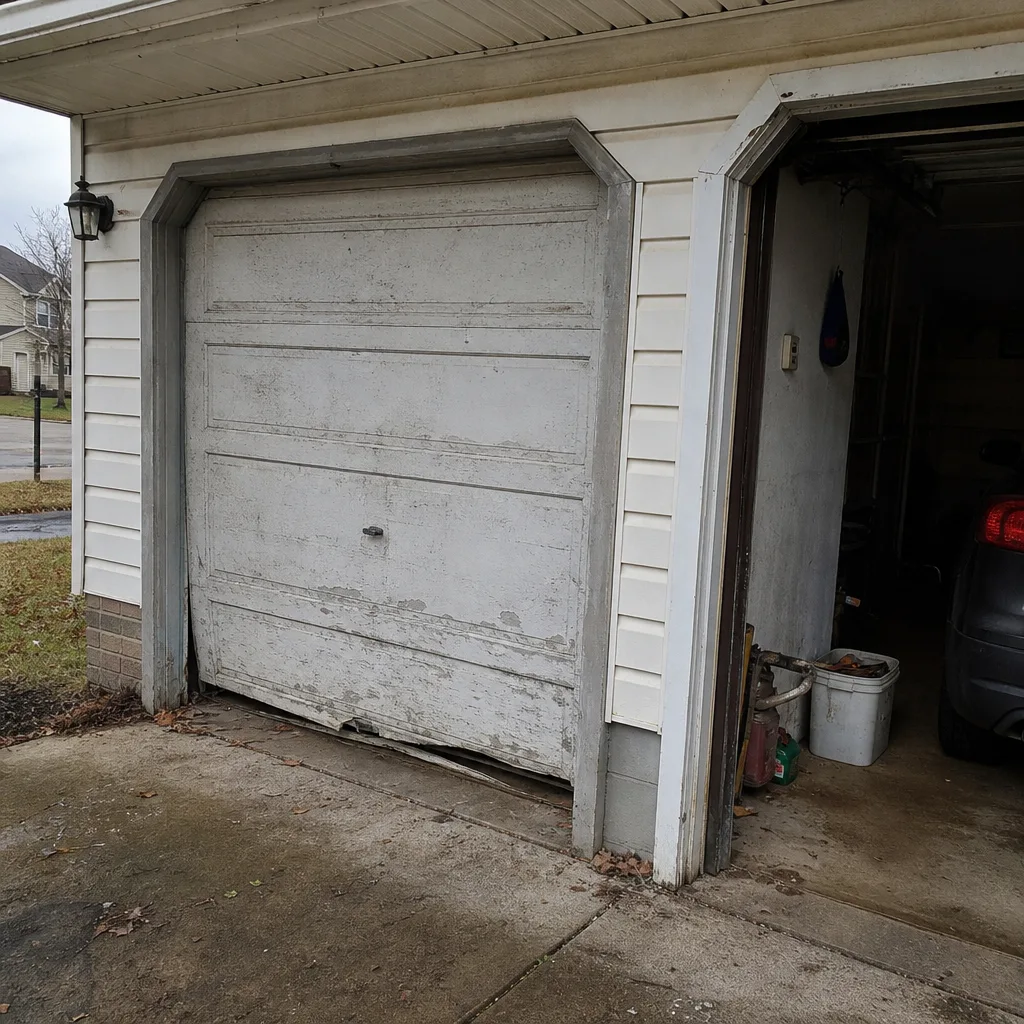
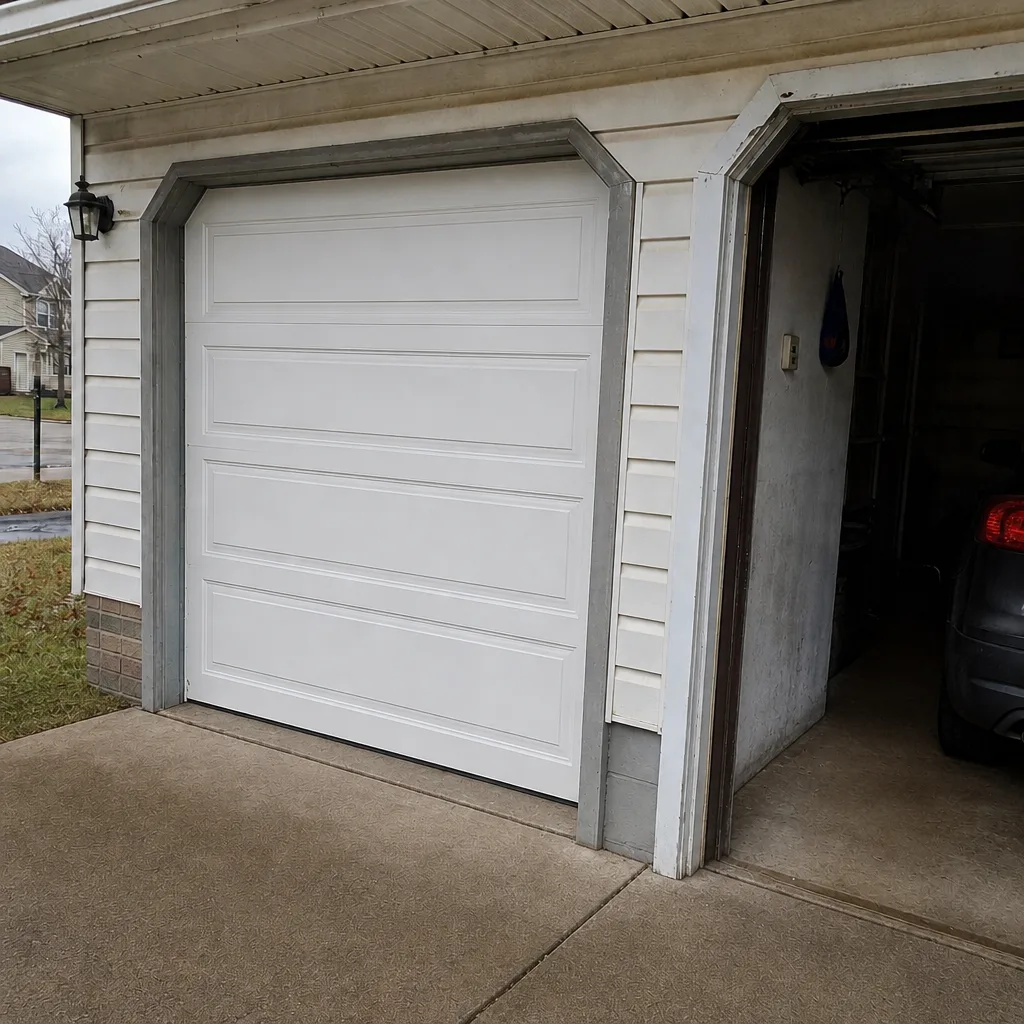
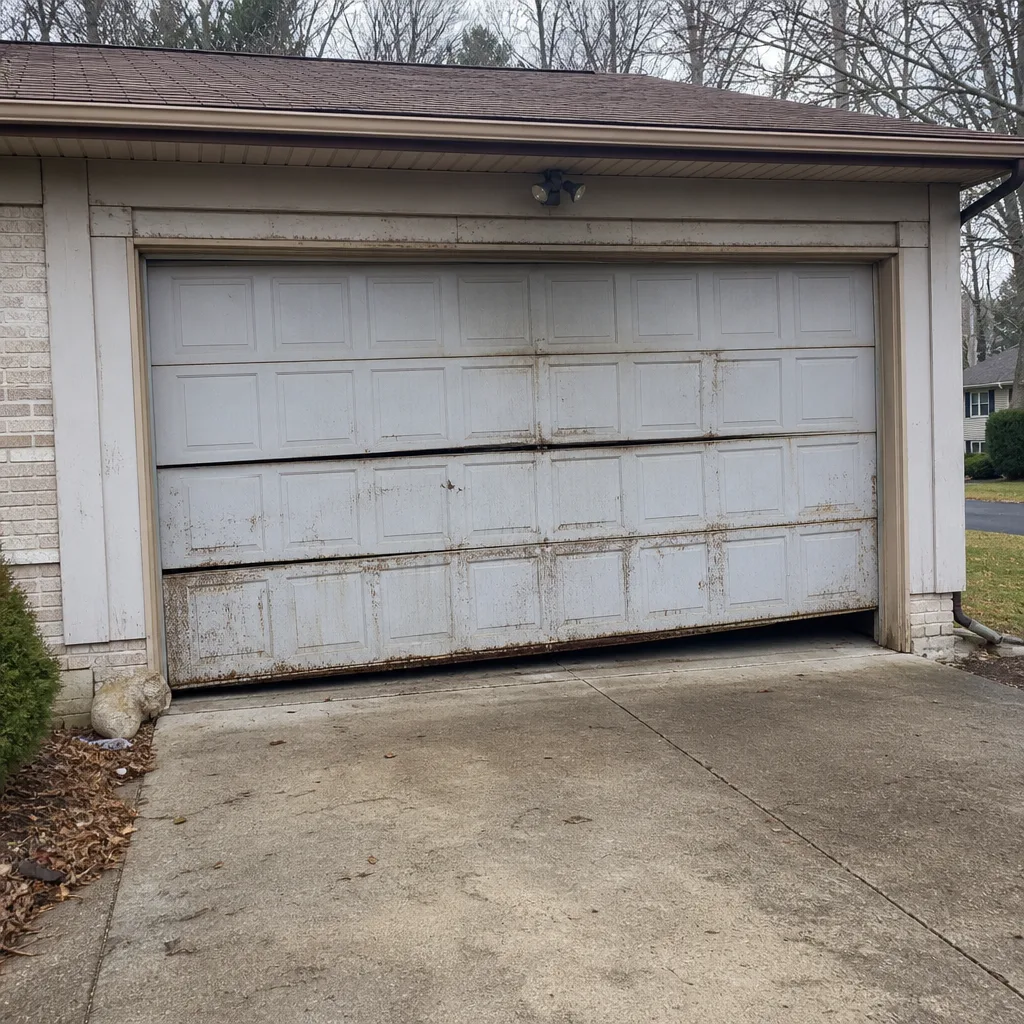
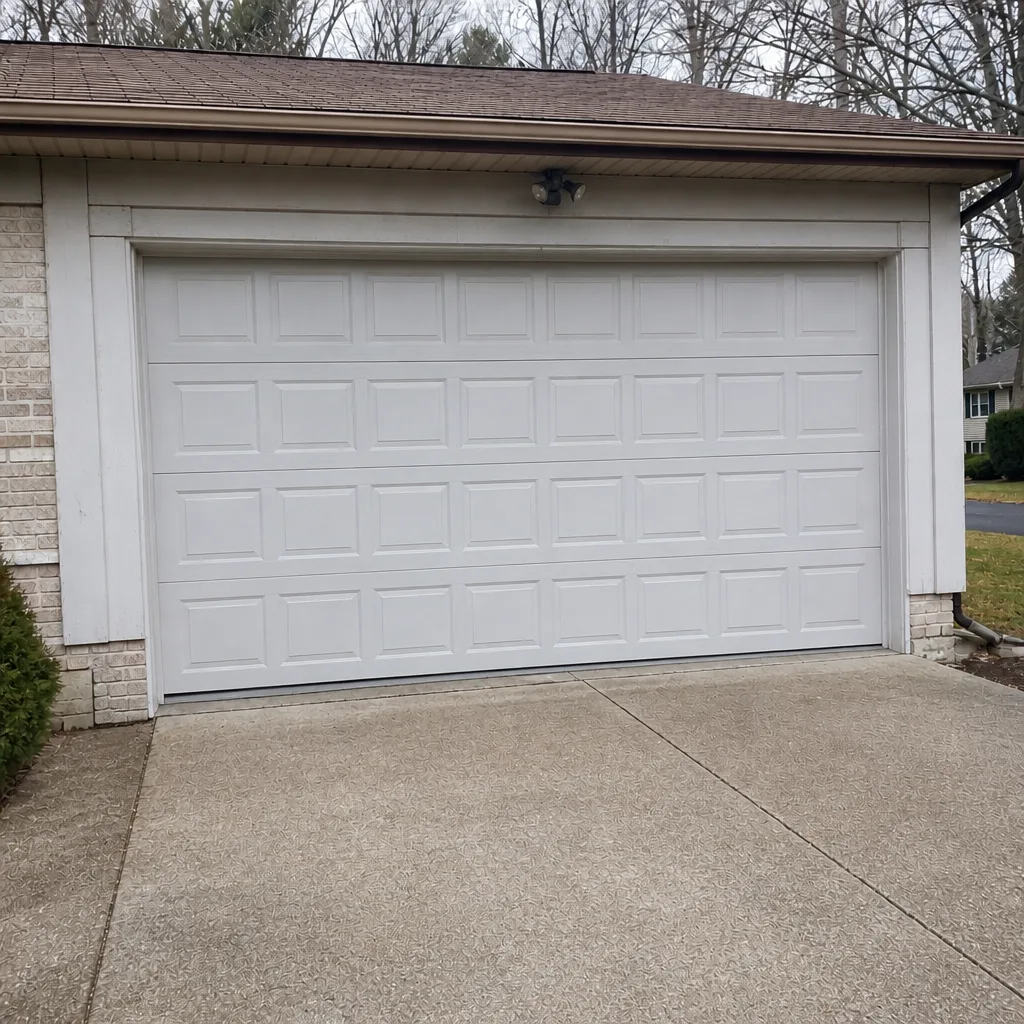
See the difference
 Before
 After
 Before
 After
 Before
 After
When to Call a Professional
Permits aside, some garage door work isn’t DIY territory. A broken torsion spring is under extreme tension, and the wrong move can cause serious injury – both springs in a matched pair should typically be replaced together, not one at a time. If the door is off-track and stuck, if an opener keeps reversing, if the door won’t stay closed, or if a fire-rated door between the garage and house won’t latch, those are cases where the risk of a do-it-yourself attempt outweighs the savings. Beyond safety, a professional can tell you whether the job is repair or alteration, which is the exact question that determines your permit situation in Cranberry Township.
Garage Door Repair Cranberry offers free estimates in Cranberry Township – call (855) 658-4219. We work on the brand already on your garage, from torsion spring replacement to opener diagnostics to full installation.
Frequently Asked Questions
A permit is usually required when you replace the entire garage door on an attached garage, since replacement touches the structural opening and the fire separation between the garage and the living space. Replacing individual panels, springs, or an opener generally does not require a permit because it’s considered repair. Confirm the scope with Cranberry Township’s building department before you schedule the work – their answer controls the project. Call (855) 658-4219 for a free estimate and we’ll help you characterize the job.
No. Spring replacement is classified as repair under Pennsylvania’s Uniform Construction Code and does not typically require a permit. That said, torsion springs are dangerous, and a matched pair is almost always replaced together – a single-spring swap on a pair is one of the most common mistakes we see. Call (855) 658-4219 if your door won’t lift or is hanging in the open position.
The most reliable way is to compare the current opening to the property records on file with Cranberry Township. Ask the code office to pull the permit history for the address. Visible clues include a header that looks newer than the surrounding framing, mismatched brick or siding above the door, or a door that sits oddly in the opening. A home inspector can flag suspicious framing. Call (855) 658-4219 for a free assessment of the door and opening if you’re concerned.
If the project required a permit, yes. The inspection reviews header and framing, anchorage, fire separation between an attached garage and the house, door fit and operation, and – if a new opener is installed – the auto-reverse function and photo-eye safety sensors. Repair work without a permit doesn’t trigger an inspection. Call (855) 658-4219 to talk through what your project needs before work starts.
The door between an attached garage and the living space of a home is generally required to be a fire-rated assembly (typically a 20-minute rating under the code Pennsylvania references) with self-closing and self-latching hardware. Replacing it with a standard interior door removes a safety feature. If the door isn’t latched or is stuck, that’s worth fixing promptly. Call (855) 658-4219 for a free estimate on getting it working.
Often yes – architectural review is common in Cranberry Township’s planned residential communities, and it’s separate from the Township permit process. HOA approval typically covers door style, panel pattern, and color, while the Township reviews structural and code requirements. Get both before ordering the door. Call (855) 658-4219 and we’ll walk you through the brand and door options that fit your HOA.
The Bottom Line
The permit question for garage door work in Cranberry Township comes down to scope. Springs, openers, and panel swaps are typically repair and don’t require a permit. Full door replacement on an attached garage, opening changes, structural framing, and the fire-rated door between the garage and the house all sit on the permit side of the line. Call Cranberry Township’s building department before the old door comes off, keep the permit paperwork with your home records, and hire a specialist who’s fluent in both the code paths and the brands – LiftMaster, Chamberlain, Genie, Clopay, and the rest. It’s a modest investment of effort, and it protects the resale value of the home you’re standing in. When in doubt, ask. The code office will tell you exactly what applies to your address.
Ready to get a straight answer and a written price on your garage door project in Cranberry Township? Call (855) 658-4219 for a free estimate – we’ll walk through what your job needs, including whether a permit applies. The written estimate sets the final price, agreed before any work starts.
Written by the team at Garage Door Repair Cranberry.