Last updated November 23, 2026
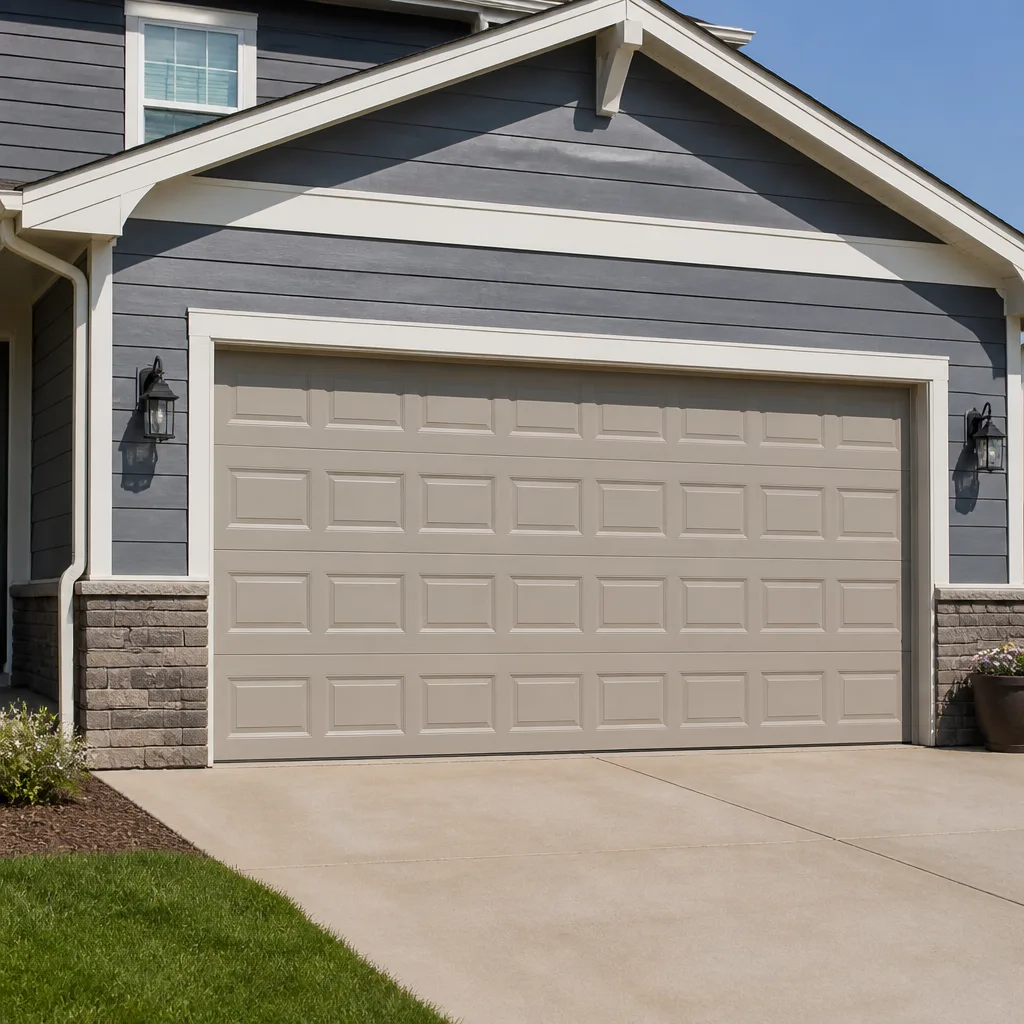 Raised-panel steel
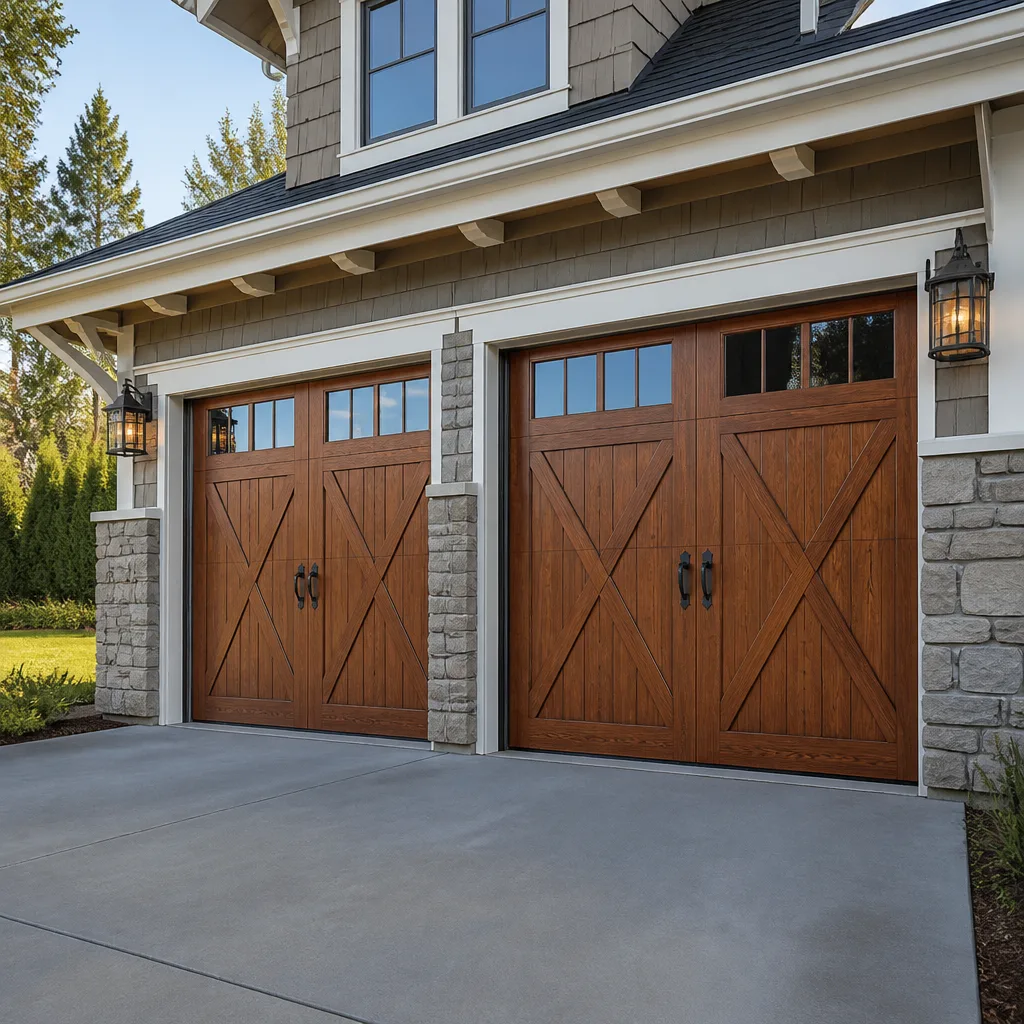 Carriage house
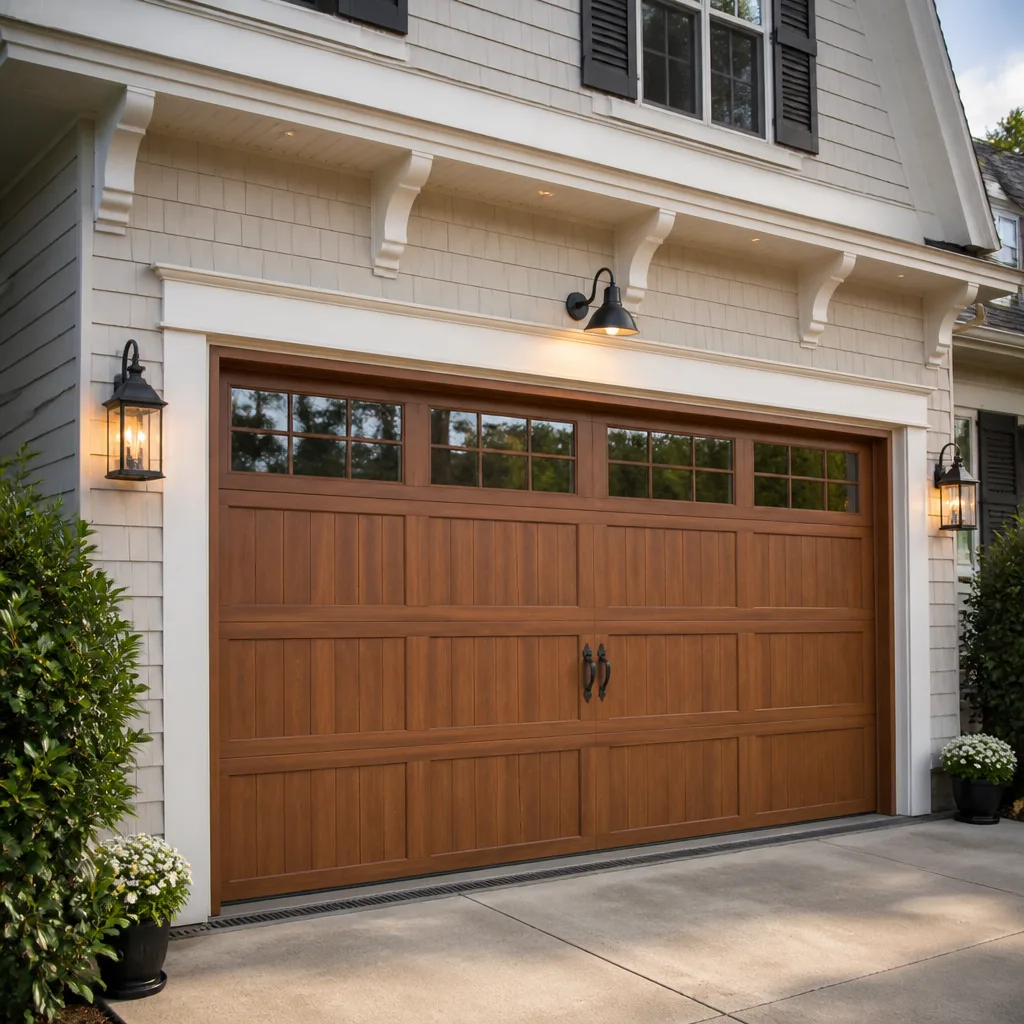
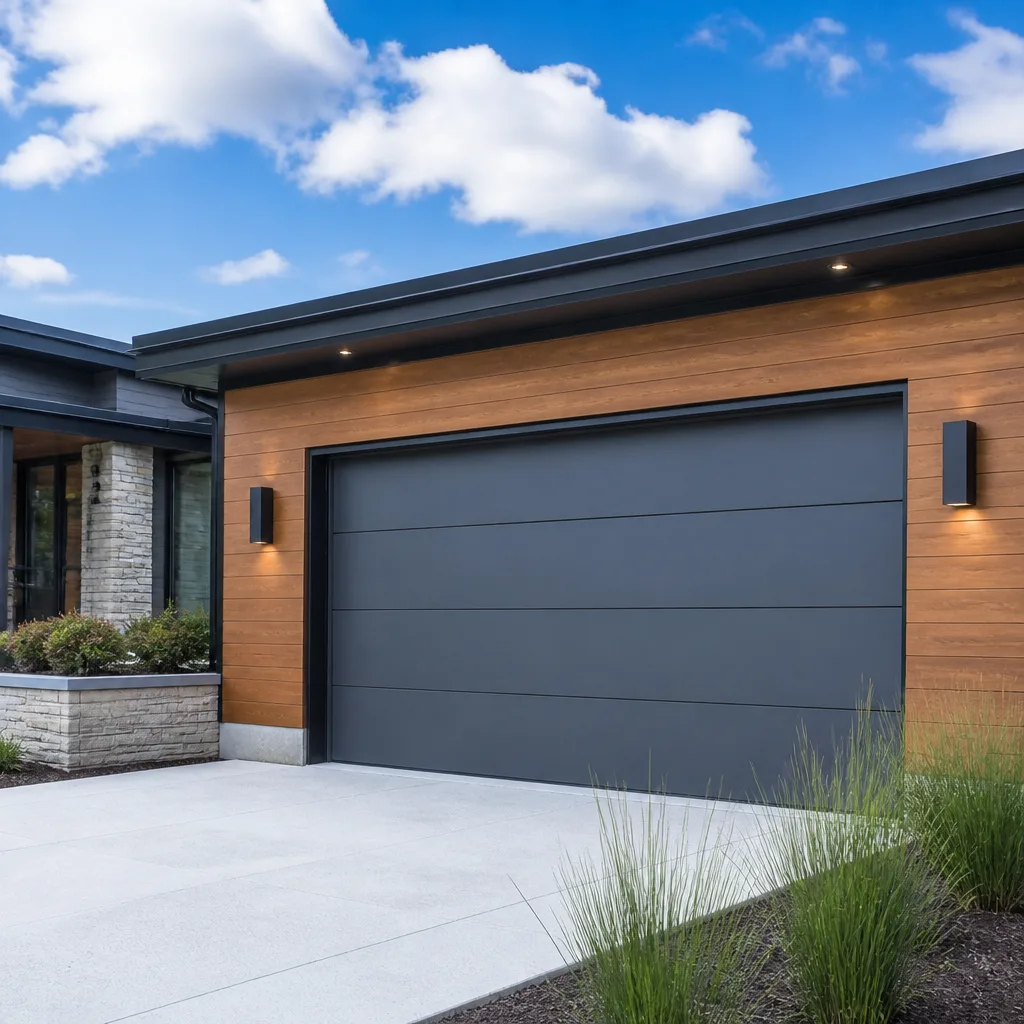 Modern flush
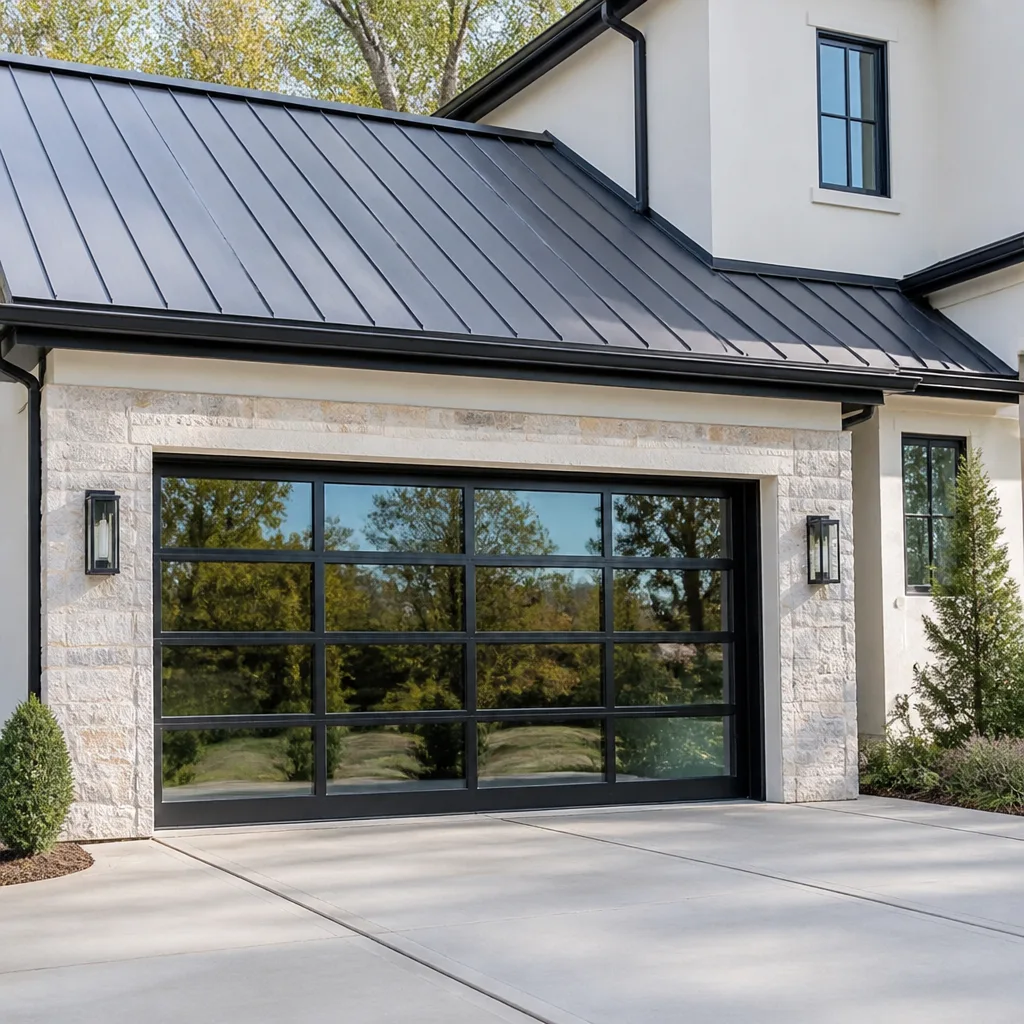 Full-view glass
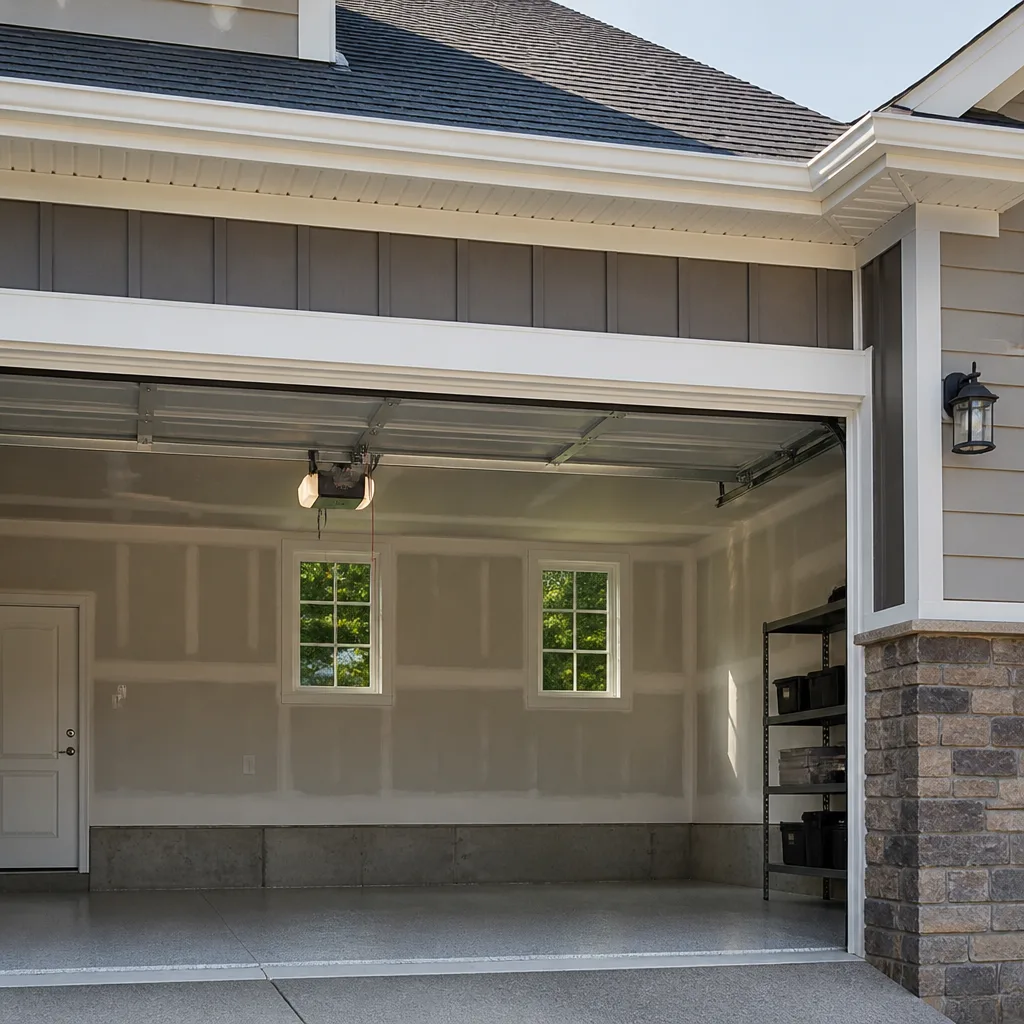 LiftMaster openers
 Chamberlain openers
Full 25-point door and opener safety check with every visit - springs, cables, rollers, tracks, and your LiftMaster or Chamberlain opener included
You get a price before we start. It does not change when the pro arrives.
Get your free estimateGarage Door Emergency Preparedness Guide for Cranberry Township Homes
A snapped torsion spring at 6 a.m. is not just an inconvenience. For many Cranberry Township homeowners whose garage has no side door, it means a car physically trapped inside, a workday derailed, and a scramble to figure out who to call. That’s a scenario worth thinking through once, calmly, before it happens. The counterintuitive part? Most of the damage in a garage door emergency comes after the failure itself – from a homeowner forcing a door that shouldn’t move, or disabling a safety system to get one more open-and-close out of it. This guide walks through the five most common Cranberry Township garage door emergencies, the correct first move for each, how to use a manual release safely, and exactly what to have ready when you call so the fix happens once.
Quick Answer
A garage door emergency in Cranberry Township is almost always one of five scenarios: a snapped spring, a dead opener, a door stuck open, a door that won’t close, or a door off its tracks. The right first move is to stop operating the door, confirm nobody is underneath, and call a specialist – forcing the door or repeatedly cycling the opener usually turns a single-part repair into a multi-part one. If your car is trapped and you need out, the manual release cord is your tool, but use it with both hands and controlled speed, never a yank.
Styles & brands we work with
- Raised-panel steel
- Carriage house
- Modern flush
- Full-view glass
- LiftMaster openers
- Chamberlain openers
Table of Contents
- The Five Most Common Garage Door Emergencies and What to Do First
- A Spring Snapped: Why the Door Suddenly Weighs 200 Pounds
- How to Use the Emergency Release Cord Safely
- When the Door Is Stuck Open in Winter
- Securing a Door That Won’t Fully Close
- What Information to Have Ready When You Call
- Opener Failure: Diagnosing It Before You Call
- Prevention: The 15-Minute Seasonal Check
The Five Most Common Garage Door Emergencies and What to Do First
Every emergency call we handle across Cranberry Township tends to sort into one of five buckets. Knowing which one you’re in tells you the first move.
- Snapped torsion spring. A loud bang from the garage, and the door won’t lift. First move: stop. Don’t force it, don’t try to open it manually from inside without help. Springs provide the lift assist – without them, the door is dead weight held only by a thin cable.
- Opener runs but door doesn’t move. The motor hums, the chain moves, but the door stays put. First move: pull the manual release and lift by hand to confirm the door itself moves freely. If it does, the problem is in the opener, and that’s an electrical diagnosis, not a door repair.
- Door stuck open. Usually a limit switch or safety sensor issue. First move: check the sensor eyes at the base of the tracks for obstruction or misalignment, then stop pressing the remote – repeated attempts can flip the motor’s logic board into a fault mode.
- Door won’t close (reverses immediately). Almost always a safety sensor or a physical obstruction. First move: clear the threshold and wipe the sensor lenses. If those don’t do it, the sensor bracket may have been knocked out of alignment.
- Door off its tracks. Panel bent, rollers popped out, door hanging at an angle. First move: do not operate it in either direction. Call for service immediately.
In Cranberry Township, most homes have a two-car attached garage with a single wide door or two narrower doors. The failure mode often depends on the door’s age and brand. A Craftsman chain-drive from the 2000s will fail differently than a modern LiftMaster belt-drive, and knowing the brand speeds up the fix.
A Spring Snapped: Why the Door Suddenly Weighs 200 Pounds
Torsion springs are the counterbalance. They store enough energy to hold a 200-pound insulated door in the air with one hand. When one breaks, that stored energy disappears – and the door drops to full dead weight. That’s why a snapped spring is the emergency where the wrong first move does the most damage.
What not to do:
- Don’t force the door open from inside the garage – if it drops while you’re underneath, that’s the injury scenario we worry about most.
- Don’t try to inspect or adjust the spring itself. High-tension springs are wound to dozens of turns. Loosening or cutting one without the correct winding bars is a genuinely dangerous task.
- Don’t call for just a “quick fix.” Springs are matched to door weight. A mis-sized replacement can snap again within weeks – or worse, over-rotate and bind the cable.
What to do instead: if only one of a matched pair of springs has broken, most reputable technicians will replace both. The unbroken one has absorbed the same cycles and is likely close behind. Replacing one now and one in six months costs more, not less, in most cases. This is the standard for garage door spring repair, and it’s the approach that holds up in Cranberry Township’s freeze-thaw swings, which stress springs heavily.
If your car is inside and you absolutely need to get it out, see the manual release section below before you touch anything.
How to Use the Emergency Release Cord Safely
Every garage door opener has a manual release – a red cord hanging from the trolley, or a lock-handle on older doors. It’s designed exactly for this. But it’s also where a lot of DIY damage happens. Here is the correct sequence.
- Clear the area underneath. Nothing under the door, nobody in the path. The door becomes dead weight once the release is pulled.
- Stand to the side, not below. If a spring or cable is already compromised, the door can drop suddenly.
- Pull the release cord once, firmly. Don’t yank. If it feels stuck, don’t force it – the door may be under tension. Call for service.
- Lift the door by hand, slowly, with both hands. On a two-car-wide door, that may be too heavy for one person. Get a second adult on the other side.
- Once open, prop it safely – not with a broom handle or a chair. Use a proper door-prop or, better, don’t leave it open unsecured. See the “stuck open” section for securing options.
- To re-engage the opener after the emergency, push the trolley back onto the carriage and test with the opener in manual mode first.
A common mistake with a Craftsman or Chamberlain opener: pulling the release while the door is partway up and the motor is engaged. That can damage the trolley carriage. Always let the door come fully to rest first. If you’re unsure whether the release is safe to use on your system, call (855) 658-4219 and a technician will walk you through it.
When the Door Is Stuck Open in Winter
A door stuck open in January is a Cranberry Township problem with its own logic. Cold contracts the tracks and stiffens the weather seal. If the door is hanging open and won’t come down, the immediate issue is security and heat loss – but the real fix is likely in the sensor bracket or the limit switch.
Temporary solutions that work
- Re-align the sensor eyes by hand. Locate the two small lenses at the bottom of each track, roughly 6 inches off the floor. They should point at each other. A light snow shovel, a bump from a recycling bin, or a stiff frost heave can kick one out of line. Align, test with the wall switch, and if the door closes, run it once fully.
- Clear ice from the threshold. A thin sheet of ice under the door can trip the safety reverse. Break it up, then retest.
- If the door still won’t close, secure the opening with a temporary barrier – a piece of plywood or heavy tarp hung across the frame – until service arrives. Nothing expensive in the garage should be visible from the street.
What not to do
- Don’t disable the safety sensors to force the door down. That’s a real injury risk, especially with kids or pets in the household.
- Don’t pour hot water on the track to thaw it – you’ll strip the lubricant and it’ll refreeze harder.
- Don’t leave the door half-closed and “wait it out” overnight. Half-open invites both weather and theft.
If the cause isn’t obvious after those two checks, the door needs a technician. In our experience, winter sensor failures and limit-switch faults on Genie and LiftMaster systems are quick to diagnose on-site and don’t usually require a full opener replacement.
Securing a Door That Won’t Fully Close
A door that reverses and won’t stay shut is the most common “emergency” call we get in Cranberry Township, and the good news is that most of these aren’t emergencies at all – they’re sensor alignment. The bad news is that the quick fixes people try often make it worse. Here’s the honest ranking.
Temporary options that actually work
- Re-seat the sensor lens. This solves the majority of won’t-close calls. Test after every adjustment.
- Clean the lens. A film of grime, cobwebs, or spider eggs on the sensor eye is a surprisingly common cause. A dry cloth handles it.
- Check the track for obstructions. Small debris, a fallen bracket, a kid’s toy – walk the full length of both tracks.
- Use the manual release and close the door by hand as a last resort if you must secure the house overnight. Then re-engage in the morning.
Options that create a new problem
- Taping over the sensor eye. Disables the safety reverse. Don’t.
- Holding the wall button down to force-close. Stresses the opener motor and, on newer LiftMaster and Chamberlain units, may trigger a lockout.
- Propping the door with a brick at the base. The opener can burn out trying to drive against the resistance.
- Cutting the sensor wires. Turns a 10-minute fix into a wiring repair.
If the sensor tests clean and the door still reverses, the issue is in the opener’s travel limits or force settings. That’s diagnostic work – call (855) 658-4219 and give the technician the opener brand and model so they arrive with the right parts.
What Information to Have Ready When You Call
For an emergency call, the two minutes you save by having this ready often means the difference between a same-visit fix and a return trip for parts. The technicians at garage door repair dispatch with a van loaded per this information, so a clear description matters.
- Door brand and model. Stamped on a plate inside the door, usually on the bottom panel of a Clopay, Amarr, Wayne Dalton, or Raynor door. The opener brand is on the motor housing – LiftMaster, Chamberlain, Genie, and Craftsman are the four to look for.
- Door size and material. Single or double, steel, wood, or aluminum.
- The failure symptom. “Won’t lift” is different from “lifts but won’t close” is different from “off the tracks.” Be specific.
- What you’ve already tried. Pulled the release? Checked sensors? Anything you tried helps the tech skip a step.
- Whether the car is trapped inside. This changes our response – we treat a trapped car and a stuck door as higher priority.
- Your address and any access notes. Steep driveway, tight cul-de-sac, gate code – all useful.
- Whether the door is currently secured. Open, closed, or blocked off.
Emergency service is a real offering, not a promise. When the door won’t move, call and we’ll move on it – (855) 658-4219.
Opener Failure: Diagnosing It Before You Call
An opener that runs but doesn’t move the door, or doesn’t respond at all, can look like a catastrophic failure and turn out to be a dead remote battery or a tripped wall switch. The fastest way to know which end of the system is failing is to isolate the door from the opener.
Pull the manual release and lift the door by hand. If it moves freely and stays up, the door and springs are fine – the problem lives in the opener. If it fights you or drops, the problem is the door, and the opener is just reporting it. That single test saves a lot of guessing and is why garage door opener repair starts with the physical test, not the electronics.
Common opener failures worth knowing:
- Motor hums, door doesn’t move. Usually a stripped gear or a broken drive belt. Common on older chain drives after many years of use.
- Opener runs, then reverses. Force-limit setting has drifted, or the safety sensors are misaligned.
- Remote works from up close but not from the driveway. Antenna wire hanging loose, or wall interference.
- Smart-opener loses Wi-Fi pairing after a router change. Re-pairing is a five-minute job on LiftMaster MyQ and Chamberlain MyQ, but the sequence is specific.
- Opener clicks but nothing happens. Logic board fault; the unit usually needs replacement rather than repair.
Because we work on the brand already on your garage, a diagnosis call doesn’t end in “we’ll have to look up the parts.” The technician knows the tolerances of that specific model before they arrive.
Prevention: The 15-Minute Seasonal Check
The best emergency preparedness is a check that takes 15 minutes and happens twice a year, once before winter and once in early spring. In Cranberry Township, the winter-to-spring transition is the highest-risk window because freeze-thaw cycles work the door hardware hard.
- Lift test. With the opener disengaged, lift the door halfway by hand. It should stay put with light pressure. If it feels heavy or drops, the springs are losing tension.
- Visual spring inspection. Look for a gap in the coil on torsion springs – a clean gap means a broken spring even if the door still works.
- Cable check. Cables should be taut and even. Fraying or slack means a problem.
- Sensor alignment. Wave a hand across the sensor beam. The door should reverse. If it takes two tries to trip, the lens may be dirty.
- Balance test. Open the door about 4 feet and let go. A well-balanced door stays put; one that drifts means spring tension is off.
- Lubrication. Garage door lubricant on hinges, rollers, and tracks. Not WD-40 – it attracts dust.
- Reverse test. Place a 2×4 flat on the floor under the door and close it. The door should reverse on contact.
None of this replaces a professional inspection, but it catches the failure before it becomes an emergency. For any repair work that turns up, Garage Door Repair Cranberry is here when you need it.
Common Mistakes to Avoid
- Forcing a door with a broken spring. The opener is designed to lift an assisted door, not a dead-weight one. Forcing it burns out the motor and can snap the second spring.
- Pulling the manual release while the door is partway up. Older Craftsman and Chamberlain trolleys can be damaged. Let the door come fully to rest first.
- Disabling the safety sensors to force a close. The most dangerous DIY move on any garage door. Children and pets move faster than you think.
- Leaving the door open in winter “until the weather breaks.” A pipe in the garage can freeze, and any attached storage is exposed. Secure it the same day.
- Replacing only one spring of a pair. The second spring is usually as old and as stressed. Replace both – the cost difference is small compared to two separate service calls.
- Calling a general handyman for a spring failure. High-tension springs require winding bars, weight-rated replacements, and a genuine comfort with the hazard. This is a specialist job.
- Ignoring a slow lift or a grinding sound. These are early warnings. The failure happens later, usually on the coldest morning of the year.
See the difference
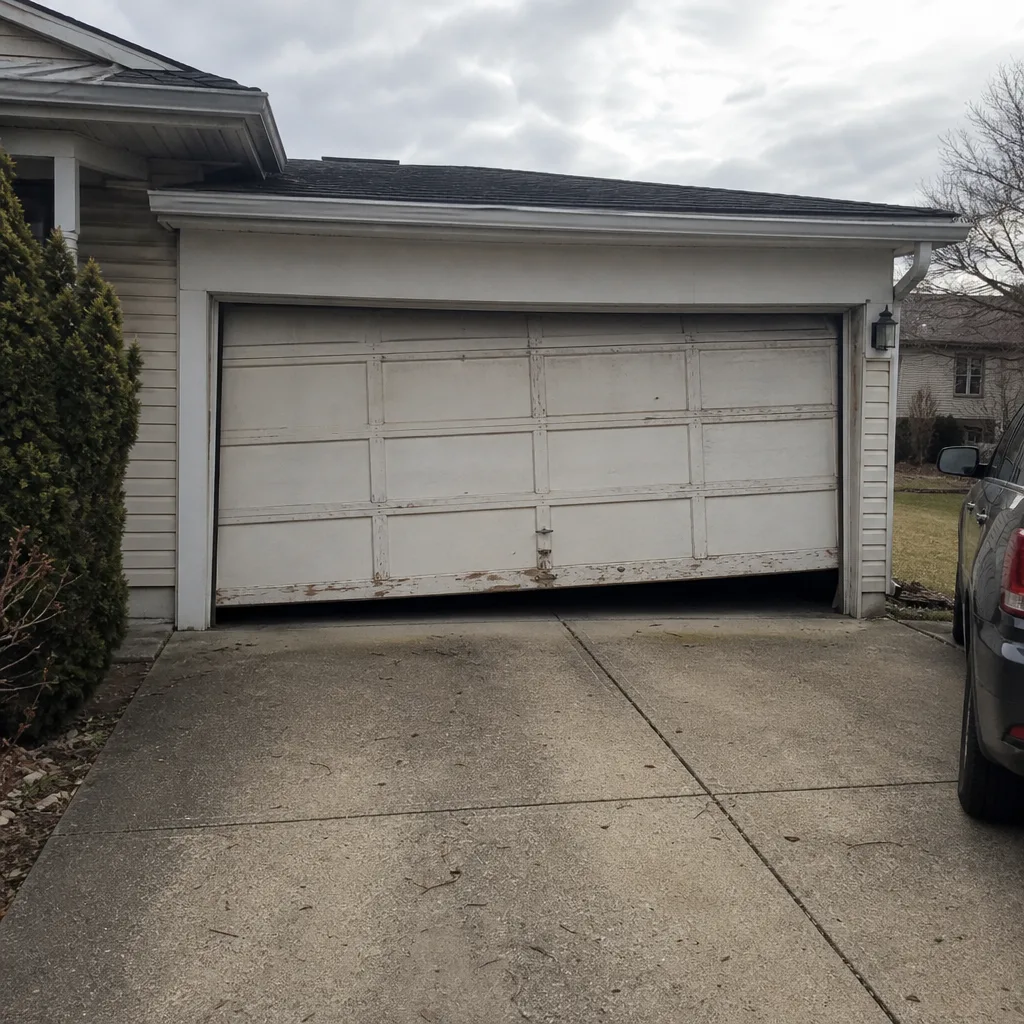 Before
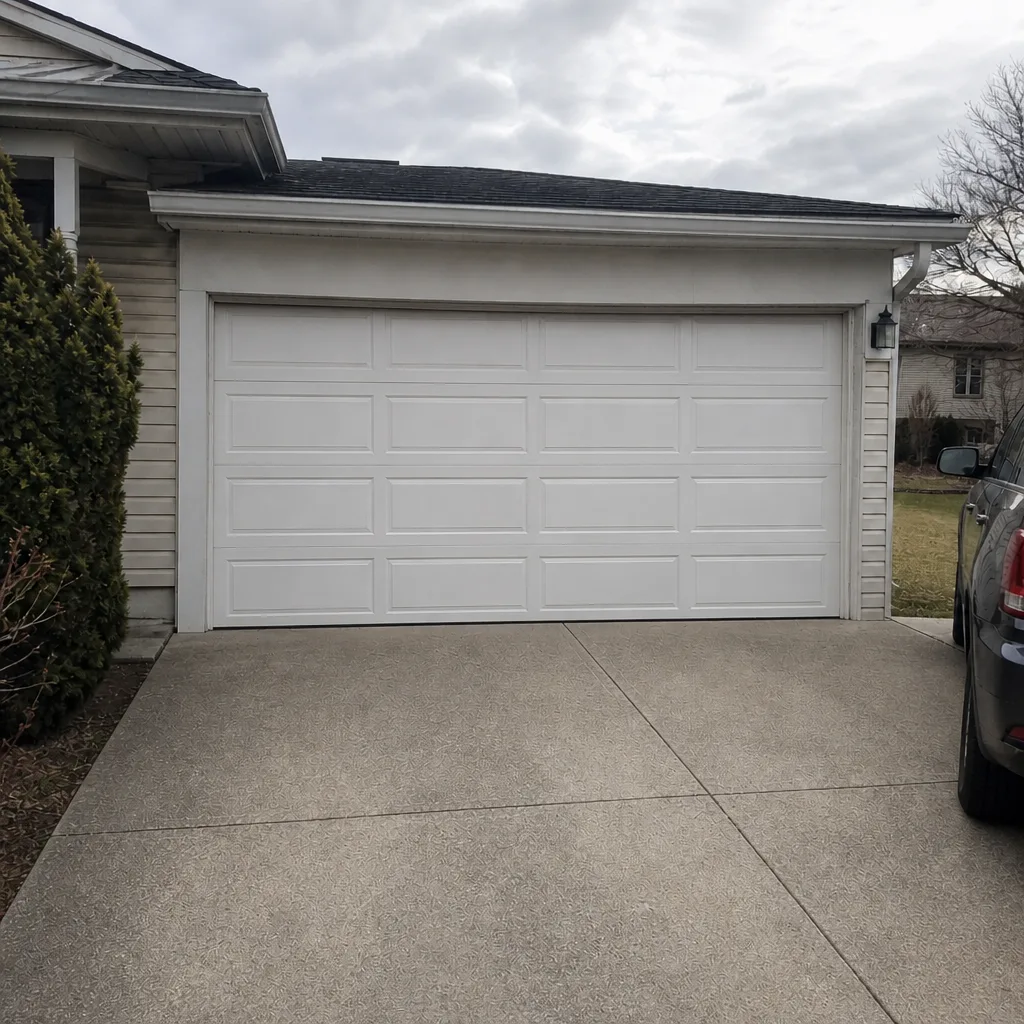 After
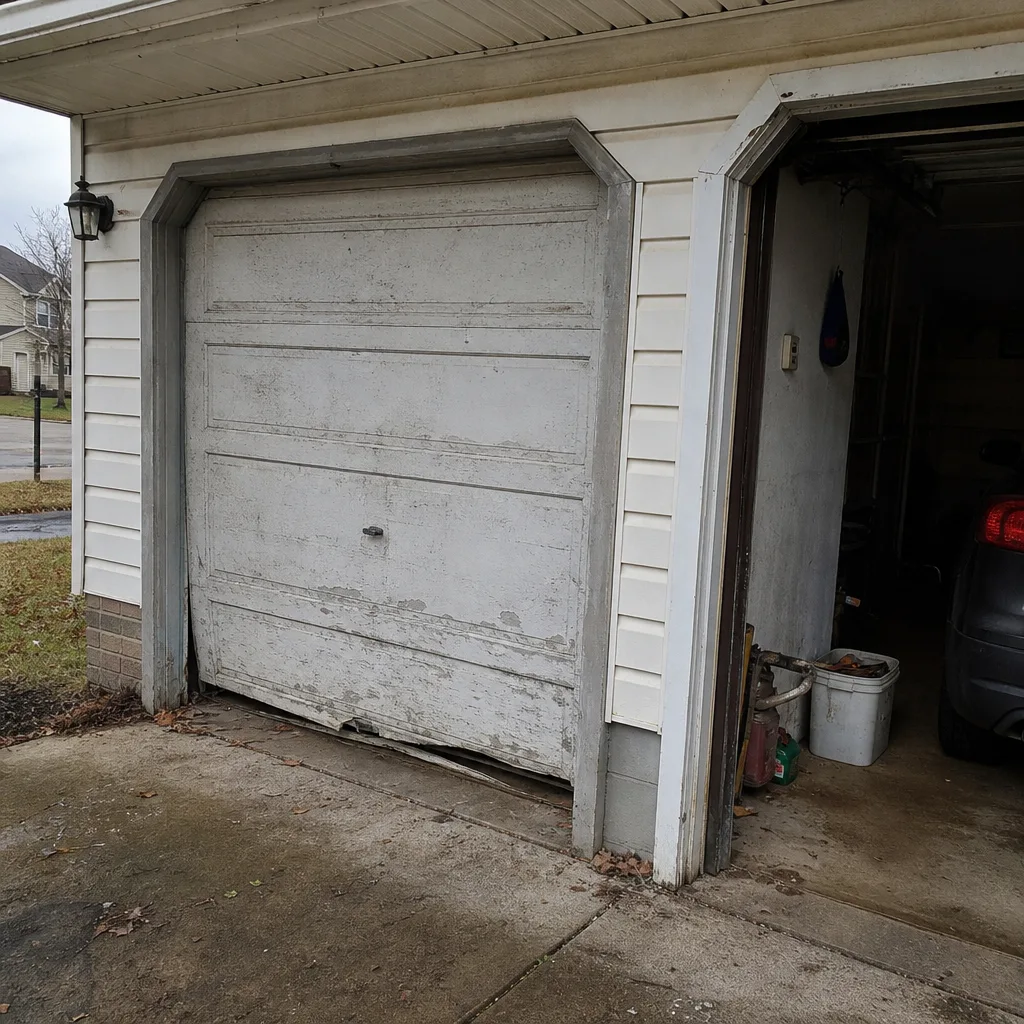 Before
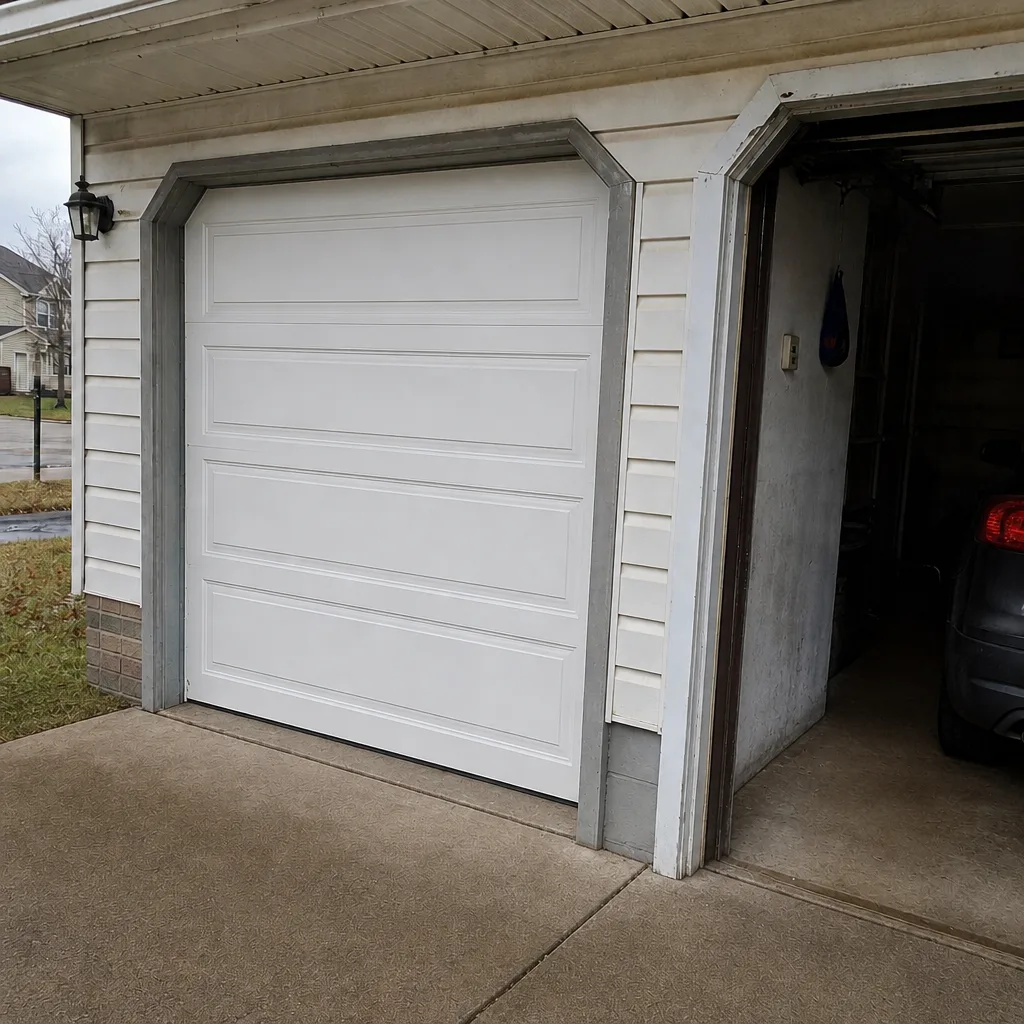 After
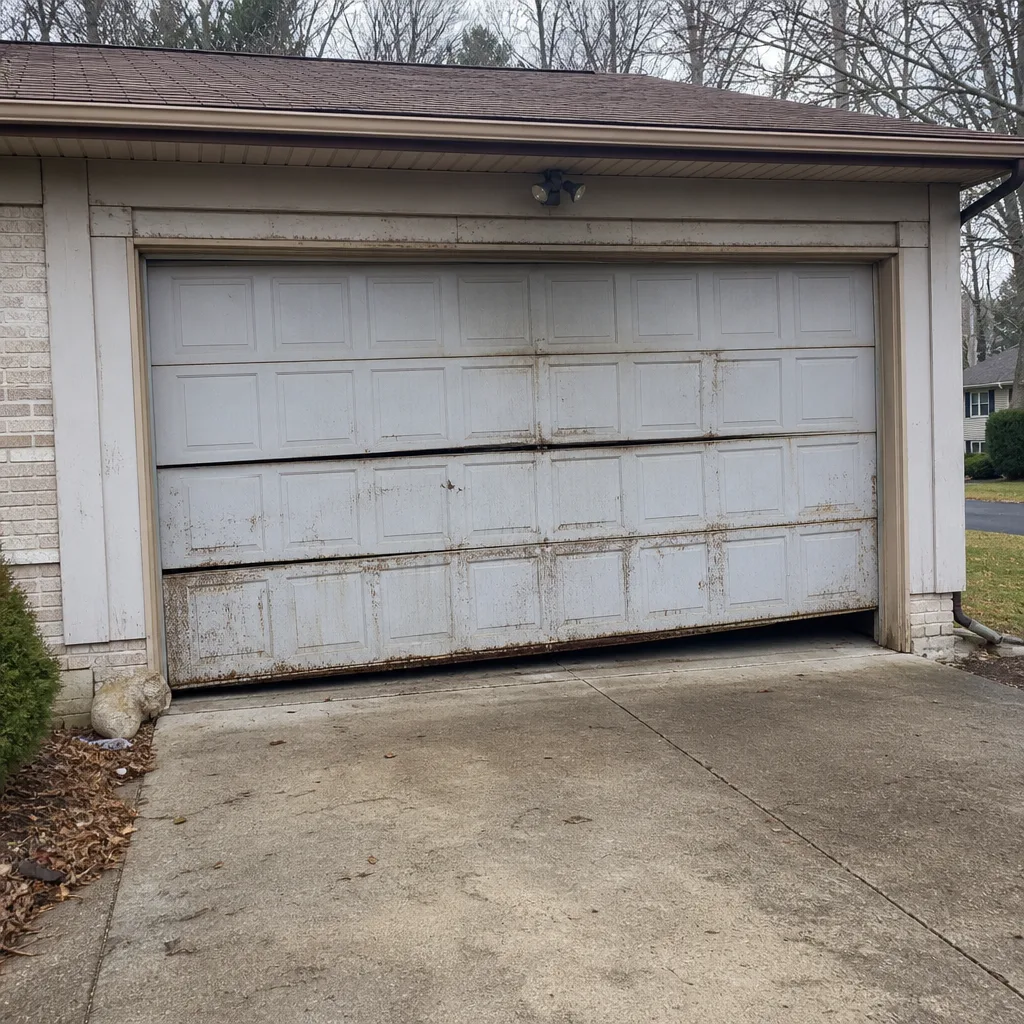 Before
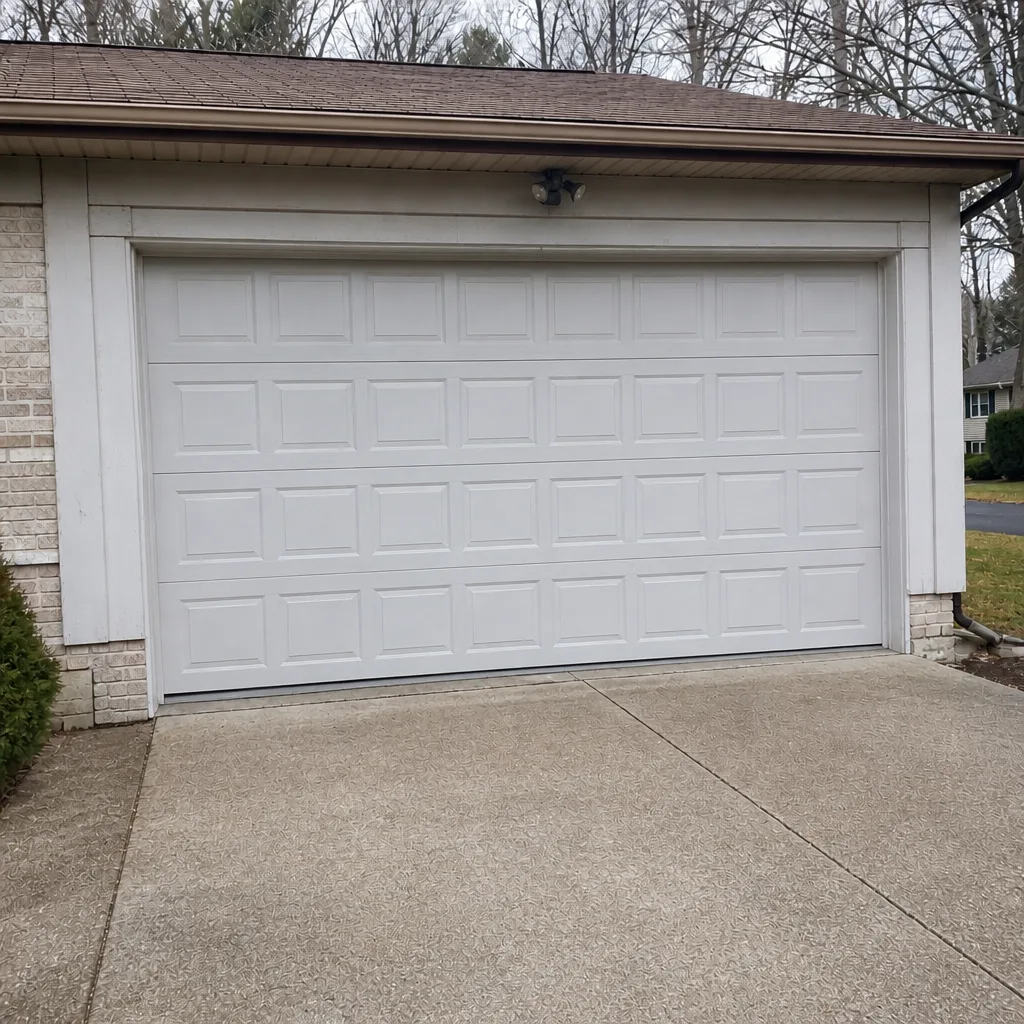 After
When to Call a Professional
Call for service if the door won’t lift, won’t close, or has moved off its tracks. Call if a spring has snapped – even if you can manually lift the door, the counterbalance is gone and continuing to use it damages the opener and the door. Call if the safety reverse fails the 2×4 test, if the door lifts slowly or unevenly, or if the opener makes a grinding noise it didn’t make last month. And call if you’re not sure whether it’s safe to run the door – the answer is almost always to stop and ask. Garage Door Repair Cranberry offers free estimates in Cranberry Township – call (855) 658-4219. Our technicians have up to 14 years of experience, and emergency service is a real same-day offering, not a queue.
Frequently Asked Questions
Stop using the door immediately and call for service – don’t try to lift, wind, or inspect the broken spring yourself. A snapped spring removes the counterbalance, making the door dead weight and the remaining hardware unstable. If you need your car out, use the manual release carefully per the steps in this guide, with help if the door is heavy. Call (855) 658-4219 for emergency service.
Yes – emergency service is a genuine offering, not a promise, and we treat stuck doors and trapped cars as priority calls. When you call (855) 658-4219, the more information you give (door brand, symptom, whether you’ve tried the release), the faster we can dispatch with the right parts. Response is built for the day you call.
Only if the door and springs are working and the failure is purely in the opener – confirmed by the manual-release test. If the door itself feels heavy, drops, or binds, don’t force it. That means the door, not the opener, is the problem, and forcing it turns a manageable repair into a larger one. Call (855) 658-4219 if you’re unsure.
Use the manual release to close it by hand if the door is otherwise sound, and re-engage the opener in the morning. Never tape over or disable the safety sensors to force a close – that’s the one shortcut that creates a worse problem than the one you started with. If the door still won’t close, call (855) 658-4219 and we’ll schedule a repair.
Very likely, yes – a matched pair absorbs the same cycles and ages together. That’s why the standard approach is to replace both springs when one snaps. In Cranberry Township’s cold winters, spring fatigue moves faster, so the surviving spring may have less runway than you’d expect. Call (855) 658-4219 for a written estimate on a matched pair.
We work on the brand already on your garage: LiftMaster, Chamberlain, Genie, Craftsman for openers, and Clopay, Amarr, Wayne Dalton, Raynor for doors. That matters in an emergency because the technician arrives knowing the specific tolerances and parts of that model. Call (855) 658-4219 to confirm your model.
The Bottom Line
Almost every garage door emergency in Cranberry Township is one of five scenarios, and every one has a right first move. Stop operating the door when it fails. Use the manual release with both hands and controlled speed, not a yank. Secure the opening rather than disabling a safety system. And have your door brand, opener model, and symptom ready before you call, so the technician arrives with the right parts the first time. These few habits turn a derailed morning into a same-day fix. When the door won’t move, neither should your day – call (855) 658-4219 for a free estimate and emergency service in Cranberry Township.
Written by the team at Garage Door Repair Cranberry.