Last updated November 23, 2026
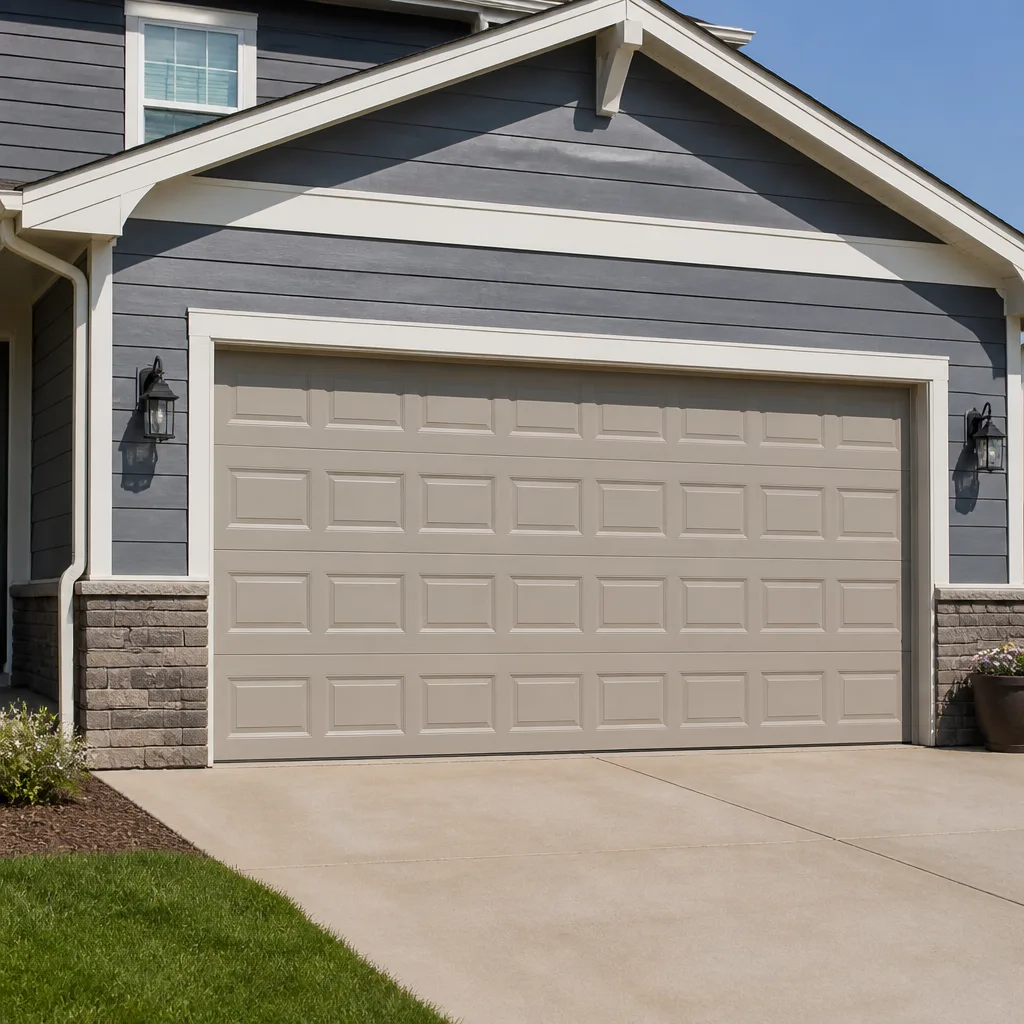 Raised-panel steel
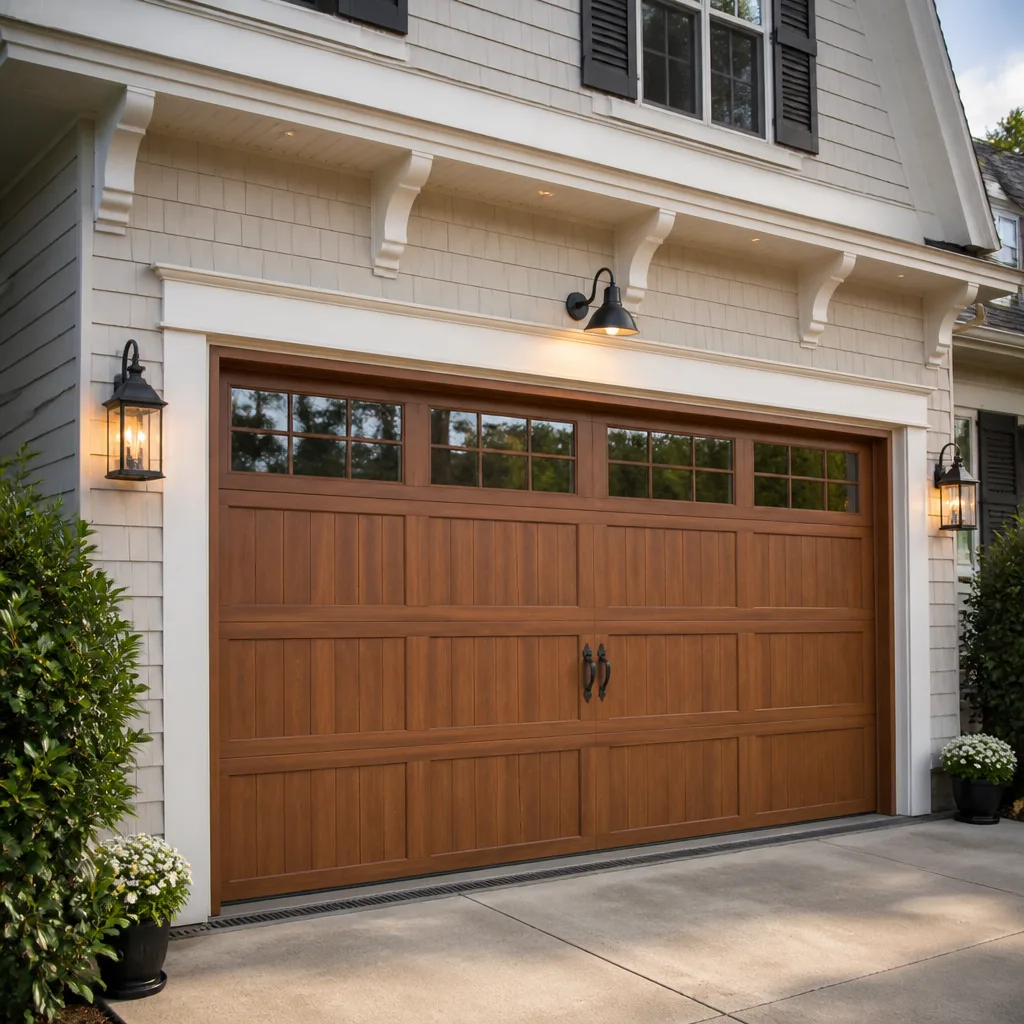
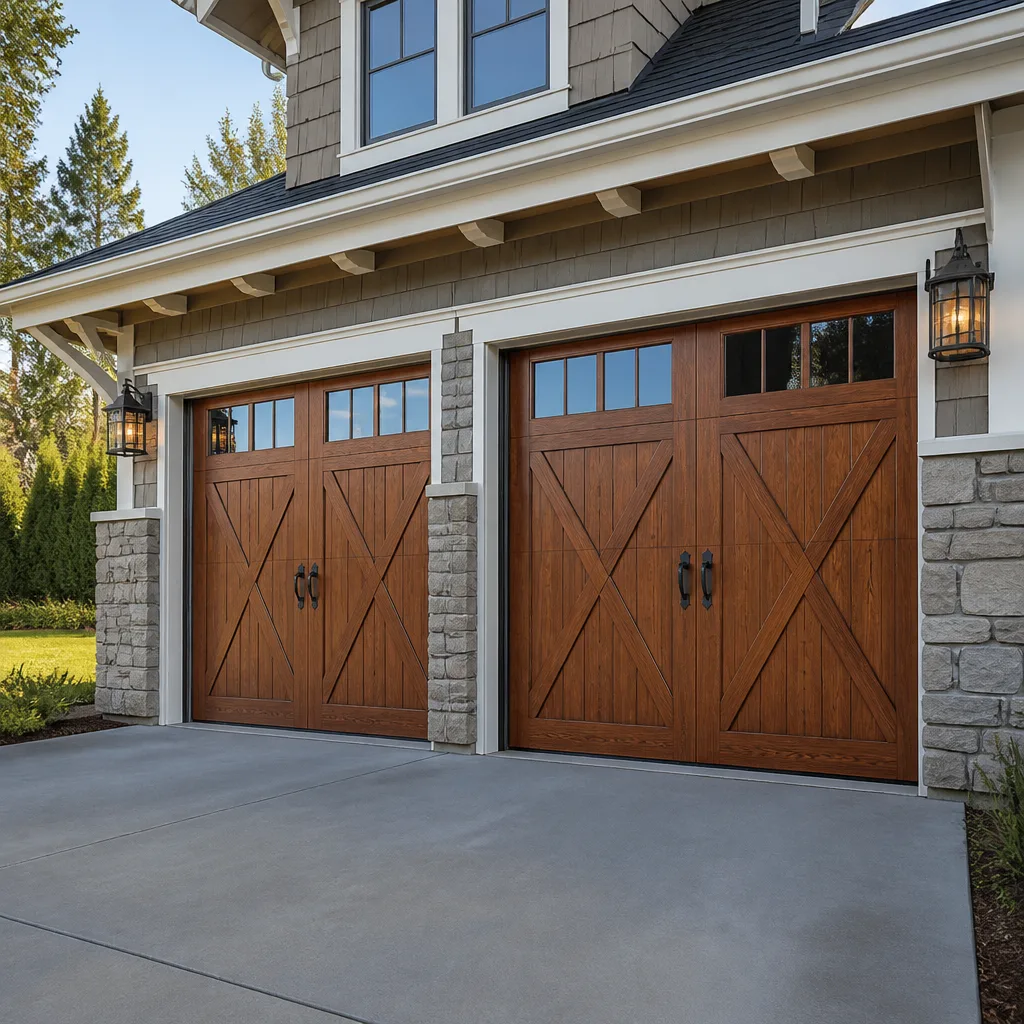 Carriage house
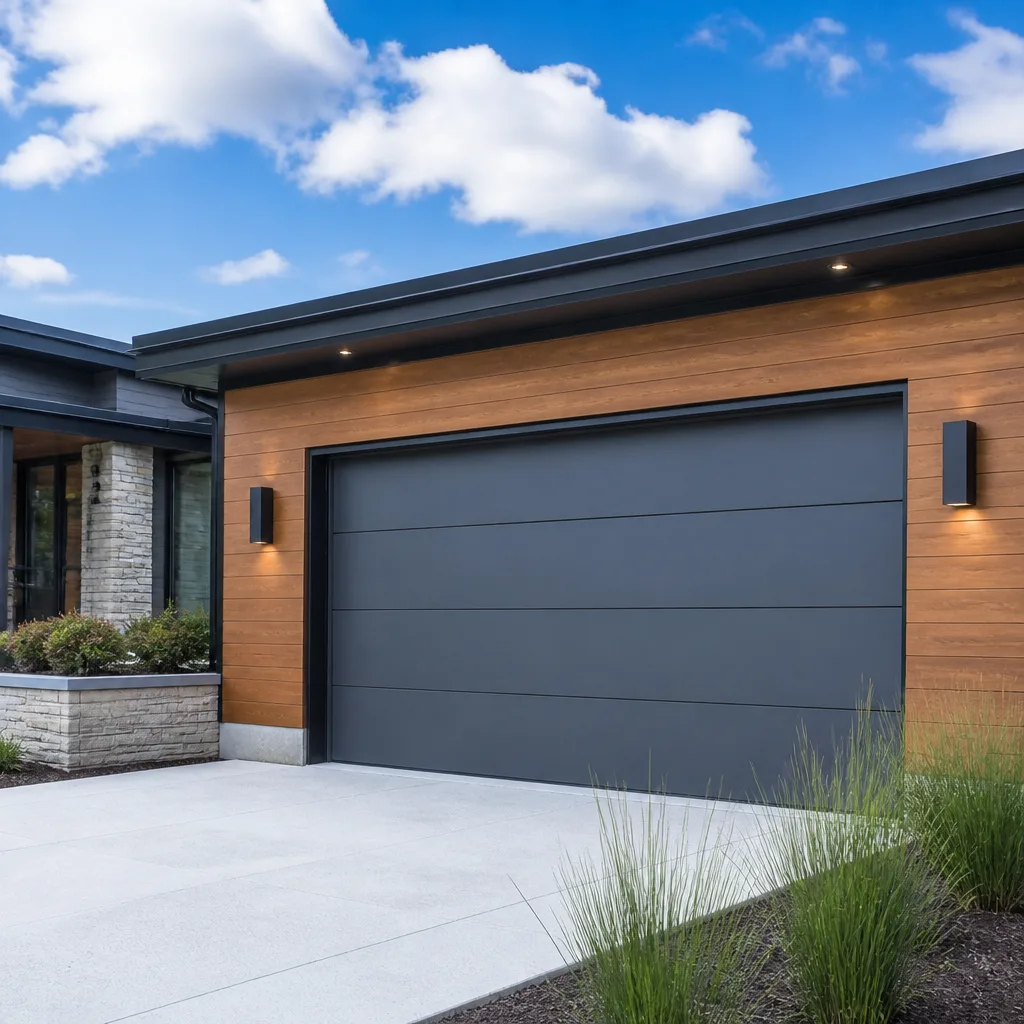 Modern flush
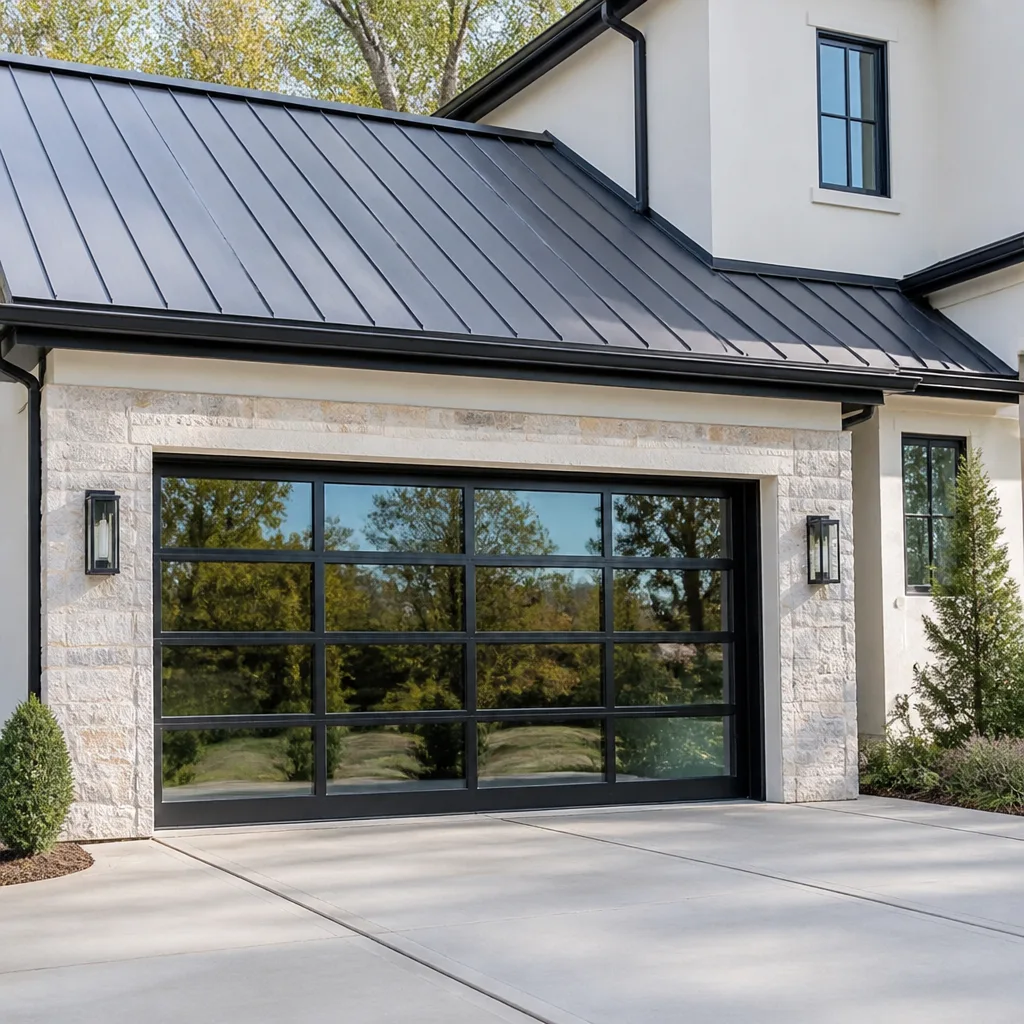 Full-view glass
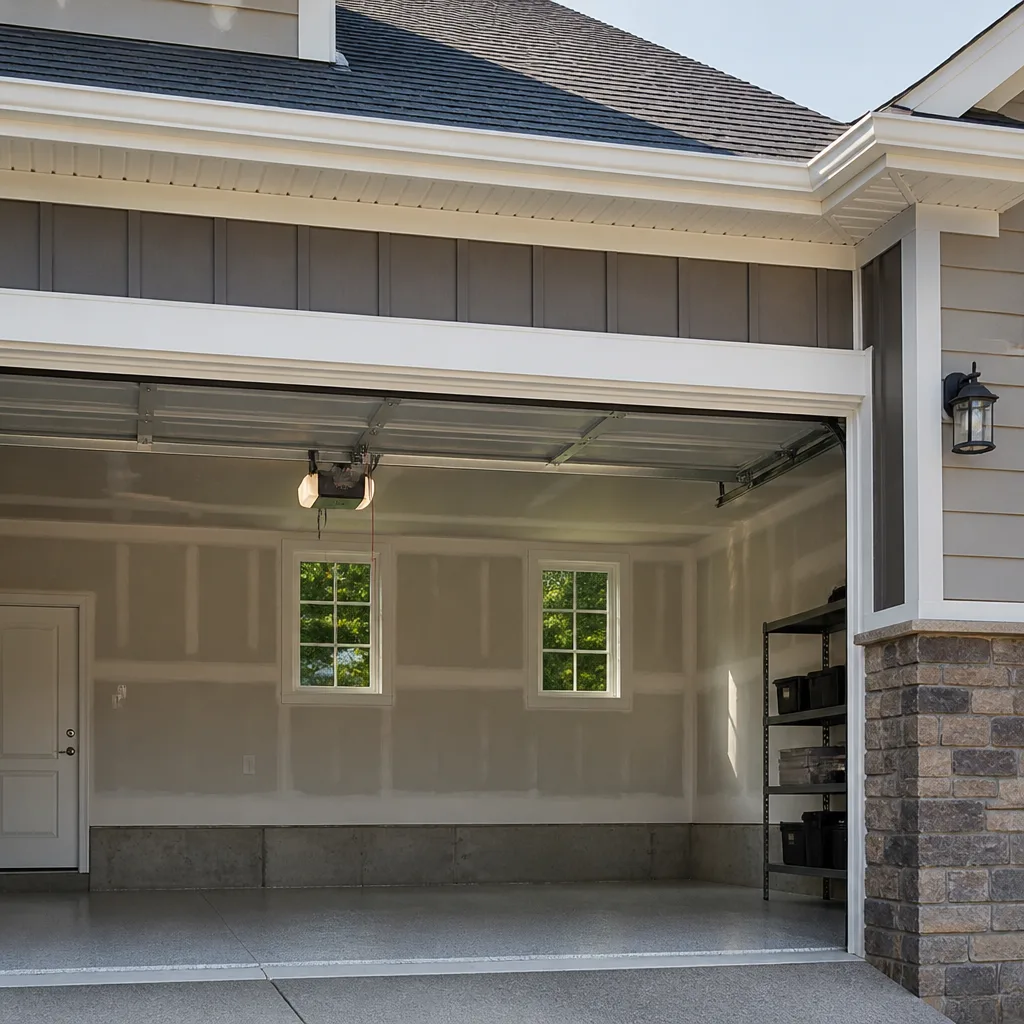 LiftMaster openers
 Chamberlain openers
Full 25-point door and opener safety check with every visit - springs, cables, rollers, tracks, and your LiftMaster or Chamberlain opener included
You get a price before we start. It does not change when the pro arrives.
Get your free estimateDIY vs Professional Garage Door: The Cranberry Township Homeowner’s Decision Guide
A torsion spring stores roughly 100 foot-pounds of torque. That’s not a scare tactic. It’s the reason the DIY math for garage door work looks nothing like the DIY math for painting a room. Painting goes wrong and you have a visible mess. A spring or cable let go under load and you have flying metal and a door that can drop. Here in Cranberry Township, where the garage is often the door everyone actually uses, the temptation to fix it yourself is real. This guide draws a clear line: which jobs are genuinely yours to do, which three are not negotiable, and why physics – not turf – sets that line.
Quick Answer
Yes, you can safely handle a handful of garage door jobs yourself: weatherstripping, safety-sensor alignment, lubrication, and minor panel dents. No, you should not touch torsion or extension springs, the lift cables, or a bent track – those carry stored energy or structural load that can injure you badly, and they belong to a trained professional. Everything in between comes down to the specific part and how much tension or weight is riding on it.
Styles & brands we work with
- Raised-panel steel
- Carriage house
- Modern flush
- Full-view glass
- LiftMaster openers
- Chamberlain openers
Table of Contents
- Why Garage Door Work Is Different: The Physics of Stored Energy
- What You Can Safely DIY in Cranberry Township
- The Three Jobs That Are Professional-Only
- DIY Parts vs Professional Labor: The Real Cost Comparison
- Pennsylvania Liability and Your Homeowners Insurance
- The Hidden Cost of a Botched DIY Repair
- How Cranberry Township Weather and Housing Shape the Decision
- A Simple Decision Framework
Why Garage Door Work Is Different: The Physics of Stored Energy
A garage door is the largest moving object in most homes, and it’s balanced by springs that hold it in tension constantly – even when the door is closed and doing nothing. A standard torsion spring around a center shaft is wound tight on purpose. That stored energy is what makes a 200-pound door feel like it weighs ten pounds in your hand. It’s also what makes a spring dangerous: when the metal fails, that energy releases all at once, and it doesn’t wait for you to step back.
Extension springs run along the sides above the tracks and behave differently but carry the same basic hazard. They also need a safety containment approach; if a spring of that type snaps, it can whip. This is why you’ll notice that the springs themselves are the one part of the system no responsible manual encourages you to wind by hand.
Cranberry Township homes sit in a climate with hard freeze-thaw swings through winter, which is rough on springs, cables, and the seals around the door. A stretch of single-digit nights followed by a thaw is the kind of cycle that finds the weak point in aged metal. That’s not a reason to panic. It’s a reason to know which parts you leave to someone with the training and the winding bars.
The line here is physical, not about skill or pride. Tasks that involve no stored energy and no load are yours. Tasks where a mistake releases force you can’t stop are not.
What You Can Safely DIY in Cranberry Township
These four jobs are genuinely homeowner-appropriate. None of them puts you in the path of stored spring energy or structural weight, and a careful homeowner can do each one with basic tools and a little patience.
- Weatherstripping replacement. The rubber or vinyl seal along the bottom of the door and around the frame keeps out cold air, water, and pests. If you can see daylight under the closed door or the seal is cracked and stiff, it’s a straightforward swap. You cut the old strip out of its retainer and press in the new one. This matters more in Cranberry Township than in milder climates, because a worn seal lets cold air and meltwater drive in.
- Safety-sensor alignment. The two small photo-eye sensors near the floor on each side of the door need to see each other. If the door reverses on its way down or won’t close, a bumped sensor or a cobweb across the lens is often the cause. You realign the bracket, wipe the lens, and check that the indicator lights on both units are steady.
- Lubrication. A few drops of a proper garage door lubricant on the rollers, hinges, and the length of the torsion spring (never on the tracks themselves) keeps things quiet and reduces wear. Do this a couple of times a year and you’ll notice the difference in how the door moves.
- Minor panel dents. A shallow cosmetic dent in a steel panel from a stray ball or a bumped bin can sometimes be worked out from behind with a soft mallet and a block. If the dent has creased the panel or the door no longer sits flush, stop – that’s a structural question now.
Anything that has you standing on a ladder reaching over your head toward a wound spring, a cable under tension, or a track that’s out of plumb is a different category. Keep reading before you pick up a tool for those.
The Three Jobs That Are Professional-Only
We’ve seen the results of homeowners attempting each of these, and the reason to call isn’t that we want the work. It’s that each one has a specific failure mode you can’t control once it starts.
1. Spring Replacement
A torsion spring has to be de-tensioned before removal and wound to an exact number of turns when the new one goes on. Do it wrong and the spring can release while your hands are on the winding bars. Extension springs carry their own risk from stored energy and need proper containment. This is the job that most commonly turns into an injury, and it’s why spring work is a core part of what we do rather than an afterthought. If your door slams down or won’t lift, that’s a sign to stop using it and garage door spring repair is the call to make.
2. Cable Replacement
Cables are what connect the spring tension to the bottom of the door, running through pulleys under real load. A cable that’s frayed, kinked, or has slipped off a drum means the door is being held unevenly. Cutting or re-routing a cable with the springs still wound is genuinely dangerous – the tension has to be released first, in the right order. A cable failure can also let the door drop on one side, which warps panels and bends track.
3. Track Realignment
Track that’s bent, out of plumb, or knocked loose from its brackets changes how the rollers travel. A door that’s misaligned will bind, and every cycle grinds the rollers and stresses the panels. Straightening track that’s under the weight of a door requires supporting the door, adjusting the brackets, and checking the whole path – not something to muscle into place with the door hanging on it.
If any of these three is your problem, a trained technician handles it safely and gets it right the first time. That’s the whole point.
DIY Parts vs Professional Labor: The Real Cost Comparison
This is where a lot of guides put a thumb on the scale and tell you the pro is always cheaper. It isn’t always cheaper in pure dollar terms – but the honest comparison has to include what can go wrong, because that’s a real cost, not a sales pitch. Here’s how the two sides stack up for the most common repairs.
| Repair | DIY path | Professional path | What the DIY number leaves out |
|---|---|---|---|
| Weatherstripping | Low parts cost, a couple hours of your time | Small flat job a pro finishes quickly | Nothing much – this one is genuinely a good DIY |
| Safety sensors | Free to align; a replacement sensor is a modest part | Usually a quick diagnostic visit | Little risk here if the wiring is intact |
| Torsion or extension spring (one spring) | Parts only, but the winding is the hazard | Typical $180 – $340 for a single spring, with the written estimate setting the price | The risk of injury, and a wrong-tension spring that wears out fast |
| Cable set | Parts only, with the tension-release hazard | Quoted per door after we see it | Uneven load that can drop or warp the door |
| Track realignment | Parts and brackets only | Quoted after inspection | Binding rollers and panel damage that compounds |
| Opener repair | A part, if you guess right | Diagnosed on-site, priced before work | Buying the wrong board or traveler for your model |
Note one thing about spring pricing: a matched pair is usually replaced together, and a pair runs about twice a single-spring figure. That’s not a markup – it’s two springs. If one has failed, the other is the same age and has seen the same cycles.
The point isn’t that DIY is always a mistake. It’s that for the safe four, the math favors you, and for the dangerous three, the DIY number is missing the biggest possible cost. When you want a number before you decide, we quote and agree the price before any work starts – that’s the rule, not a favor.
Pennsylvania Liability and Your Homeowners Insurance
Here’s a question that doesn’t come up in most DIY-versus-pro articles: what happens if a self-performed repair fails and someone gets hurt, or the garage becomes the weak point on your policy? Pennsylvania follows a comparative-negligence rule for personal injury, which in plain terms means fault can be shared and sorted out after an injury rather than falling cleanly on one party. If a door or an opener you modified injures a family member or a visitor, that can get complicated fast.
The safer habit is to look at your own policy and confirm what your homeowners coverage actually says about structural garage-door work and about do-it-yourself modifications. We aren’t insurance advisors, and we won’t pretend to quote a policy. But we can tell you that documented, professional work is easier to stand behind than a repair with no record. If a claim ever touches the garage, a receipt showing a licensed, insured professional did the work is a cleaner story than a note that you did it yourself.
The same logic applies to permits. Most cities require a permit for structural changes, and whether a garage door replacement counts depends on your local building department – so ask them directly rather than guessing. A pro who does this work regularly will point you to that question as a matter of course.
The Hidden Cost of a Botched DIY Repair
A partial fix that seems to work is the most expensive kind. Here’s the pattern we see in our experience: a homeowner replaces a single spring without matching it to the other, or installs a part that’s close but not the right one for the model. The door moves, so the job looks done. Weeks later the imbalance has been working on the other spring, the cables, and the rollers every single time the door opens.
What was a single-part repair turns into a multi-part one. The original fix – call it an inexpensive parts job – becomes something several times that once the cables and rollers and the second spring all need attention at once. That’s how a modest job turns into a much bigger one.
The same thing happens with openers. A generic part that’s almost right for a LiftMaster or a Craftsman unit can force the motor and the logic board to work harder, and the failure shows up later in a place you weren’t looking. When the parts match the model, the system stays balanced. This is why, when we show up, we’re working on the brand already on your garage – LiftMaster, Chamberlain, Genie, Craftsman, Clopay, Amarr, Wayne Dalton, or Raynor – with the parts built for that specific system, not a generic substitute.
None of this is meant to shame a homeowner who tried. It’s meant to explain why a small wrong turn near a spring or an opener can cost more than the repair would have.
How Cranberry Township Weather and Housing Shape the Decision
The climate in Cranberry Township is the kind that tests a garage door. Cold winters with real freeze-thaw swings, humid summers, and the usual swing of Pennsylvania seasons all act on the same parts. Springs take the temperature swings, weatherstripping dries and cracks, and the seal along the bottom becomes the front line against cold air and meltwater every winter.
Housing stock matters too. A lot of Cranberry Township homes have attached garages where the door is the daily entry point – people come and go through it more than the front door. That extra cycle count adds up, and it makes maintenance more than a springtime chore. The more a door runs, the sooner its springs and rollers wear, and the more a small imbalance matters.
Practically, that means your safe DIY list skews toward weatherstripping and lubrication more often here than in a mild climate. Seal replacement early in the fall pays you back through the winter. And it means that when a door starts feeling heavy or noisy, it’s worth taking seriously rather than waiting for it to fail outright. Catching wear early is the cheapest possible outcome.
For a quick sanity check on your own door, run this sequence once a month:
- Open and close the door and listen for grinding, popping, or a rattle that wasn’t there before.
- Pull the manual release and lift the door by hand – it should move with modest effort and stay put around halfway up.
- Look along the bottom seal for daylight, cracks, or a gap when the door is closed.
- Check that both safety sensors show a steady light.
- Look at the springs and cables for visible gaps, fraying, or a sagging door – and if you see any of those, stop and call rather than test it further.
That five-minute routine tells you whether a job is in your DIY column or a professional one. It also means an emergency visit is less likely to be a surprise.
A Simple Decision Framework
If you want one rule to carry away, use this: if the job involves stored energy or structural weight, it’s professional work; if it involves a seal, a sensor, lubricant, or a cosmetic dent, it’s yours. Everything else falls in between, and the tie-breaker is whether a mistake would release force or damage a load-bearing part.
When in doubt, the safe call is always the free one – an inspection and an estimate. When your door won’t move, neither should your day, and that’s exactly the moment to pick up the phone instead of picking up a wrench. Our technicians have up to 14 years of experience, we handle everything from a snapped spring to a full new-door installation, and emergency garage door service is a real offering rather than a vague promise. If you’re facing a repair, you can reach us for garage door repair or garage door opener repair – one company covers the whole door lifecycle, from opener remote to full door replacement.
Common Mistakes to Avoid
- Winding a spring without the right winding bars. Screwdrivers and pliers aren’t tools made for the job and can slip while the tension is live. If the task needs someone to reach over a spring with bars, it’s not a DIY job.
- Replacing one spring and leaving its partner. A matched pair is usually replaced together because both have seen the same cycles. A single new spring on a tired pair throws the door out of balance and can accelerate wear on the other side.
- Forgetting about the weatherstripping until midwinter. In Cranberry Township, a worn bottom seal lets meltwater and cold air drive into the garage all season. Replace it before the first hard freeze rather than after.
- Buying an opener part that’s close but not right for the model. A traveler or logic board that fits a nearby model can still be wrong for a LiftMaster, Chamberlain, Genie, or Craftsman unit – and the difference doesn’t always show until a week later.
- Greasing the tracks. Lubricant belongs on the rollers, hinges, and spring, not the travel surfaces of the tracks. Grease in the track collects grit and makes the door bind.
- Assuming a permit is or isn’t needed without asking. Requirements vary by building department, so confirm with Cranberry Township’s before a structural change rather than guessing either way.
- Handing minor “adjustment” work to a general handyman. A door that’s out of plumb or mis-tensioned needs someone who knows garage doors specifically, because the fix involves load and balance, not just a wrench.
See the difference
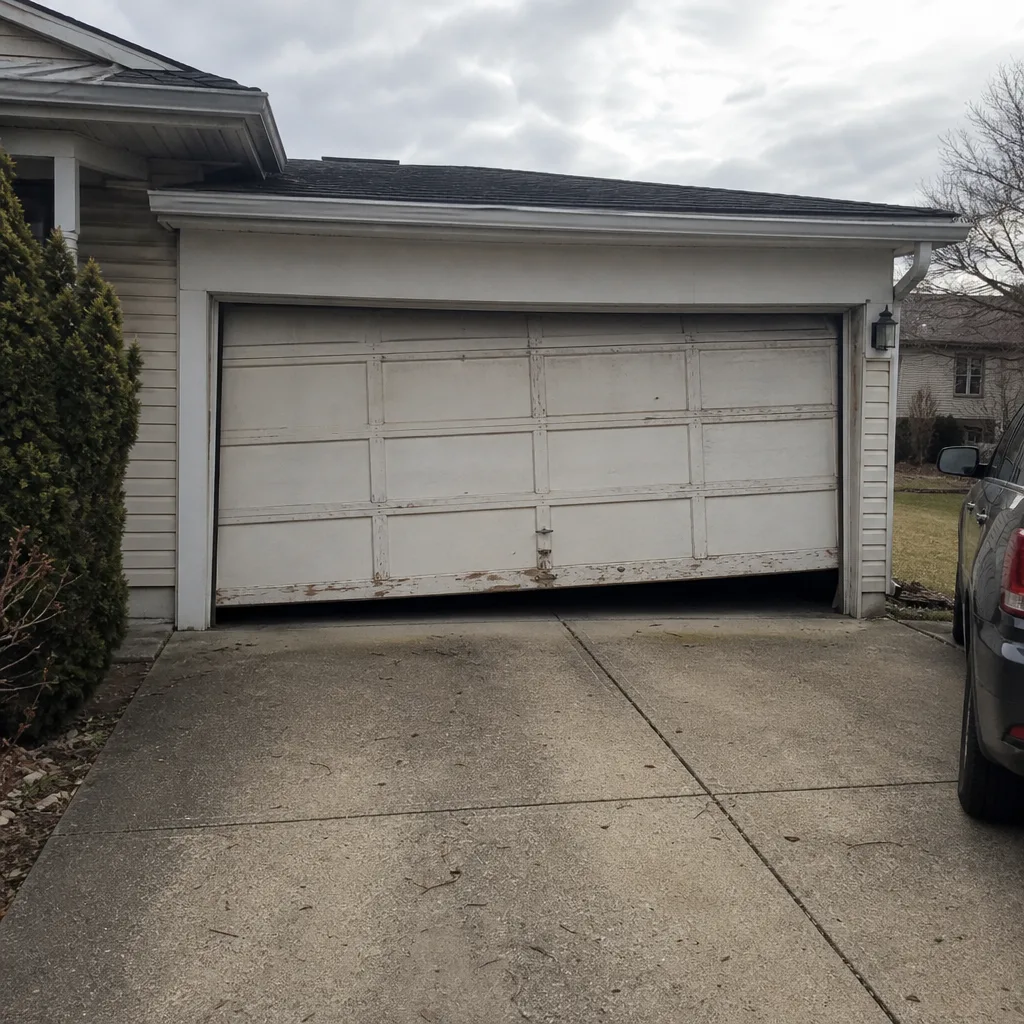 Before
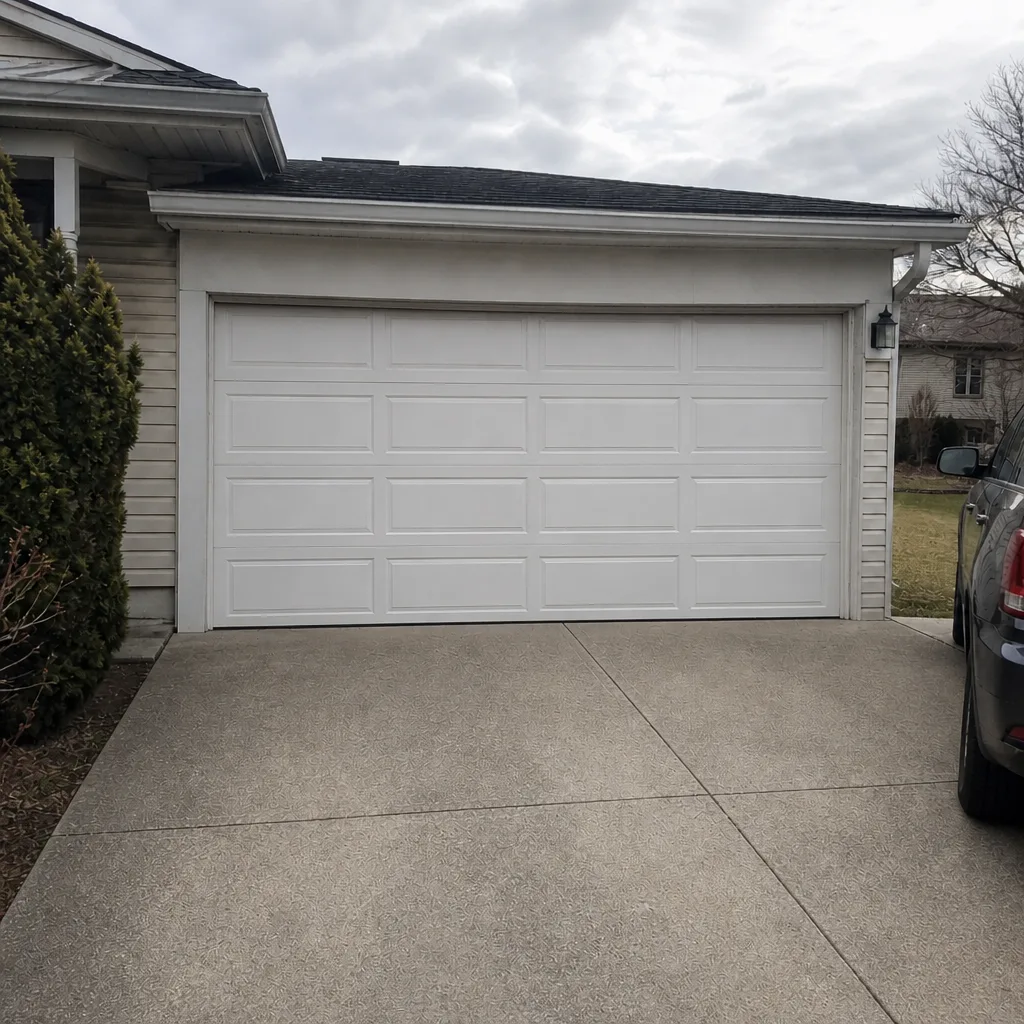 After
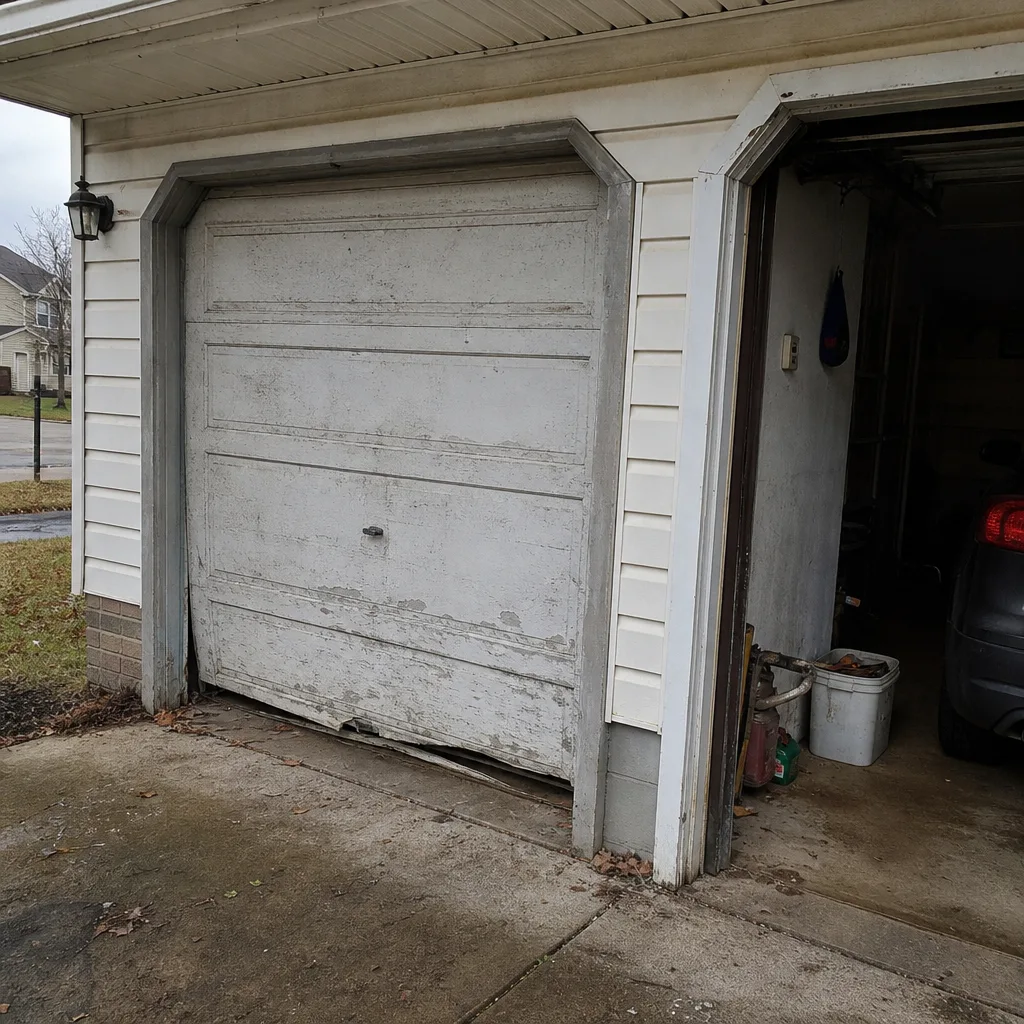 Before
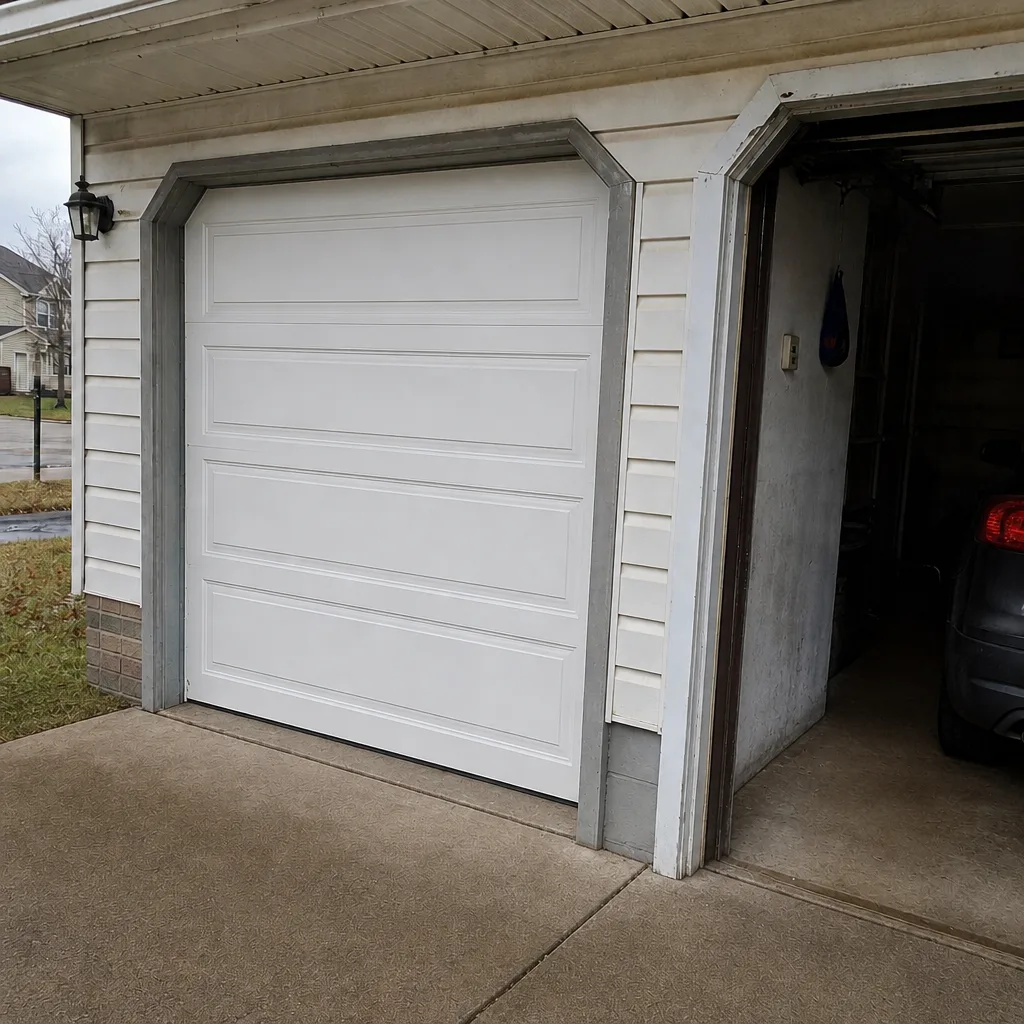 After
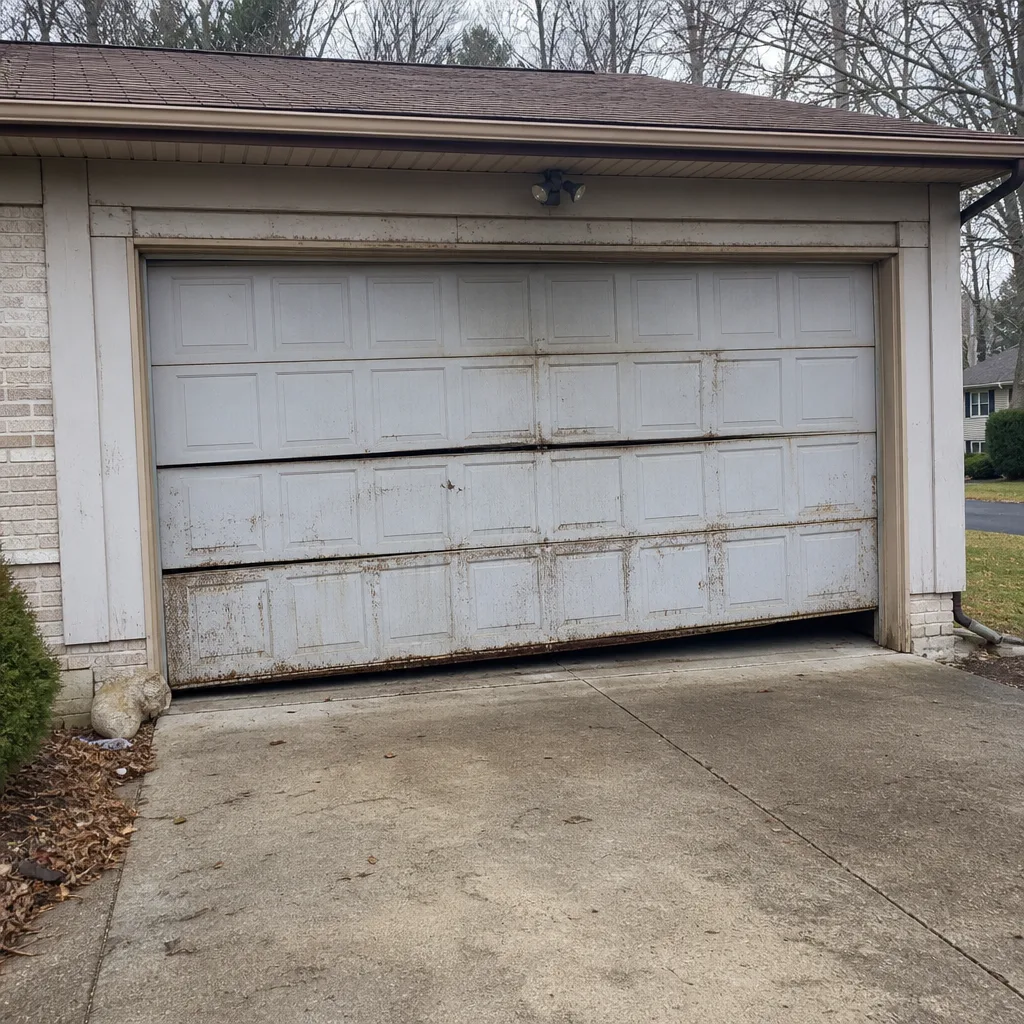 Before
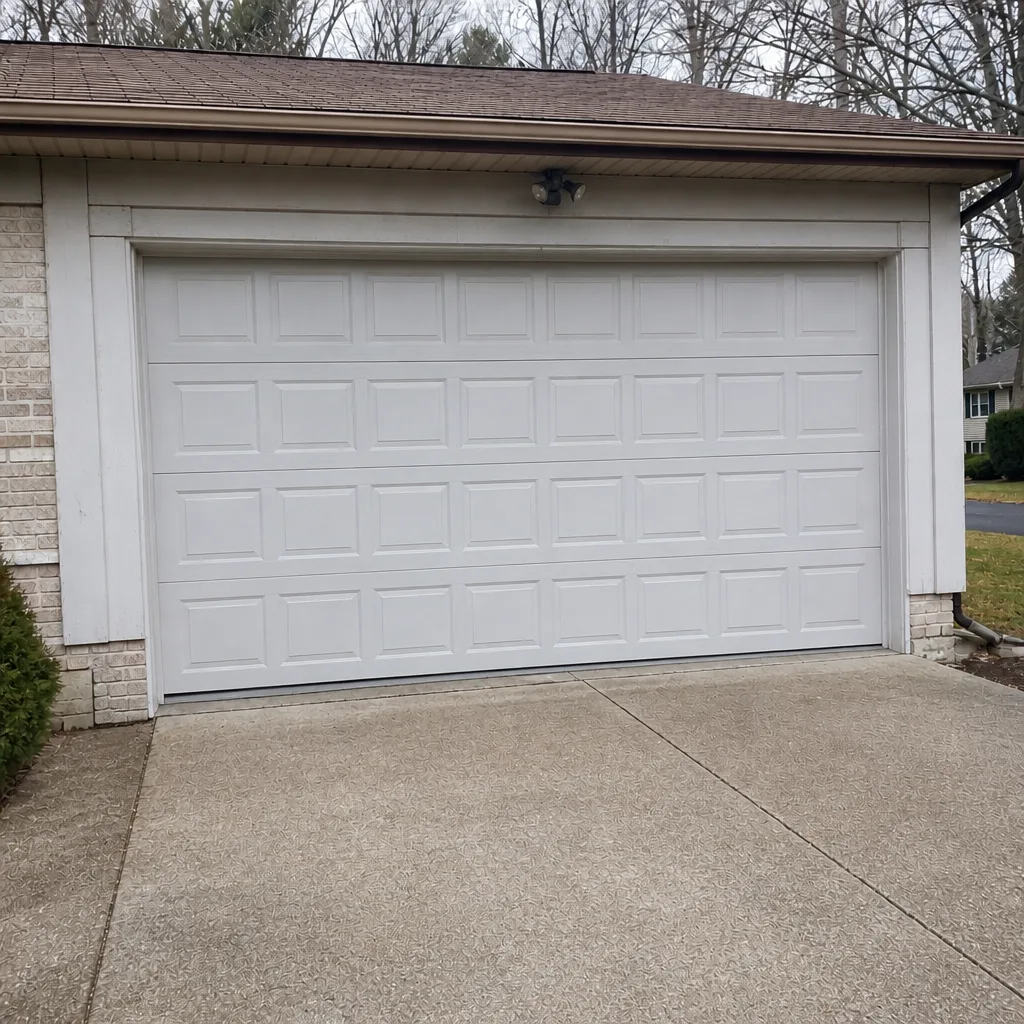 After
When to Call a Professional
Call a professional if you see a visible gap in a spring, your door won’t lift or slams down, a cable is frayed or off its drum, the door sits crooked, the track is bent, or an opener reverses or stops responding to a door that used to work. Call if you’re unsure. There’s no penalty for asking and a real risk in guessing near a loaded spring or a hanging door. Even the safe DIY tasks sometimes reveal something worse once you’re up close – a cracked bracket, a worn roller, a hinge that’s pulling loose. That’s a good time to get eyes on the whole system. Garage Door Repair Cranberry offers free estimates in Cranberry Township – call (855) 658-4219.
Frequently Asked Questions
No – spring replacement should always be done by a trained professional because of the stored energy in a wound spring. A torsion spring must be de-tensioned and re-wound to an exact number of turns, and a mistake can release that force instantly. It’s the single most hazardous common garage door job, and it’s worth handing to someone who does it every week.
Torsion spring repair in the Cranberry Township area typically runs about $180 – $340 for a single spring, and a matched pair costs about twice that since both springs are usually replaced together. The written estimate sets the final price, and we quote and agree it before any work starts. Call (855) 658-4219 for an exact quote – estimates are free.
No – if a spring has snapped, stop using the door entirely. A door with a failed spring is being held by whatever is left, and an opener pushing a door it isn’t balanced against can cause the door to drop or the opener to fail. Keep the door closed and call for garage door spring repair before cycling it again.
For seals, sensors, and light adjustments, possibly – but springs, cables, and track realignment need someone who specializes in garage doors. Those jobs involve stored tension and structural load, and a generalist who doesn’t work on doors regularly can get the tension or alignment wrong without realizing it. A dedicated specialist is the safer call for the dangerous three.
No – we quote and agree the price before any work starts, and that written estimate is the price. The inspection is what tells us what’s actually involved, so the number you get reflects the real job, not a guess. If something unexpected turns up once we’re in, we talk it through before doing anything.
Possibly – it depends on your local building department’s rules, so check with them directly before a structural change or a full replacement. We don’t quote permit rules as fact because they vary, but we’ll point you to the right question to ask. For a repair like a spring or an opener, permitting usually isn’t the issue, but confirm with the township if you’re unsure.
Weatherstripping replacement and safety-sensor alignment are the two safest DIY jobs, followed by lubrication and minor cosmetic panel dents. None of them involve stored spring energy or structural weight, and each can be done with basic tools. If a “small” job turns out to involve the spring, cable, or track, that’s the moment to stop and call.
It depends on the door and how much it’s used, but unmaintained springs and rollers wear faster, and seals crack sooner. In a Cranberry Township climate with hard winters, a little routine care goes a long way. Regular lubrication and a watchful eye on the seal are the cheapest ways to extend the life of the whole system.
The Bottom Line
The DIY-versus-pro question has a real answer, and it comes from physics. Handle your weatherstripping, sensor alignment, lubrication, and small dents – those are yours, and they save you money. Leave springs, cables, and track realignment to a trained professional, because those three release force or carry structural weight and no saved labor cost outweighs an injury or a cascading failure. The hidden cost of a partial fix is the thing most DIY guides skip: a small wrong repair often turns one part into several. Here in Cranberry Township, with our freeze-thaw winters and garages that serve as daily entries, a specialist who knows the brand on your door matters. If you’re not sure which column your job falls in, call (855) 658-4219 for a free estimate.
Whether it’s a snapped spring, an opener that won’t respond, or a door that won’t secure, we’re here for the whole door lifecycle – repair, openers, springs, and installation. Call (855) 658-4219 for a free estimate and a written price agreed before any work begins. Garage Door Repair Cranberry is ready to help.
Written by the team at Garage Door Repair Cranberry.